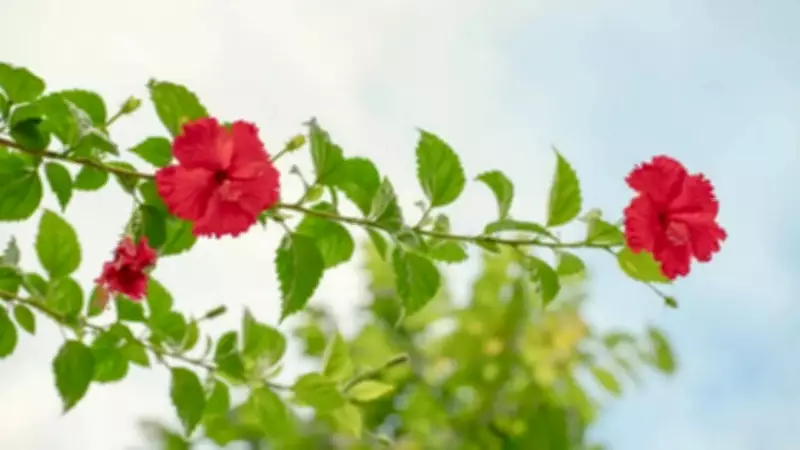
The hibiscus is one of the most decorative flowering plants widely found in household gardens, balconies, and terraces. These attractive tropical plants are great for decorating any outdoor space with color and freshness. However, a typical problem with these flowers is heavy blooming for about two weeks followed by a sudden stop. Factors influencing blooming include lighting, watering, pruning, soil quality, and seasonal stresses. Nevertheless, under proper care conditions, hibiscus can bloom almost throughout the year. Here are six easy tips to maintain your hibiscus flowering for a longer time.
Provide Sufficient Light
A sufficient amount of sunlight stimulates blooming in hibiscus. The ideal daily duration of exposure to sunlight is about five to six hours. Without enough sun rays, the plant will continue growing leaves but will not produce many flower buds. Morning light is particularly useful for maintaining good blooming while not overheating the plant. Open places, including balconies and terraces, serve as the best choice for the hibiscus plant.
Water Carefully Without Soaking Roots
It is crucial to understand that both overwatering and insufficient moisture affect blooming quality. Although hibiscus needs slightly wet soil, it cannot tolerate waterlogged soil due to the risk of root rot and falling flower buds. Check the upper layer of the soil before watering to maintain optimal moisture. Good drainage is critical, especially if the plant is kept in a pot.

Prune to Stimulate Fresh Branches
Regular pruning plays an essential role in continuous blooming. It involves cutting weak branches, dry stems, and faded flowers. This allows the plant to devote all its energy to producing fresh branches that usually contain more flower buds. Moderate and regular pruning improves airflow through the bush and helps sunlight penetrate inner layers.
Fertilize with the Right Nutrients
Regular fertilization is necessary for hibiscus due to its frequent blooming. The plant prefers fertilizers containing potassium and phosphorus rather than nitrogen. These are especially useful for increasing flower count. Some home gardeners use organic sources like compost or banana peel fertilizer to encourage natural blooming. Regular feeding during growth periods leads to greater flowering.
Protect from Pests and Diseases
Insects such as aphids, whiteflies, mealybugs, and spider mites often attack hibiscus and reduce blooming. Symptoms include curling leaves, sticky residue, and damaged flower buds. Periodic monitoring and treatment of affected areas prevent further damage. Improving airflow and ensuring proper lighting also help the plant resist pests.
Repot and Change Soil Periodically
After several years, the plant may outgrow its pot and the soil becomes depleted. Roots can no longer absorb nutrients, and drainage worsens. Changing the soil or repotting in a slightly larger pot every two years is beneficial. Proper soil with loose structure and adequate nutrients supports better growth.
Disclaimer: This article is for general informational and gardening purposes only. Plant growth and flowering may vary depending on climate, soil quality, sunlight, watering habits, and local environmental conditions. The tips shared are based on common gardening practices and may not guarantee year-round blooming in every region or season. Readers are advised to consult local gardening experts or nurseries for plant care guidance suited to their area and hibiscus variety.