

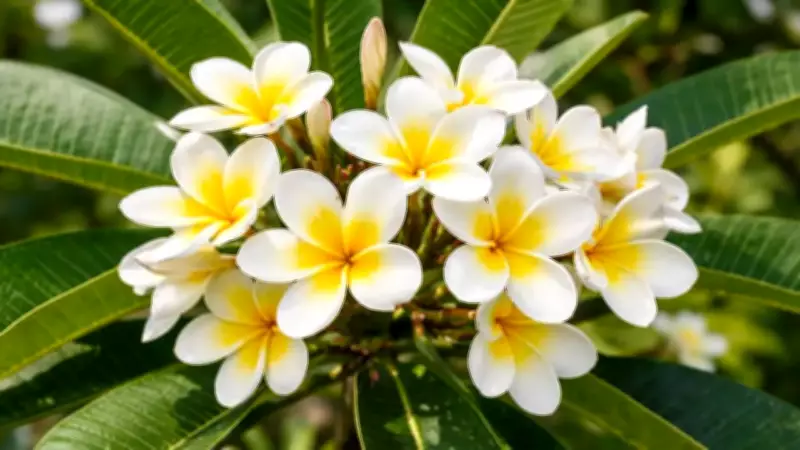
Complete Guide to Growing Fragrant Ketaki Flowers in Your Home Garden
The ketaki flower, commonly known as kewda, stands as a remarkably versatile and aromatic tropical plant that has gained significant popularity among gardening enthusiasts. With its distinctive sweet fragrance and multiple practical applications, this plant offers both aesthetic beauty and functional value for home gardeners seeking to enhance their green spaces.
Understanding the Ketaki Plant and Its Ideal Growing Conditions
Ketaki belongs to the pandanus family and thrives exceptionally well in warm, humid environments that mimic its native tropical habitat. Characterized by long, pointed leaves and highly fragrant flowers, this plant requires specific conditions to flourish optimally. The male ketaki plants produce the most potent scent, making them particularly desirable for cultivation purposes.
Key requirements for ketaki cultivation include:

- Partial to full sunlight exposure
- Adequate space for growth and root development
- Protection from shaded areas that limit sunlight
- Warm temperatures and humid atmospheric conditions
Proper positioning ensures the plant receives sufficient sunlight to stimulate flower production and maintain healthy growth patterns throughout its lifecycle.
Selecting Containers and Preparing Optimal Soil Mixtures
While ketaki can grow successfully in ground soil, container gardening offers practical advantages for urban dwellers and those with limited outdoor space. A large pot with adequate drainage holes proves essential for preventing water accumulation that could damage the plant's robust root system.
The ideal soil preparation involves:
- Creating a balanced mixture of garden soil, sand, and organic compost
- Avoiding clay-based soils that retain excessive moisture
- Ensuring proper drainage capabilities to prevent root rot
- Maintaining soil pH levels suitable for tropical plants
This carefully prepared growing medium provides the necessary nutrients while allowing proper aeration and moisture regulation for healthy ketaki development.
Planting Techniques Using Offsets for Successful Propagation
The most effective method for cultivating ketaki involves using offsets—small shoots that naturally develop at the base of mature plants. These vegetative propagules offer a reliable and straightforward approach to establishing new ketaki specimens.
Step-by-step offset planting procedure:
- Carefully separate healthy offsets from the parent plant
- Plant them in prepared soil mixtures in appropriate containers
- Provide light watering immediately after planting
- Maintain in partial shade during initial establishment phase
- Gradually introduce to sunlight as roots develop
This propagation method typically yields higher success rates compared to seed germination and allows gardeners to expand their ketaki collection efficiently.
Water Management and Climate Control Strategies
Proper watering represents a critical aspect of ketaki care, requiring a balanced approach that maintains soil moisture without creating waterlogged conditions. The tropical nature of this plant necessitates specific attention to humidity levels and temperature regulation.
Essential watering and climate guidelines include:
- Regular watering that keeps soil consistently moist but not saturated
- Allowing the top soil layer to dry between watering sessions
- Reducing watering frequency during cooler months
- Implementing misting techniques in dry weather conditions
- Protecting plants from cold temperatures and frost exposure
These practices help replicate the natural tropical environment that ketaki plants prefer, promoting vigorous growth and abundant flowering.
Nutritional Support and Fertilization Practices
Ketaki plants benefit significantly from regular nutritional supplementation during their active growing seasons. Organic approaches generally yield better long-term results while minimizing potential harm to the plant's delicate ecosystem.
Recommended fertilization approach:

- Apply organic compost or mild fertilizers every few weeks during growth periods
- Focus on formulations that support both leaf development and flower production
- Avoid excessive use of chemical fertilizers that may damage plant health
- Incorporate natural soil amendments to improve overall soil quality
- Monitor plant response to adjust fertilization frequency as needed
This balanced nutritional strategy encourages steady growth while enhancing the plant's natural fragrance and visual appeal.
Pest Management and Disease Prevention Measures
Like many garden plants, ketaki may occasionally encounter pest infestations or disease issues that require prompt attention. Proactive prevention combined with natural treatment methods offers the most sustainable approach to plant protection.
Common challenges and solutions include:
- Aphids and scale insects controlled through regular neem oil applications
- Root rot prevention through proper drainage and watering discipline
- Regular removal of dead leaves and plant debris
- Maintaining overall plant cleanliness to deter pest colonization
- Monitoring for early signs of stress or infestation
These integrated pest management techniques help maintain ketaki plants in optimal health while minimizing the need for harsh chemical interventions.
Practical Applications and Benefits of Ketaki Cultivation
Beyond their ornamental value, ketaki flowers serve numerous practical purposes that enhance their appeal to home gardeners. The distinctive fragrance makes them valuable for various domestic and commercial applications.
Primary uses of ketaki flowers include:
- Natural perfume and fragrance production
- Culinary applications as flavor enhancers
- Traditional medicinal preparations
- Religious and ceremonial decorations
- Aromatic home environment enhancement
This combination of beauty, fragrance, and utility makes ketaki an excellent addition to any home garden, particularly for those interested in plants that offer multiple benefits beyond mere visual appeal.
With proper care and attention to its specific requirements, ketaki can thrive in various home gardening settings, from spacious backyards to compact balcony gardens. The plant's adaptability, combined with its aromatic and practical qualities, makes it a rewarding choice for both novice and experienced gardeners seeking to incorporate tropical elements into their green spaces.
