In a world increasingly conscious of sustainability, Indian chefs are leading a culinary revolution by transforming kitchen scraps into gourmet delights. What was once discarded as waste is now being celebrated as a source of unique flavors and textures, blending modern techniques with traditional wisdom.
The Rise of Scrap-Based Cuisine
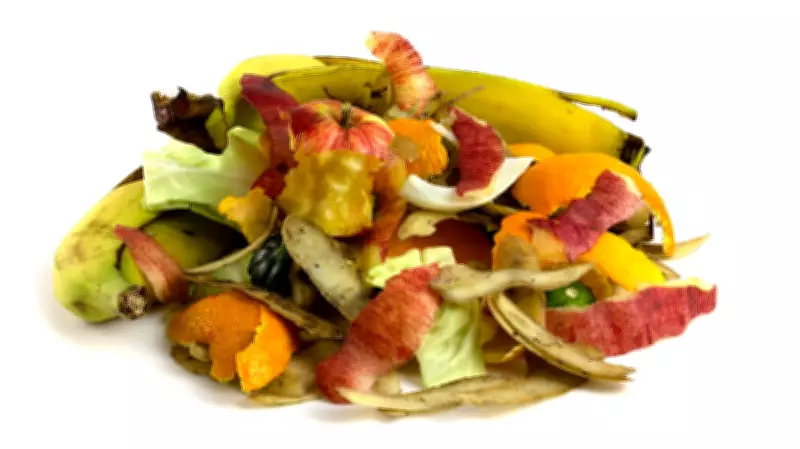
Across India, restaurants are embracing the concept of 'root-to-stem' cooking, where every part of an ingredient is utilized. Citrus peels, vegetable rinds, and even fish bones are being dehydrated, fermented, or pickled to create innovative dishes. This movement not only reduces food waste but also adds depth and complexity to menus.
Traditional Wisdom Meets Modern Techniques
Indian kitchens have long practiced zero-waste cooking, with recipes that use leftover rice, vegetable peels, and stale bread. However, modern chefs are elevating these practices by applying scientific methods. For instance, dehydrating citrus peels concentrates their essential oils, creating intense flavor powders that can be used in desserts or savory dishes. Fermenting rinds from watermelons or pumpkins yields tangy, umami-rich condiments that enhance salads and curries.

- Dehydrated citrus peels are ground into zesty powders for seasoning.
- Fermented vegetable scraps become probiotic-rich pickles.
- Fish bones and shells are slow-cooked to make concentrated broths.
Examples from Top Chefs
Chef Anjali Kochhar, a pioneer in this movement, emphasizes that 'waste is a design flaw.' Her restaurant uses leftover whey from paneer making to ferment vegetables, while coffee grounds are repurposed in spice rubs for meats. Similarly, in Bengaluru, a fine-dining establishment serves 'scrap chutney' made from mango peels and coriander stems, paired with artisanal bread.
Environmental and Economic Impact
This trend significantly reduces the carbon footprint of restaurants by minimizing landfill contributions. Economically, it lowers procurement costs and creates premium products from low-cost materials. Diners are also drawn to the story behind these dishes, making them a marketing asset.
- Reduces food waste by up to 30% in some kitchens.
- Creates unique selling points for restaurants.
- Encourages conscious consumption among customers.
Challenges and Future Outlook
While the movement gains momentum, chefs face challenges like standardizing flavors from variable scraps and changing customer perceptions. However, with growing awareness and creativity, scrap-based cuisine is expected to become a staple in Indian gastronomy. As Chef Kochhar notes, 'Every peel and rind holds a story of flavor waiting to be told.'