

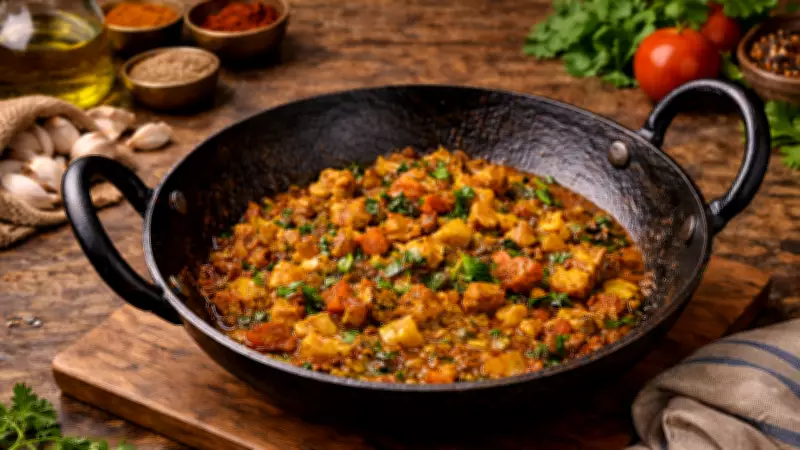
Rediscovering the Iron Kadai: A Timeless Kitchen Essential
In countless Indian households, the iron kadai has stood as an enduring culinary companion for generations. Long before the proliferation of non-stick and aluminum cookware, these robust iron vessels were the cornerstone of kitchens, employed for frying, sautéing, and slow-cooking with unmatched reliability. Today, as nutritional awareness grows and sustainable living gains prominence, there is a remarkable resurgence of interest in traditional cookware. The iron kadai is celebrated not merely for its exceptional durability and superior heat retention but also for its potential health advantages when utilized appropriately. However, like any specialized kitchen tool, it demands proper handling and meticulous care. This comprehensive guide outlines seven compelling benefits of cooking with an iron kadai, followed by five critical practices to avoid, ensuring both safety and optimal performance in your culinary endeavors.
Seven Remarkable Benefits of Cooking in an Iron Kadai
1. Naturally Enhances Iron Intake
One of the most widely recognized advantages of iron cookware is its ability to passively boost the iron content in food. When preparing acidic or moisture-rich dishes in an iron kadai, trace amounts of iron leach into the meal. While this should not replace medical treatments for iron deficiency, regular use can support daily dietary iron intake in a simple, non-invasive manner, contributing to overall nutritional balance.

2. Develops Rich Flavors Over Time
An iron kadai acquires character and depth with consistent use. As it absorbs oils and seasonings from repeated cooking sessions, its surface becomes naturally seasoned. This process imparts a subtle, earthy richness to dishes, with many chefs noting that vegetables sautéed in iron taste more rounded and complex compared to those prepared in lighter pans. Unlike synthetic coatings that degrade, this seasoning enhances with proper care and continued use.
3. Superior Heat Retention and Distribution
Iron is renowned for its exceptional ability to retain heat for extended periods. Once adequately heated, an iron kadai maintains a steady, even temperature, making it ideal for slow cooking, frying, and roasting spices. This uniform heat distribution minimizes hot spots and promotes perfect browning, whether you're crafting crispy aloo fry or searing succulent paneer cubes. Additionally, it keeps food warm longer after cooking concludes.
4. Exceptional Durability and Longevity
A well-maintained iron kadai can endure for decades, often becoming a cherished heirloom passed through generations. Unlike non-stick pans that may scratch or lose their coating within a few years, iron cookware strengthens with use. It resists peeling, chipping, and the release of synthetic chemicals, embodying both practicality and family tradition.
5. Chemical-Free Cooking Surface
Modern non-stick cookware frequently relies on synthetic coatings that can degrade when overheated or scratched. In contrast, an iron kadai offers a completely natural surface, with its non-stick properties derived from oil seasoning. For those prioritizing a chemical-free kitchen, iron provides peace of mind and simplicity, aligning with a healthier lifestyle.
6. Ideal for High-Heat Cooking Techniques
Indian cuisine often involves high-heat methods such as tadka, shallow frying, and bhuna cooking. Iron kadais excel under these conditions, withstanding intense temperatures without warping or structural compromise. Whether frying golden pakoras or roasting aromatic masalas for a rich gravy, this cookware delivers consistent performance.
7. Sustainable and Eco-Friendly Choice
Iron cookware is recyclable and typically crafted from abundant natural materials, eliminating the need for chemical coatings or frequent replacements. In an era of disposable consumer goods, opting for an iron kadai represents a meaningful step toward sustainable living. Investing in one sturdy piece reduces long-term waste compared to regularly replacing non-stick pans.

Five Critical Mistakes to Avoid with Your Iron Kadai
While iron cookware offers numerous benefits, it requires mindful usage to preserve its qualities and ensure food safety. Here are five common errors to steer clear of:
- Avoid Prolonged Cooking of Highly Acidic Foods: Tomato-based gravies, tamarind-heavy curries, and vinegar-rich dishes can react strongly with iron during extended cooking, potentially imparting a metallic taste and darkening the food's color. Brief cooking is generally acceptable, but for lengthy simmering, consider using stainless steel or other neutral cookware.
- Do Not Leave Food Sitting in the Kadai: After cooking, promptly transfer food out of the iron kadai. Leaving moist or acidic dishes in the pan can accelerate iron leaching and increase the risk of rust formation. Immediate cleaning and thorough drying help maintain both the pan's integrity and the food's intended flavor.
- Avoid Harsh Detergents and Extended Soaking: Iron kadais should never be soaked in water for long periods, as excess moisture promotes rust. Similarly, aggressive detergents can strip away the essential seasoning layer that provides natural non-stick properties and distinctive flavor. Instead, rinse with warm water, scrub gently, dry completely, and apply a thin oil coating before storage.
- Prevent Sudden Temperature Changes: Plunging a hot iron kadai into cold water can cause thermal shock, potentially leading to cracks over time. Always allow the pan to cool slightly before washing. Gradual heating and cooling practices preserve the cookware's structural integrity and extend its lifespan.
- Ensure Proper Seasoning and Maintenance: Neglecting regular seasoning can result in food sticking and increased rust susceptibility. After each use, clean the kadai gently, dry it thoroughly, and apply a light layer of cooking oil to maintain its protective coating and enhance performance.
By embracing these benefits and adhering to these precautions, you can fully harness the potential of your iron kadai, blending traditional wisdom with modern culinary practices for healthier, more flavorful meals.
