

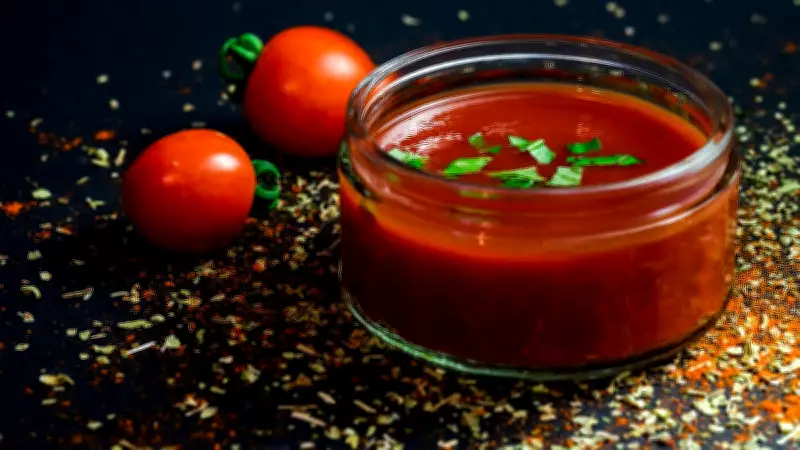
The Origins of Ketchup
Ketchup, the ubiquitous red condiment found in kitchens and restaurants worldwide, has a history that is far more complex than its simple ingredients suggest. Contrary to popular belief, ketchup did not originate in America or even with tomatoes. Its earliest ancestors can be traced back to ancient China, where a fermented fish sauce called 'ge-thcup' or 'koe-chiap' was used as a seasoning. This sauce was made from fermented fish entrails and salt, a far cry from the sweet and tangy tomato-based condiment we know today.
Evolution Through the Centuries
The fish sauce traveled along trade routes to Southeast Asia, where it evolved into a thicker, spicier version. By the 17th century, British explorers encountered this sauce in Indonesia and brought it back to Europe. The British adapted the recipe, replacing fish with ingredients like mushrooms, walnuts, and even fruits, creating various 'ketchup' or 'catsup' variations. It wasn't until the early 19th century that tomatoes were introduced as a key ingredient. Tomato ketchup quickly gained popularity due to its longer shelf life and robust flavor.
The Rise of Commercial Ketchup
In 1876, Henry J. Heinz introduced his tomato ketchup, which soon became the gold standard. Heinz's recipe emphasized ripeness, vinegar, and sugar, creating a balanced condiment that appealed to mass tastes. The company's innovative bottling process and marketing strategies made Heinz ketchup a household name. Today, ketchup is a multi-billion dollar industry, with countless brands and variations available globally.

Creative Uses Beyond Burgers and Fries
While ketchup is most commonly associated with hamburgers, hot dogs, and french fries, its uses extend far beyond. Chefs and home cooks alike have found inventive ways to incorporate ketchup into dishes. It can be used as a base for barbecue sauces, added to meatloaf for moisture and flavor, or mixed into salad dressings for a tangy kick. In some cuisines, ketchup is used as a dipping sauce for snacks like samosas or spring rolls, and even as a secret ingredient in stews and marinades.
Fun Facts About Ketchup
- The average American consumes about three bottles of ketchup per year.
- Ketchup was once sold as a medicine in the 1830s, believed to cure ailments like diarrhea and indigestion.
- Heinz's '57 Varieties' slogan was chosen because Henry Heinz liked the number 5, and 7 was his wife's lucky number, even though the company had more than 60 products at the time.
- Ketchup flows at about 0.045 miles per hour, making it one of the slowest pouring condiments.
The Science Behind the Squeeze
The thick consistency of ketchup is due to pectin, a natural gelling agent found in tomatoes. To get ketchup out of a glass bottle, many people tap the '57' on the neck, a technique that uses physics to break the surface tension and allow the ketchup to flow. Plastic squeeze bottles have largely replaced glass, but the classic glass bottle remains iconic.
Health Considerations
While ketchup is low in fat and calories, it often contains high amounts of sugar and sodium. Some brands offer reduced-sugar or organic versions. Additionally, ketchup is a good source of lycopene, an antioxidant linked to heart health and cancer prevention. However, moderation is key, as excessive consumption can contribute to health issues.
From its humble beginnings as a fermented fish sauce to its current status as a global pantry staple, ketchup has undergone a remarkable transformation. Its versatility and universal appeal ensure that it will remain a beloved condiment for generations to come.

