

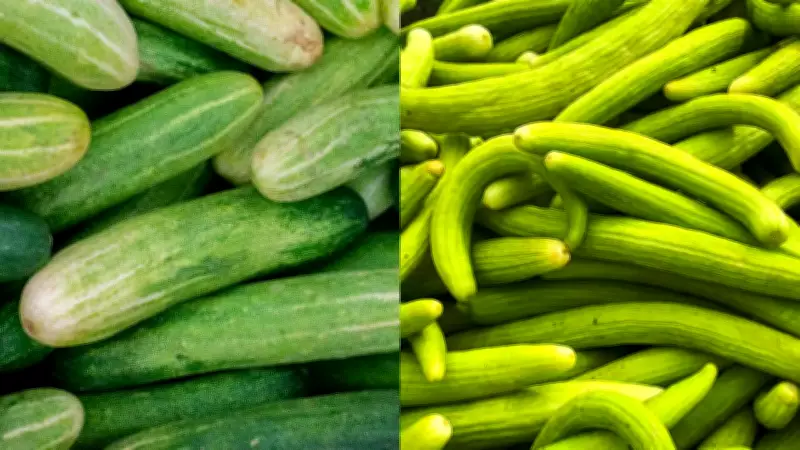
As summer temperatures soar, maintaining hydration becomes essential. While fruit juices and lemonades are popular choices, water-rich vegetables like cucumber (kheera) and snake cucumber (kakdi) offer an excellent alternative. Both are packed with water and nutrients, helping the body stay fit and energetic. But which one is more hydrating, and how much should you consume? Let's explore.
Nutritional Values of Kheera
Per 100 grams, cucumber provides approximately 15 calories, 95-96 grams of water, 3.6 grams of carbohydrates, 0.7 grams of protein, 0.1 grams of fat, 0.5 grams of dietary fiber, 1.7 grams of sugar, 147 mg of potassium, 16 mg of calcium, 13 mg of magnesium, 2.8 mg of vitamin C, and 24 mg of phosphorus.
Benefits of Kheera
Cucumbers are rich in water and fiber, along with vitamins B and C, and minerals like copper, phosphorus, potassium, and magnesium. They help regulate blood sugar levels, are low in calories, and contain antioxidants such as flavonoids and tannins, which possess anti-inflammatory properties.

Nutritional Values of Kakdi
Per 100 grams, snake cucumber offers 13-16 calories, 95-96 grams of water, 3-4 grams of carbohydrates, 0.6-0.8 grams of protein, 0.1 grams of fat, 0.5-1 gram of dietary fiber, 140-160 mg of potassium, 15-20 mg of calcium, 10-15 mg of magnesium, 2-4 mg of vitamin C, and 20-25 mg of phosphorus.
Benefits of Kakdi
Also known as Gavthi Kakri or snake melon, it is loaded with antioxidants that help protect the skin from harmful UV rays. Its taste is crisp and mildly sweet, similar to cucumber. It contains vitamins and minerals like vitamin K, vitamin C, potassium, and manganese.
Which One is More Hydrating?
Both vegetables offer similar benefits in terms of water content, fiber, and nutrients. However, many nutritionists believe that kakdi may have a slight edge during peak summer because it is traditionally grown and consumed in hot months. Its natural cooling properties and refreshing taste make it popular in regions with intense heat.
How Much Kheera and Kakdi is Good?
Experts recommend consuming 1–2 medium cucumbers (200–300 grams) per day as part of a balanced diet. For kakdi, a serving of about 150-300 grams is considered reasonable for an adult. Celebrity nutritionist Rujuta Diwekar emphasizes moderation. Additionally, Sadhguru advises that those with cough, cold, or asthma should avoid eating these water-rich vegetables after sunset or at night.

Three Cucumber Dishes
- Cucumber Raita: Grate cucumber and mix with beaten sweetened curd. Season with salt, cumin, pepper, and black salt.
- Cucumber and Paneer Salad: Dice cucumber and mix with paneer cubes, tomatoes, salt, pepper, lemon juice, and black salt. Serve chilled.
- Cucumber Sandwich: Layer cucumber slices on buttered or mayonnaise-smeared bread with herbs and tomato. Toast and enjoy with chutney or ketchup.
Three Kakdi Dishes
- Kakdi Raita: Mix grated kakdi with curd, cumin powder, salt, and coriander leaves.
- Kakdi Koshimbir: A Maharashtrian salad made with chopped kakdi, coconut, chili, lemon juice, salt, and coriander leaves.
- Kakdi Pudina Cooler: Blend chopped kakdi with chilled water, salt, pepper, mint leaves, black salt, and lemon juice. Serve with ice.
