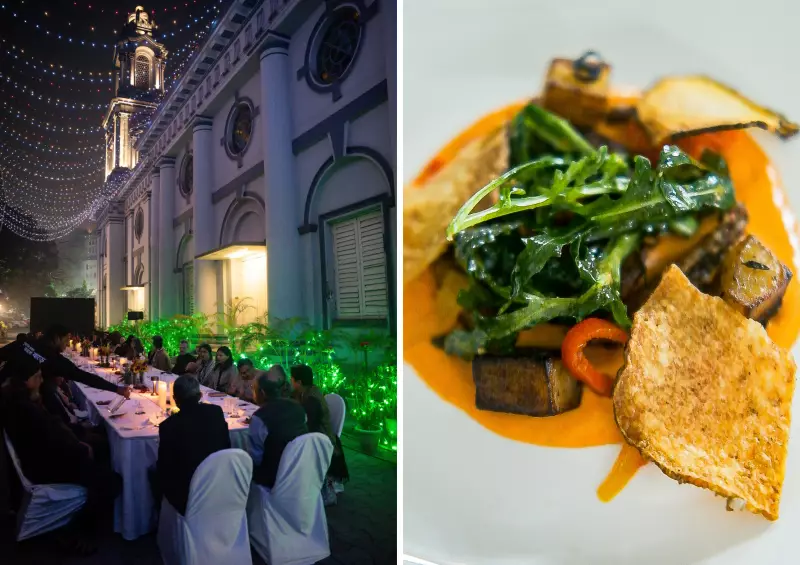
The historic Rosary Cathedral in Kolkata recently became the venue for a unique exploration of Bengal's culinary past. The first edition of 'Eating with Bengal', a culinary-history series, was successfully launched here, focusing intently on the Portuguese influence on Bengali food traditions.
A Feast for the Senses and Intellect
Organised by the Kolkata-based social enterprise and food brand Amar Khamar, the event was more than just a meal. It was a curated experience designed to weave together threads of food, history, and architecture. Amar Khamar, known for promoting traditional, seasonal, and biodiverse produce from Bengal and operating a farm-to-table lunchroom in the city, conceptualised this series to dig into Bengal's hybrid culinary identity.
Sujoy Chatterjee, co-founder of Amar Khamar, explained that the series views food as "a reflection of history, language and cultural ethos." The inaugural edition brought this philosophy to life through a specially crafted five-course menu that traced the journey of Portuguese-Bengali culinary integration, accompanied by enlightening talks.

Historical Narratives and Architectural Grandeur
The event featured significant voices that contextualised the meal. Historian Dr. Jayanta Sengupta delivered a keynote address detailing the Portuguese presence in the Bengal delta. He emphasised the "long social and cultural imprint" left by the Portuguese, which extends far beyond the kitchen into broader societal influences.
Adding a layer of local heritage, Father Franklin Menezes, the Rector of Rosary Cathedral, spoke about the Cathedral's storied past and its "continuing relevance" in Kolkata's cultural tapestry. The venue itself, built on land granted in 1690, is one of Kolkata's oldest churches and stands as a physical marker of the early cultural confluences that shaped the city.
The Future of Culinary Exploration
The successful debut at the Rosary Cathedral has set the stage for future journeys. The 'Eating with Bengal' series is expected to travel across Kolkata and wider Bengal, uncovering other layers of the region's rich and complex food history. Each edition promises to be a deep dive into how migration, trade, and cultural exchange have continuously reshaped what Bengalis eat and how they celebrate their identity through cuisine.
This initiative marks a growing trend of experiential storytelling in India, where dining becomes a portal to understanding the past, appreciating architectural heritage, and savouring flavours born from centuries of exchange.