

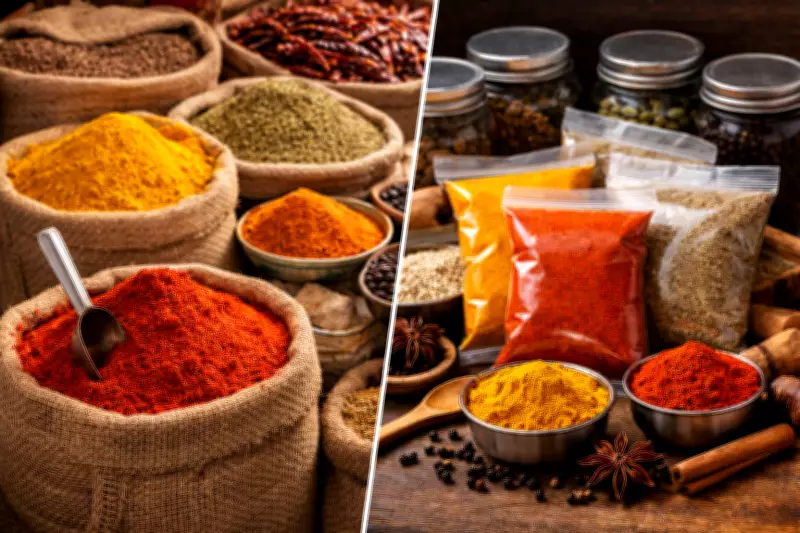
Loose vs Packed Spices: Which is the Safer Choice for Your Kitchen?
In the world of cooking, spices are essential for adding flavor and aroma to dishes, but a common dilemma faces many home cooks: should you buy loose spices from local markets or opt for pre-packed varieties from supermarkets? This debate centers on safety, hygiene, and overall quality, with significant implications for your health. Let's delve into the facts to help you make an informed decision.
Understanding the Safety Concerns
Both loose and packed spices come with their own set of risks and benefits. Loose spices, often sold in bulk at local stores or street markets, may be more affordable and allow you to buy in small quantities, reducing waste. However, they are frequently exposed to air, dust, and contaminants, which can lead to hygiene issues. On the other hand, packed spices are sealed in airtight containers, offering better protection against external pollutants, but they might contain preservatives or additives to extend shelf life.
Hygiene and Contamination Risks
When it comes to hygiene, loose spices pose a higher risk of contamination. They are typically stored in open containers, making them vulnerable to:

- Dust and Dirt: Exposure to airborne particles can introduce impurities.
- Insect Infestation: Bugs and pests may contaminate the spices if not stored properly.
- Human Handling: Multiple people touching the spices can transfer bacteria or germs.
In contrast, packed spices undergo processing and packaging in controlled environments, reducing these risks. They are often subject to quality checks and regulations, ensuring a safer product. However, it's crucial to check labels for any added chemicals or artificial colors that might affect health.
Shelf Life and Freshness
Freshness is another key factor in the safety of spices. Loose spices, if not stored correctly, can lose their potency and aroma quickly due to exposure to light and air. This can lead to a bland taste and reduced nutritional value. Packed spices, with their sealed packaging, tend to retain freshness for longer periods. To maximize safety:
- Store Properly: Keep spices in airtight containers away from heat and moisture.
- Check Expiry Dates: Always look for manufacturing and expiry dates on packed spices.
- Buy in Small Quantities: Purchase only what you need to avoid spoilage.
Expert Recommendations for Safer Spice Use
Health experts suggest a balanced approach to choosing spices. If you prefer loose spices, buy from reputable vendors who maintain cleanliness and store them in hygienic conditions. For packed spices, opt for brands that use minimal preservatives and have transparent labeling. Additionally, consider the following tips:
- Wash and Dry: Rinse loose spices briefly before use to remove surface contaminants.
- Roast at Home: Lightly roasting spices can enhance flavor and kill some bacteria.
- Monitor for Allergies: Be aware of any additives in packed spices that might trigger allergic reactions.
Conclusion: Making the Right Choice
Ultimately, the safety of spices depends on how they are sourced, stored, and used. While packed spices offer better hygiene and longer shelf life, loose spices can be a fresher and more economical option if handled with care. By understanding the risks and taking preventive measures, you can enjoy flavorful meals without compromising on health. Always prioritize quality and cleanliness, whether you choose loose or packed, to ensure a safer cooking experience.

