

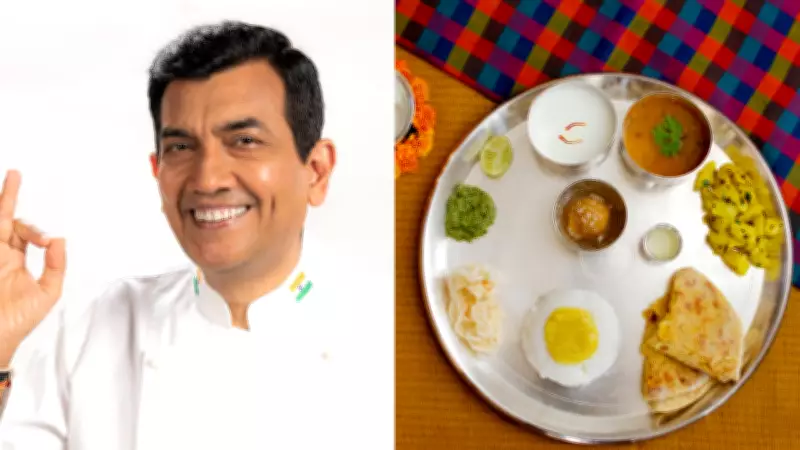
Maharashtra Day, also known as Maharashtra Din, commemorates the formation of the state of Maharashtra from the division of the Bombay State on May 1, 1960. The state is renowned for its culinary diversity, offering a wide array of regional flavors often grouped under Marathi cuisine. Celebrity chef Sanjeev Kapoor believes this day is an opportunity to remember and savor the state's forgotten flavors that have been lost over time.
In a blog post on his official website, Kapoor wrote, "By welcoming these flavors back into our kitchens, we create a space where heritage and innovation can coexist. We nourish more than just our bodies; we feed our sense of identity and belonging. In doing so, the quiet wisdom of Maharashtra's culinary past continues to echo through every simmer, every bite, and every shared story. These flavors, earthy, nourishing, and deeply rooted in village life, once formed the backbone of everyday cooking." Here is a look at some long-lost Maharashtrian dishes that deserve a comeback.
Pithla Bhakri
According to Kapoor, Pithla Bhakri is the soul food of Maharashtra. It is a humble yet hearty pairing of spiced gram flour curry (Pithla) and rustic millet flatbread (Bhakri). Pithla is creamy, aromatic, and quick to prepare, often made when vegetables are scarce. Bhakri, crafted from jowar or bajra, adds an earthy, robust contrast. Together, they form a deeply satisfying meal that speaks of simplicity, resilience, and connection to the land. Often served with raw onions, green chilies, and thecha, this combination is comfort incarnate—warm, grounding, and timeless.

Ghavan
Celebrating the forgotten flavors of Maharashtra, Kapoor also mentions Ghavan, a soft, lace-textured rice crepe from the Konkan coast, often compared to neer dosa but with its own quiet charm. Made without fermentation, it is quick to prepare and deeply comforting. Traditionally served with coconut milk or spicy chutneys, its porous surface soaks up flavors beautifully. Ghavan reflects the coastal rhythm—minimalist, nourishing, and rooted in everyday rituals, he says in the post. Whether offered as prashad during festivals or made for a simple breakfast, it carries the warmth of home and the elegance of simplicity in every bite.
Alu Wadi
According to Chef Sanjeev, Alu Wadi is a savory spiral made from colocasia leaves layered with a sweet-spicy gram flour paste, then rolled, steamed, and tempered. Often served during monsoons or festivals, it is a dish that demands patience and precision. Whether pan-fried or enjoyed as-is, Alu Wadi is a culinary art form—balancing bitterness, sweetness, and spice. It is a celebration of seasonal produce and the quiet craftsmanship of traditional Maharashtrian kitchens, he narrates in the blog post.
Kharwas
Kharwas is a delicate steamed pudding made from colostrum milk, the nutrient-rich first milk of a cow or buffalo after calving. Its texture is firm yet creamy, subtly sweetened with jaggery or sugar, and often infused with cardamom and saffron. Traditionally prepared during auspicious occasions, it is more than a dessert; it is a celebration of new life and reverence. Rare and ceremonial, Kharwas is a dish passed down with quiet pride, offering a glimpse into the deep-rooted rituals of rural Maharashtra and the gentle luxury of slow, intentional cooking, he adds.
Panki / Paanagi Panagi
Panagi refers to a thin rice flour pancake roasted between banana leaves, which infuses it with a subtle earthy aroma. Light, soft, and slightly spiced, it is a snack that balances practicality with poetry, he explains. The banana leaf prevents sticking and adds a unique flavor, making each bite fragrant and tender. Often made in sweet or savory versions, Panagi is a beautiful example of how Maharashtrian cuisine transforms simple ingredients into sensory-rich experiences. It is a dish that feels both festive and familiar, wrapped in tradition.
Pohyache Papad
According to Chef Sanjeev, Pohyache Papad, also known as Poha Mirgund, is a sun-dried crisp made from spiced flattened rice dough. Cut into rectangles and dried under the sun, it is a monsoon pantry essential in Konkan households. This papad is more than a side dish; it is a seasonal ritual, a testament to preservation techniques and the joy of handmade accompaniments.

