

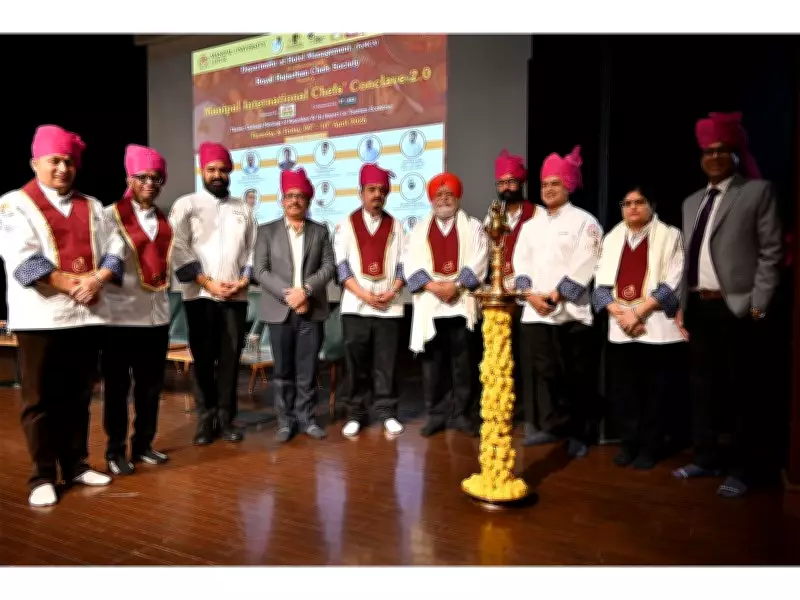
Manipal University Jaipur Hosts International Chefs Conclave to Spotlight Rajasthani Culinary Heritage
Manipal University Jaipur recently organized a significant International Chefs Conclave, an event dedicated to celebrating and promoting the rich and diverse culinary heritage of Rajasthan. This conclave brought together renowned chefs from around the world, along with local culinary experts, to explore and showcase the traditional flavors and techniques that define Rajasthani cuisine.
Event Highlights and Global Participation
The conclave featured a series of interactive sessions, live cooking demonstrations, and panel discussions focused on the unique aspects of Rajasthani food culture. Chefs from various international backgrounds shared their insights and experiences, while local chefs demonstrated the preparation of iconic dishes such as Dal Baati Churma, Gatte Ki Sabzi, and Laal Maas. This blend of global and local perspectives aimed to foster a deeper appreciation for Rajasthan's gastronomic traditions and encourage innovation in culinary arts.
Emphasis on Culinary Education and Heritage Preservation
Beyond the culinary showcases, the event underscored the importance of culinary education in preserving cultural heritage. Manipal University Jaipur, known for its commitment to academic excellence, used this platform to highlight its programs in hospitality and culinary studies. The conclave served as an educational tool for students and professionals alike, offering networking opportunities and hands-on learning experiences. Discussions also touched on sustainable practices and the role of traditional cuisines in promoting tourism and cultural exchange.

Impact on Local and International Culinary Scenes
The International Chefs Conclave at Manipal University Jaipur is expected to have a lasting impact on both the local and international culinary landscapes. By elevating Rajasthani cuisine on a global stage, the event aims to attract more attention to the region's food culture, potentially boosting tourism and economic opportunities. Additionally, it reinforces the university's position as a hub for culinary innovation and cultural preservation, setting a precedent for future events that bridge traditional and modern culinary practices.

