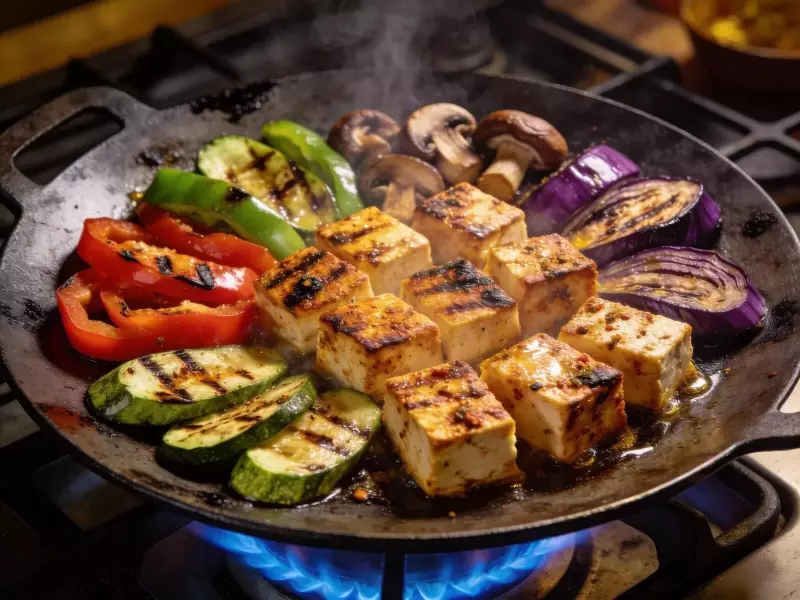
As New Year's Eve approaches, the irresistible aroma of barbecue fills the imagination. Yet, for many across India's bustling cities and compact apartments, the classic charcoal grill remains an impractical dream. Last year's attempts might have fallen short, leaving you with more smoke alarms ringing than flavourful feasts. But this year, culinary success is within reach, even without a traditional setup.
The Core Principles: Heat, Smoke, and Seasoning
Authentic barbecue is not defined by expensive equipment but by mastering three fundamental elements: precise heat control, the infusion of smoke, and robust seasoning. Understanding this trio transforms an ordinary gas stove into a powerful tool for creating festival-worthy dishes. The signature flavour comes from the magical combination of slow cooking, caramelisation, and smokiness. While a gas burner offers excellent command over temperature, the elusive smoke must be creatively introduced.
Essential Gear and Marination Magic
Your cookware choice is critical. A heavy-bottomed cast-iron grill pan or a thick tawa is ideal, as it retains intense heat and creates perfect sear marks that boost caramelisation. For proteins like chicken, fish, or paneer, a heavy-duty non-stick pan can prevent sticking. Avoid thin pans that lead to uneven cooking.

Since the gas stove lacks natural smokiness, the marination carries extra weight. A balanced blend of acid (like yoghurt or lemon juice), fat, salt, and spices is crucial. A small amount of sugar or honey aids in achieving that coveted caramelised crust. For deep flavour penetration, allow meats and vegetables to rest in the marinade for several hours, preferably overnight. Always pat ingredients dry before they hit the pan to ensure charring, not steaming.
Mastering the Art of Smoke on a Gas Burner
Introducing smoke is the game-changer. One highly effective method borrowed from Indian culinary tradition is the dhungar technique. Heat a small piece of charcoal until it's red-hot, place it in a steel bowl, and set it atop your nearly cooked dish. Drizzle a spoonful of ghee or oil over the coal, cover the dish immediately, and let the smoke permeate for a few minutes.
For a subtler touch, you can smoke raw ingredients briefly before cooking. Place them on a rack, generate smoke with hot charcoal below, and cover tightly. Alternatively, wrapped wood chips heated directly on a burner can add an authentic note, but require good ventilation.
The Cooking Process: Patience is Key
Preheat your pan thoroughly. A searing hot start is non-negotiable for barbecue-style cooking. Lightly oil the surface and add food without overcrowding, which causes the temperature to plummet. Resist the temptation to move items constantly. Let a proper crust form before flipping—this is where deep flavour develops. After achieving good colour on both sides, reduce the heat to cook through gently. For thicker cuts, partially covering with a lid mimics the indirect heat of a grill.
Vegetables are exceptionally forgiving on the stove. Bell peppers, corn, mushrooms, and brinjal develop wonderful sweetness and char. For an intense smoky flavour, blister whole vegetables like peppers directly on the flame before peeling and seasoning.
Finishing Touches for Maximum Impact
Be cautious with barbecue sauces, as their sugar content burns easily. Apply them only towards the end of cooking, allowing just a moment to caramelise, or serve them on the side. Once cooked, let the food rest briefly so juices redistribute. A final brush of flavoured butter or a sprinkle of flaky salt and fresh herbs can elevate the entire dish, balancing the rich smokiness with brightness.
This New Year's Eve, embrace the possibilities within your kitchen. With these techniques, the heartwarming experience of a barbecue feast, surrounded by friends and family, is just a gas stove away.