Debunking the Myth: Why McDonald's Burgers Don't Rot, Explained by Science
If you've spent any time on social media, you've likely come across posts claiming that McDonald's hamburgers never decay, often attributing this phenomenon to mysterious chemicals or excessive preservatives. While such theories might sound convincing at first glance, they are based on a false perception that can be easily clarified through basic principles of food science. Understanding what truly causes food to spoil removes the confusion and reveals a straightforward explanation rooted in natural processes.
The Science Behind Why McDonald's Burgers Don't Rot
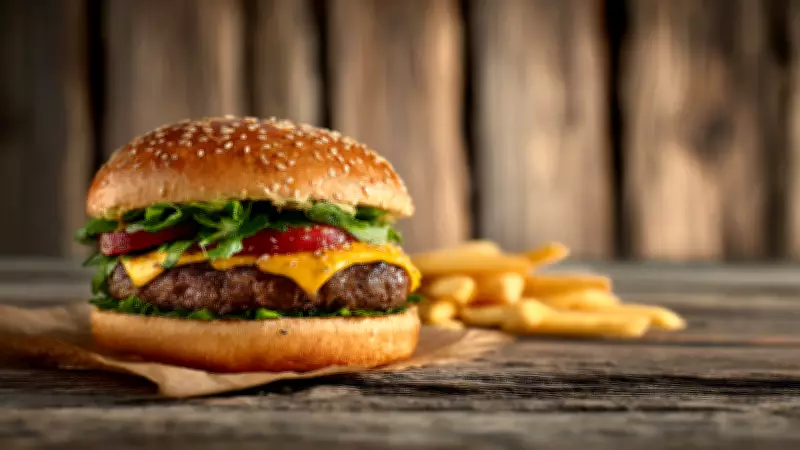
The primary reason a McDonald's burger doesn't rot isn't due to preservatives, as many assume, but rather the drying process. For food to decay, it requires moisture, which provides an ideal environment for bacteria and fungi to thrive and break down organic matter. McDonald's burgers are relatively small and cooked at high temperatures, which significantly reduces their moisture content. When placed in a dry environment, such as an air-conditioned room, the burger dries out before it can spoil, similar to how jerky is preserved through dehydration.
As food expert J. Kenji López-Alt of Serious Eats notes, "Under the right circumstances, our burgers, like most other foods, can indeed break down." This statement highlights that the burger's resistance to spoilage isn't because it's indestructible, but because conditions aren't conducive to microbial growth.

Ingredients and Preservatives: What's Really Inside
Despite widespread beliefs, the ingredients in a McDonald's burger are quite simple. According to the official McDonald's website, their classic hamburger consists of "100% pure beef with no fillers, no additives, and no preservatives." While preservatives are used in the bun and condiments—a common practice in the food industry to maintain freshness during transportation and storage—they do not grant eternal resistance to spoilage. It's a misconception that chemicals prevent decay; in reality, some foods remain intact solely due to dehydration, even without preservatives.
Environmental Conditions That Prevent Decomposition
The environment plays a crucial role in determining whether food rots or dries up. The United States Department of Agriculture (USDA) explains that "Bacteria require moisture, nutrients, and the right temperature for growth." If a burger is left in a dry, open setting, especially indoors with air conditioning, it loses moisture rapidly. Without sufficient moisture, bacteria cannot grow or reproduce, halting the decay process. This isn't unique to McDonald's; homemade burgers can behave similarly under the same conditions, though the fast-food chain's prominence makes the effect more noticeable.
It's No Mystery, It's Moisture
The theory that McDonald's fast food items don't spoil due to chemicals is far from accurate and stems from a lack of understanding of scientific principles. Evidence supports that the non-decay of these burgers is primarily due to dehydration. Clarifying this misconception is important because the process is neither artificial nor related to the food's composition; instead, it hinges on the absence of water, a fundamental factor in food preservation.
By recognizing these facts, consumers can make informed decisions and avoid falling for misleading claims that circulate online. The next time you see a post about a "forever burger," remember: it's all about moisture, not magic.