

Understanding Microwave Safety with Aluminium Foil
In Britain and many other countries, microwave ovens have become indispensable kitchen appliances for reheating leftovers and preparing quick meals. However, a persistent question lingers in many households: is it safe to use aluminium foil in the microwave? Conflicting opinions abound, with some warning of extreme danger while others claim it's completely harmless. The truth lies in understanding the specific conditions under which aluminium foil can be used safely.
The Science Behind Microwave Heating
To properly assess aluminium foil safety, one must first grasp how microwave ovens function. These appliances utilize electromagnetic waves to excite water molecules within food, generating heat through molecular friction. Unlike food substances, metal does not absorb these microwaves but instead reflects them. According to the comprehensive study 'Risk Assessment of Using Aluminium Foil in Food Preparation,' microwaves cannot penetrate metal surfaces. When food is entirely covered with aluminium foil, this reflection prevents proper heating and creates potential interference patterns within the oven cavity.
Critical Safety Parameters for Aluminium Foil Use
Contrary to popular belief, not all aluminium foil usage is hazardous. Many commercially packaged foods come in aluminium foil trays designed specifically for microwave use. The key distinction lies in proper application rather than the material itself. Several crucial factors determine whether aluminium foil poses a risk in your microwave:

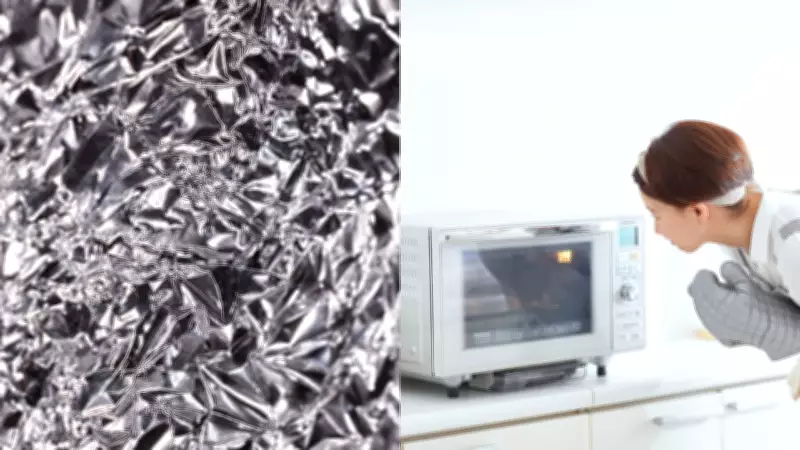
- Smoothness and Shape: The surface condition of aluminium foil proves more important than most users realize. Crumpled foil or pieces with sharp edges create concentrated electric charge areas that can generate dangerous arcing—visible sparks that may damage oven components or even ignite fires.
- Size Considerations: Small, flat pieces of aluminium foil can safely shield specific food portions, such as poultry wingtips or meat edges that might otherwise overcook. However, covering substantial dish areas or completely enclosing food prevents microwave penetration, causing energy accumulation and uneven cooking.
- Proper Orientation: Aluminium foil must never contact the microwave's interior walls. When foil touches these surfaces, reflected microwaves concentrate at single points, dramatically increasing spark probability. If sparking occurs, immediately power off the oven and carefully remove the foil.
Physical Hazards of Improper Foil Use
The primary risks associated with aluminium foil in microwaves are physical rather than chemical. Since metal reflects microwave radiation, it creates uneven energy distribution within the oven chamber. This irregular distribution can generate electrical activity manifesting as visible sparks. These sparks not only serve as visual warnings but can damage the microwave's protective lining and significantly reduce appliance lifespan. In worst-case scenarios, excessive sparking from crumpled or folded foil may ignite surrounding materials.
Additionally, food wrapped in aluminium foil often heats unevenly due to microwave reflection. This incomplete cooking poses potential health risks, particularly when reheating previously cooked items that require thorough heating to eliminate bacteria.
Practical Guidelines for Safe Microwave Practices
If you've hesitated about using aluminium foil in your microwave, your caution has been warranted. This represents one of those kitchen scenarios where careful consideration yields significant safety benefits. Before introducing aluminium foil, ask yourself these critical questions:
- Is the foil perfectly smooth without wrinkles or sharp edges?
- Am I using minimal amounts rather than extensive coverage?
- Is the foil positioned away from oven walls and other metal components?
When any doubt exists, alternative methods prove simpler and stress-free. Microwave-safe glass or ceramic containers eliminate spark risks entirely while ensuring even food heating. Remember that proper microwave use combines convenience with safety—when aluminium foil seems questionable, choosing safer alternatives guarantees peace of mind alongside properly cooked meals.

