

Revolutionize Your Kitchen Cleaning with a Simple Microwave Steam Hack
We have all experienced the frustration of facing a pan or pot with hardened, burnt-on food residues that seem as stubborn as cement. Traditionally, the go-to solutions involved soaking overnight or vigorous scrubbing, which often left hands sore and dishes still not fully clean. However, a group of innovative home cooks and DIY enthusiasts has uncovered a low-energy, highly effective method to tackle these annoyances using nothing more than a microwave and water.
The Science Behind the Steam Cleaning Method
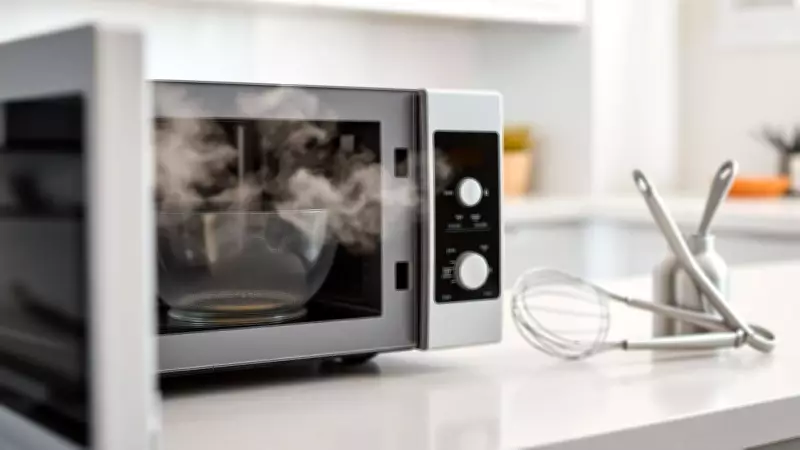
At first glance, microwaves are primarily associated with heating food, but their ability to generate steam is the key to this cleaning breakthrough. The process begins by placing a bowl of water in the microwave and heating it until it reaches a rolling boil. This action creates a localized steam sauna effect that penetrates the tiny cracks and crevices of accumulated food debris. The steam hydrates the residues, softening them into a paste that can be easily wiped away, all without the use of toxic chemicals or harsh scrubbing.
Why is steam superior to traditional soaking? While soaking a pan in cold water might seem logical, scientific research indicates that heat and moisture work together to disrupt the structural integrity of tough food residues. A study published in the journal Food Chemistry, titled "Modification of black soybean residue insoluble dietary fiber with ultrasonic, microwave, high temperature and high-pressure, and extrusion," explains that the combination of heat and moisture actively breaks down molecular bonds. In contrast, cold water merely sits on the surface, failing to penetrate deeply.

This method is particularly beneficial for scorched residues that have undergone chemical changes during cooking. Insights from another study, "Vacuum-steam pulsed blanching (VSPB) softens texture and enhances drying rate of carrot by altering cellular structure, pectin polysaccharides and water state," found in Innovative Food Science & Emerging Technologies, demonstrate that steam treatments effectively soften textures by altering the water state within food cells. From a cleaning perspective, using a microwave-supported steam system keeps stubborn particles moist during the process, preventing them from drying out again and making cleanup effortless.
Benefits for Cookware and the Environment
Utilizing this steam hack not only simplifies cleaning but also protects your cookware. Aggressive scrubbing with metal scrapers or abrasive brushes can scratch surfaces, especially on nonstick pans, leading to increased food adhesion over time. Research from the Food Science and Technology Research Journal on the "Combined Effect of Microwave and Steam Cooking on Phytochemical Compounds and Antioxidant Activity of Purple Sweet Potatoes" highlights that steaming maintains delicate layers without damaging coatings, ensuring your pots and pans remain in pristine condition.
Environmentally, this approach is a game-changer. Many commercial cleaning products contain harmful volatile organic compounds that can leave chemical residues on food preparation surfaces. By switching to a steam-based routine, you rely solely on pure water, making it a safe and sustainable choice. A study published in Chemical Engineering and Processing - Process Intensification, titled "Characterization of industrial açaí pulp residues and valorization by microwave-assisted extraction," underscores the efficiency of microwave energy in breaking down organic residues safely and effectively, further validating this eco-friendly method.

Step-by-Step Guide to Implementing the Steam Hack
- Start by placing approximately half a cup of water into a microwave-safe dish.
- Position this dish near the uncleaned cookware item in the microwave.
- Set the microwave to high heat and run it for three to five minutes, allowing the water to boil and generate steam.
- Once the timer ends, keep the microwave door closed for an additional minute to let the steam work its magic.
- After this, the tough food residues will have softened into a cleanable paste, ready to be wiped away with minimal effort.
This method not only conserves water compared to prolonged soaking but also saves time and energy, allowing you to spend less on scrubbing and more on enjoying your home. By adopting this steam hack, you can maintain the shine and longevity of your cookware while embracing an environmentally conscious lifestyle.
