

Humane Rat Control: Safe, Natural Solutions for Home and Garden
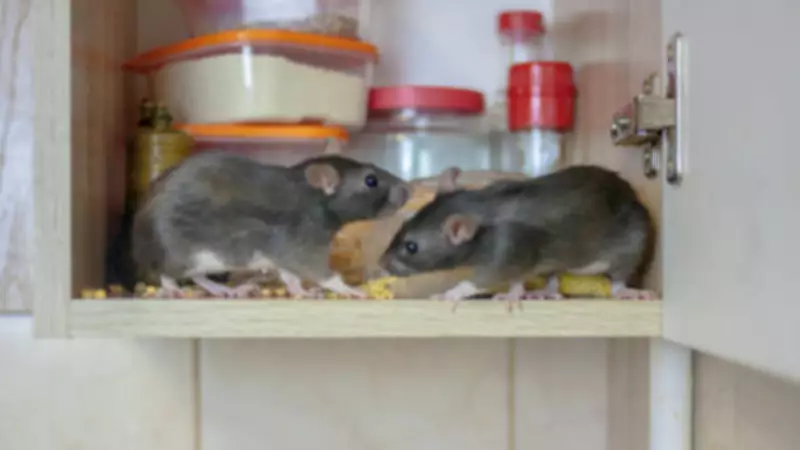
If you have discovered a rat in your kitchen or noticed gnawed items in your garage, your initial reaction might be panic. This is completely understandable. However, before contacting an exterminator or purchasing toxic poisons, it is valuable to explore gentler, more compassionate approaches that are genuinely effective and do not require killing any animals.
Rats are intelligent, highly adaptable creatures primarily seeking food and shelter. They are not present to terrorize homeowners. Recognizing this transforms the situation from a hostile battle into a manageable eviction process that you can successfully oversee.
Eliminate Food Sources to Discourage Residence
Food availability is almost always the primary reason rats establish residence in a property. An unsealed bag of rice in a cabinet, fallen fruit in the garden, or an uncovered compost pile essentially serves as an invitation. Before attempting any other methods, conduct a thorough audit of your living space.

Transfer dry goods into airtight glass or metal containers. Collect fallen produce on the same day it drops. If you feed birds, be aware that scattered seeds are equally attractive to rats as they are to sparrows. You do not need to stop feeding birds, but placing a tray beneath the feeder to catch spills can make a significant difference.
Addressing these issues not only constitutes effective pest management but also represents sound home maintenance practices that benefit overall household organization and cleanliness.
Create an Uncomfortable Environment Using Natural Scents
Rats possess extremely sensitive noses and strongly dislike certain aromas. Peppermint oil is widely recommended and has proven efficacy. Soak cotton balls in the oil and position them near potential entry points or in corners where rat activity has been observed.
Refresh these cotton balls every few days as the scent diminishes. This provides a simple, non-toxic method to encourage rats to vacate the premises. Eucalyptus and clove essential oils function similarly as natural deterrents.
Predator scents also offer an effective solution. If you do not own a cat, you can acquire used cat litter and place a small quantity near areas frequented by rats. While this may seem unusual, rats have evolved to flee from feline odors, which trigger deep instinctive fears.
The same principle applies to owl feathers or commercial predator urine sprays, which are specifically marketed for garden pest control applications.
Seal All Possible Entry Points Thoroughly
Rats can squeeze through remarkably small openings, which is a genuinely unsettling fact. One of the most critical steps involves meticulously inspecting your home's exterior, using a flashlight if necessary, to identify gaps around pipes, foundation cracks, spaces beneath doors, and loose ventilation covers.
Steel wool is excellent for stuffing into holes because rats cannot chew through it. Seal over the steel wool with caulk or expanding foam for a durable barrier. While this task may not be glamorous, blocking entry points resolves a substantial portion of the infestation problem.
In garden areas, raised beds with wire mesh bottoms discourage burrowing. Dense ground cover like ivy near the house can provide ideal hiding spots, so clearing some of this vegetation enhances protection.
Utilize Humane Live Traps for Physical Relocation
If a persistent rat continues returning despite other measures, a live cage trap remains a humane option. Bait the trap with irresistible items like peanut butter or a small piece of chocolate, and check it every few hours to ensure any captured animal is not distressed.
Relocation is a crucial step. Transport the rat at least two kilometers away, ideally to a green space distant from other residences. Releasing it closer increases the likelihood it will find its way back, as rats possess strong homing instincts.
Some individuals express concern that relocation merely transfers the problem to another area. This is a valid consideration. However, a healthy rat released into a suitable wild habitat is far more likely to continue its natural life than immediately infiltrate a neighbor's kitchen. These animals are opportunistic survivors, not purpose-driven invaders.

Maintain Consistency and Patience for Lasting Results
The honest reality is that natural control methods are not instantaneous. They operate effectively over days and weeks rather than hours. If you have sealed entry points, eliminated food sources, deployed scent deterrents, and used live traps when necessary, you are implementing all correct strategies.
Do not abandon efforts after two days if you still hear noises within walls. Maintain consistency, refresh deterrents regularly, and ensure no new food sources have emerged unnoticed. In most cases, rats will relocate when an environment ceases to offer sufficient rewards for the effort required—a behavioral pattern not unlike human decision-making processes.
