

Ayurvedic Navratri Fasting: A 9-Day Journey to Wellness with Traditional Recipes
Navratri, a revered nine-day Hindu festival, is not only a time for spiritual devotion but also an opportunity for physical purification through fasting. This ancient practice, deeply rooted in Ayurvedic principles, emphasizes consuming sattvic foods that are light, easy to digest, and nourishing. Fasting during Navratri is believed to detoxify the body, enhance mental clarity, and align with seasonal changes, particularly as it often coincides with the transition between seasons.
Ayurvedic Principles Behind Navratri Fasting
According to Ayurveda, the traditional Indian system of medicine, fasting helps balance the three doshas—Vata, Pitta, and Kapha—by giving the digestive system a rest. During Navratri, followers typically avoid grains like wheat and rice, non-vegetarian items, onions, garlic, and processed foods. Instead, the diet focuses on foods that are considered pure and energizing, such as fruits, nuts, dairy products, and specific flours like buckwheat (kuttu) and water chestnut (singhara). This approach supports digestion, boosts immunity, and promotes overall well-being.
Essential Foods for a Balanced Navratri Diet
To maintain energy levels and nutritional balance during the fast, it is crucial to include a variety of permitted foods. Here are some key components:

- Fruits: Apples, bananas, pomegranates, and berries provide essential vitamins and natural sugars for sustained energy.
- Dairy Products: Milk, yogurt, and paneer are rich in protein and calcium, helping to keep you full and nourished.
- Flours: Buckwheat (kuttu), water chestnut (singhara), and amaranth (rajgira) are gluten-free alternatives used for making rotis, puris, and other dishes.
- Nuts and Seeds: Almonds, walnuts, and pumpkin seeds offer healthy fats and proteins, ideal for snacking.
- Vegetables: Potatoes, sweet potatoes, pumpkins, and cucumbers are commonly consumed, often prepared without onions and garlic.
Delicious and Nutritious Navratri Recipes for Each Day
Here is a curated list of traditional recipes to enjoy during the nine days of fasting, ensuring variety and nutrition:
- Sabudana Khichdi: A popular dish made from tapioca pearls, peanuts, and potatoes, seasoned with cumin and green chilies. It is light yet filling, perfect for breakfast or lunch.
- Kuttu Puri with Aloo Sabzi: Buckwheat flour puris served with a spiced potato curry. This combination provides carbohydrates and proteins to keep you energized throughout the day.
- Singhara Atta Halwa: A sweet dessert made from water chestnut flour, ghee, and sugar, often flavored with cardamom. It is a comforting treat that aligns with fasting guidelines.
- Fruit Chaat: A refreshing mix of seasonal fruits like apples, bananas, and pomegranates, tossed with lemon juice and rock salt. This dish is rich in fiber and antioxidants.
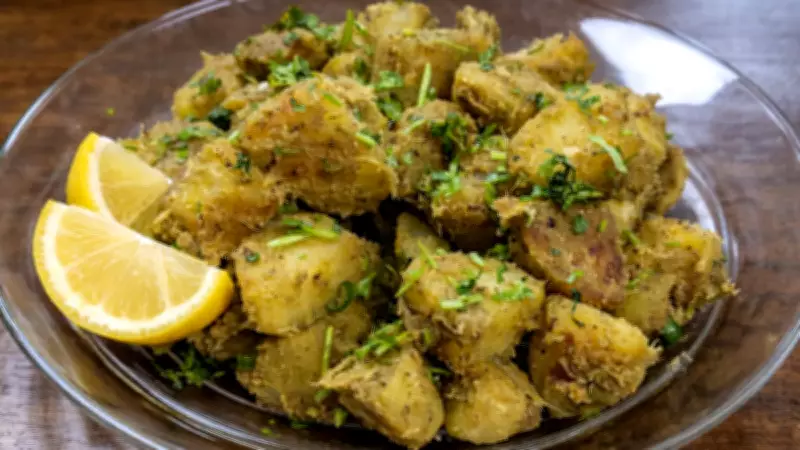
- Dahi Aloo: Boiled potatoes cooked in a yogurt-based gravy with spices like cumin and coriander. It is a protein-rich option that supports digestion.
- Rajgira Paratha: Flatbreads made from amaranth flour, stuffed with mashed potatoes or paneer. These parathas are gluten-free and nutritious.
- Makhana Kheer: A creamy pudding prepared with fox nuts (makhana), milk, and jaggery, flavored with saffron and nuts. It is a wholesome dessert that aids in satiety.
- Samak Rice Pulao: A flavorful rice dish made from barnyard millet (samak), mixed with vegetables like carrots and peas, and tempered with ghee and spices. It is a hearty meal option.
- Banana and Nut Smoothie: A blended drink of bananas, almonds, milk, and a dash of honey. This smoothie is quick to make and provides instant energy.
Sample Navratri Diet Plan for Optimal Health
Following a structured diet plan can help you fast effectively without compromising on nutrition. Here is a sample daily plan:

- Morning: Start with a glass of warm water with lemon and honey, followed by a fruit like an apple or banana.
- Breakfast: Opt for sabudana khichdi or rajgira paratha with a side of yogurt.
- Mid-Morning Snack: A handful of nuts or a bowl of fruit chaat to curb hunger.
- Lunch: Enjoy kuttu puri with aloo sabzi or samak rice pulao, accompanied by a glass of buttermilk.
- Evening: Sip on herbal tea with makhana or singhara atta halwa as a light snack.
- Dinner: Have dahi aloo or a banana and nut smoothie, ensuring the meal is light and easy to digest before bedtime.
Tips for Healthy Fasting During Navratri
To make the most of your fasting experience, consider these Ayurvedic tips:
- Stay Hydrated: Drink plenty of water, herbal teas, and coconut water to prevent dehydration and support detoxification.
- Eat Mindfully: Chew your food thoroughly and eat in a calm environment to aid digestion and enhance nutrient absorption.
- Avoid Overeating: Even with permitted foods, practice portion control to avoid digestive issues and maintain energy levels.
- Incorporate Light Exercise: Gentle activities like yoga or walking can complement fasting by promoting circulation and mental peace.
- Listen to Your Body: If you feel fatigued or unwell, adjust your diet or consult a healthcare professional, especially if you have underlying health conditions.
Navratri fasting, when done correctly with an Ayurvedic approach, can be a transformative experience that benefits both body and mind. By embracing these traditional recipes and diet plans, you can honor the festival's spiritual essence while nurturing your health. Remember, the key is to focus on sattvic foods that purify and energize, making your nine-day journey both fulfilling and wholesome.
