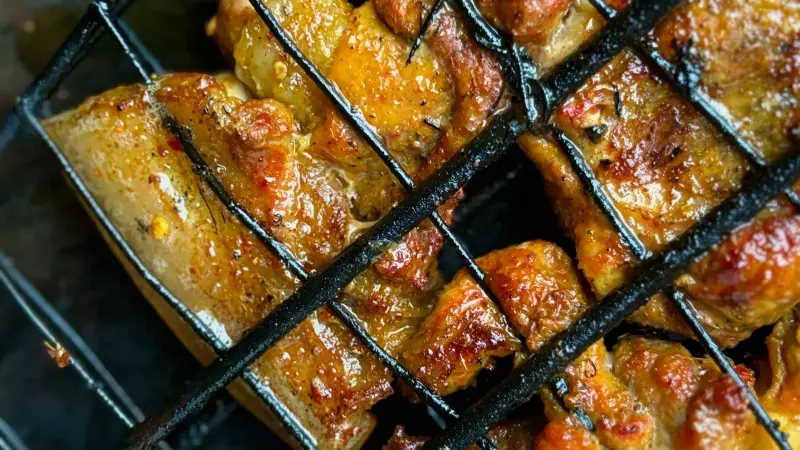
In the culturally rich and diverse landscapes of Northeast India, a unique culinary tradition has been woven into the fabric of daily life for generations. Above the slow-burning hearths in traditional stilt houses, strips of meat hang patiently, absorbing the thin blue smoke from fires kept alive for days. This practice, far more than a cooking method, is a profound connection to ancestry, ecology, and community.
The Heart of the Hearth: More Than Just Preservation
With over 200 distinct ethnic groups, Northeast India stands as one of the country's most culturally vibrant regions. Amidst this diversity, smoked meat emerges as a common culinary thread, binding various communities together. Chef Atul Lahkar, Assam's Chef Ambassador for the India Food Tourism Organisation and Vice President of the North East India Chef Association, emphasises its deep significance. "Smoking is not just a technique; it is a strong connection to the roots," he says. "Through smoking, we carry the wisdom of generations."
The tradition was born from necessity. The region's heavy rainfall and persistent humidity made food preservation a challenge long before refrigeration. While much of India turned to sun-drying, pickling, or heavy spicing, the forested Northeast naturally leaned towards smoking and fermentation. "Humidity and forest ecology naturally pushed us toward smoking," explains Lahkar. The ever-burning hearths in traditional homes doubled as perfect, natural smoke chambers.

One Region, Countless Techniques
Despite the unifying theme, each community has developed its own nuanced approach, shaped by local climate, landscape, and cultural practices. The choice of wood and smoking duration are critical factors influencing the final flavour, texture, and colour.
Diganta Saikia, co-founder of the heritage food brand Manxho, highlights the technical variations. "Broadly, there are two main techniques in northeast India," Saikia notes. "Either fresh meat is salted, cured, and smoked, or it is boiled first and then smoked, which gives it a different colour and texture." For the best results, he advocates curing the meat first, followed by slow smoking over a steady fire using the right wood.
The culinary identity here shares deeper roots with Southeast Asia than with mainland India. Migration patterns thousands of years ago brought preservation techniques like hearth-smoking and fermenting bamboo shoots from areas like Yunnan (China), Myanmar, Thailand, and Laos. These methods are mirrored in Naga, Mizo, Khasi, and Assamese kitchens today.
From Marginalised to Mainstream: A Culinary Rise
For decades, the depth of Northeastern cuisine remained conspicuously absent from India's mainstream food narrative. Geographic isolation, political factors, and reliance on hyper-local ingredients created a visibility gap. "While dishes like biryani and butter chicken gained popularity, northeastern cuisine remained rooted in local culture," observes Saikia.
However, a quiet revolution is now underway. Migration, pop-up kitchens, and dedicated restaurateurs are introducing these flavours to metropolitan India. In New Delhi, Hornbill restaurant, founded by Khevito Elvis Lee in 2015, was a pioneer. Lee aimed to make authentic Naga food accessible, and today, dishes like smoked pork with Axone (fermented soybean) are winning hearts.
In Mumbai, food curator Gitika Saikia faced initial skepticism but persisted with Gitika’s PakGhor. The pandemic became a turning point, with delivery orders surging and even attracting celebrity clientele like actor Anushka Sharma, which helped spark wider conversations. "It took time, but people eventually warmed up," she recalls.
Preserving Heritage in a Modern World
Urbanisation is changing traditional practices, with electric smokers and smart ovens replacing open courtyards. Yet, chefs see this as an opportunity for adaptation, not loss. "The key is balance: never compromise on the flavour, but adapt the technique," says Chef Lahkar.

Food researcher Sanjukta Das points out the evolution: "Smoking was quintessentially a preservation technique, but now it is done mostly to enhance flavours." Brands like Manxho are bridging the gap, bringing authentic smoked meats to tables across India while reviving forgotten recipes.
Diganta Saikia is optimistic about the future, believing that in the next five years, smoked meat will be recognised both as a heritage food and a growing culinary trend. The time-honoured practice, passed down through generations, continues to stand as a testament to adaptation and resilience. As the world discovers its rich, complex flavours, smoked meat remains one of Northeast India's most defining and proud culinary contributions.
A Glimpse Across the States
Nagaland: Pork is smoked for days over alder or oak, used with bamboo shoots and ghost chilli.
Mizoram: Meat is smoked briefly for tenderness, used in one-pot rice dishes.
Meghalaya: Khasi communities smoke cuts to a jerky-like texture; Garos smoke for months for storage.
Assam: Methods vary; Misings smoke above fireplaces, Ahoms smoke briefly before cooking with elephant apple.
Arunachal Pradesh: Tribes like Adi and Monpa use diverse methods for slow cooking or long storage.
Manipur: Meitei households smoke lightly; hill tribes smoke heavily for preservation.
Tripura: Intense smoking on bamboo racks, often paired with fermented fish.
Sikkim: Bhutia and Lepcha communities create mild, earthy flavours over traditional wood stoves.