

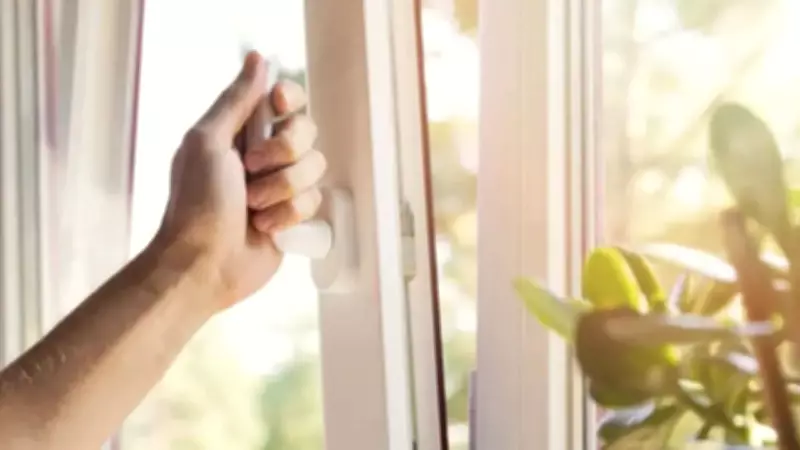
Opening Windows on Hot Days May Actually Heat Your Home, New Studies Reveal
On a scorching day, the instinctive reaction for many is to fling open the windows, hoping to invite a refreshing breeze into the room. This common practice appears to be a straightforward and effective method to cool down a stuffy house. However, emerging scientific evidence suggests that this well-intentioned habit might be counterproductive, potentially leading to increased discomfort, elevated humidity levels, and a warmer indoor environment.
Why Opening Windows Can Backfire During Peak Heat
According to a comprehensive study conducted at Beijing University of Technology, keeping windows open for extended periods, particularly during the hottest parts of the day, does not effectively cool rooms. While it may provide a temporary drop in temperature, the heat continues to accumulate inside. This occurs because walls, floors, and furniture absorb thermal energy throughout the day and gradually release it in the evening, contributing to a persistent buildup of warmth indoors.
The phenomenon of heat retention is a key factor in prolonging elevated temperatures within homes. This effect is especially pronounced in modern, well-insulated residences designed to maintain stable internal climates, inadvertently trapping heat instead of dissipating it.

Exacerbating Factors and Empirical Findings
The situation worsens when external temperatures are extremely high. If there is a significant disparity between outdoor and indoor conditions, opening windows allows hot air to infiltrate, disrupting any existing cool environment and nullifying potential relief. Research from Empa in 2024 demonstrated that prolonged exposure to hot outdoor air heightens the perception of warmth, regardless of the home's internal temperature.
Furthermore, a 2025 empirical study investigated the impact of window openings on sunny days. The results indicated that leaving windows open for too long can spike indoor humidity levels and boost cooling requirements by 20–30%, placing additional strain on air conditioning systems.
The Role of Sunlight and Heat Absorption
The influence of direct sunlight cannot be overlooked. Studies published in ScienceDirect confirm that sunlight streaming through windows heats indoor surfaces, thereby raising room temperatures. Similarly, scientists from AGH University of Krakow found that once heat is absorbed by walls and furniture, it becomes exceedingly difficult to remove, even with advanced cooling techniques.
Timing Is Crucial for Effective Ventilation
While opening windows is not inherently harmful, timing is paramount. Research from Lund University in 2023 highlights that people often open windows during cooler periods of the day, a practice that can help expel accumulated heat from homes. As noted by the U.S. Department of Energy, poor ventilation strategies can escalate cooling demands, forcing air conditioners to work harder to achieve a comfortable indoor setting.
The Smartest Strategy for Staying Cool
It is a widespread misconception that leaving windows open continuously aids in cooling homes. The most effective approach involves synchronizing ventilation with natural temperature fluctuations. Closing windows during peak daytime heat prevents excessive warmth from entering, while opening them when temperatures drop ensures optimal airflow and ventilation. In essence, the key is not whether to open windows, but when to do so for maximum benefit.

