

A dustbin is a commonly used appliance in any dwelling, but few homeowners pay attention to its placement within the household. While dustbins might seem insignificant, their location can significantly influence home sanitation. Improperly arranged dustbins can attract insects and germs, generating bad smells that spread throughout the house. Home organization experts claim that proper dustbin placement facilitates easier waste management and better sanitary conditions. Below are five key locations for placing a dustbin in a household.
Place Kitchen Dustbins Near Cooking Surfaces but Away from Food
As kitchens are a primary source of household waste, a properly placed dustbin in this area is essential. However, experts advise against placing a dustbin close to cooking surfaces or dining tables, as it could contaminate food or attract insects. Instead, placing a covered dustbin under the kitchen sink or inside a cabinet helps contain smells. This solution improves organization and kitchen hygiene simultaneously.
Avoid Placing Dustbins Near Doors or in Living Rooms
Although placing dustbins near the door or in a living room corner may seem convenient, experts discourage this approach. Dustbins in visible areas can spread odors throughout the house. Moreover, in high-traffic spots, people are more likely to notice scattered dust or litter. Home organization professionals recommend placing dustbins discreetly in utility areas or other accessible yet hidden locations.

Use Closed Dustbins in Bathrooms for Hygiene
Bathrooms require dustbins for storing hygienic products and tissues. Experts recommend using closed dustbins in bathrooms to reduce smells, prevent bacteria spread, and improve hygiene. It is best to place a dustbin near toilets or washbasins rather than in the middle of the room. Regular cleaning and timely disposal of contents are necessary, as bathroom waste often contains moisture.
Choose Well-Ventilated Areas for Large Dustbins
Large dustbins should be placed in well-ventilated areas such as service balconies, backyards, or utility corners. Ventilation helps reduce odors and limits harmful bacteria growth. Experts advise keeping large dustbins away from main living areas to minimize smells. When placed outdoors, dustbins should be protected from rain and direct sunlight to prolong their lifespan and maintain hygiene.
Use Separate Dustbins for Easy Waste Segregation
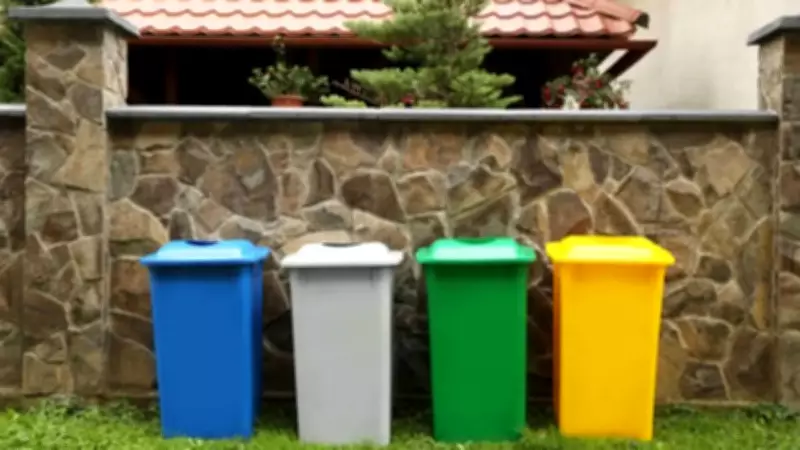
In modern households, segregating waste has become increasingly common. Therefore, experts recommend using multiple dustbins for this purpose. Separate bins help segregate recyclable waste from general waste, making disposal more convenient. Additionally, using separate dustbins reduces the number of smells generated. All bins should be placed next to each other in a designated area to promote better waste management.

