

Enhancing Protein Intake with Paneer and Vegetarian Foods
For vegetarians seeking a protein-rich diet, paneer stands out as a top choice, offering approximately 18 to 20 grams of protein per 100-gram serving. Protein is a vital nutrient essential for building and repairing the body, improving enzyme, hormone, and antibody production, supporting muscle strength, aiding in weight management by promoting satiety, and maintaining healthy bones and tissues. However, many vegetarians wonder how to further boost their protein intake using only plant-based foods. This article explores six additional vegetarian foods that can be combined with paneer to enhance protein consumption, along with the right ways to incorporate them into meals.
Soy Chunks: A Protein Powerhouse
Protein Content: 50 grams of dry soy chunks provide 26 to 28 grams of protein.
How to Consume: Combine soy chunks with paneer to create a protein-rich salad, or add them to pulao or biryani for a hearty dish. For children, blend both ingredients into a paste and mix with wheat flour to make protein-enriched roti or paratha, ensuring a nutritious meal that is easy to digest.

Sprouts: Nutrient-Dense and Gut-Friendly
Protein Content: One cup of cooked sprouted legumes offers 14 to 16 grams of protein.
How to Consume: Pair sprouts with paneer in a colorful salad or sauté them together for a dry side dish. They also serve as an excellent stuffing for moong dal chilla, providing a filling and gut-friendly option that supports digestive health.
Peanuts: Versatile Plant Protein
Protein Content: Two tablespoons of peanuts contain about 7 grams of protein.
How to Consume: Combine paneer and peanuts with a tadka of mustard seeds and curry leaves for a healthy salad. Add crushed peanuts to paneer tikkas, sabzis, or chaat to enhance texture and boost plant protein. For a protein-rich smoothie, blend soaked and skinned peanuts with berries and milk, creating a delicious and nutritious beverage.
Mushrooms: Low-Calorie Protein Source
Protein Content: One cup of cooked mushrooms provides around 4 grams of protein.
How to Consume: Mix 100 grams of paneer with mushrooms to achieve approximately 22 to 25 grams of protein. Sauté them together for a filling stir-fry or add to clear soups like lemon coriander for a complete meal. Finely chop and sauté mushrooms with paneer to make sandwiches, tacos, or wraps with leafy greens, offering a versatile and healthy option.
Chickpeas: Fiber-Rich Protein Boost
Protein Content: One cup of cooked chickpeas delivers 14 to 15 grams of protein.
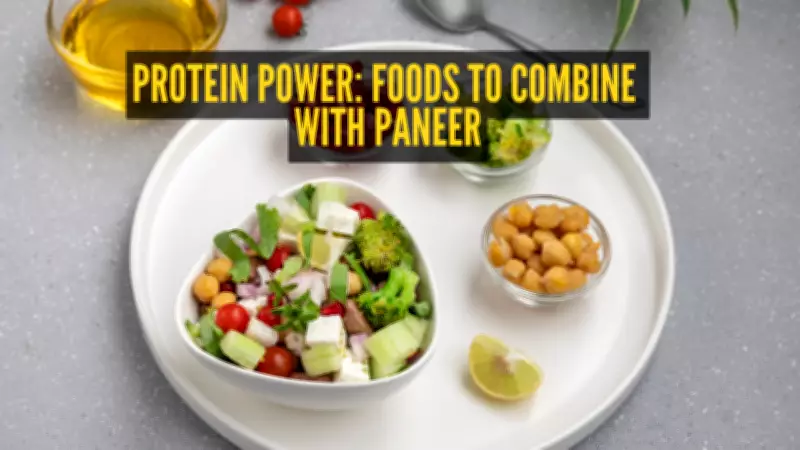
How to Consume: Create a salad by combining chickpeas with paneer, spices, lemon juice, and coriander. Use the same mixture as a stuffing for sandwiches or blend it with olive oil to make a protein-rich dip for wraps and crackers, adding both flavor and nutrition to your snacks.
Moong Dal: Light and Digestible Protein
Protein Content: One cup of cooked moong dal contains about 14 grams of protein.
How to Consume: The best way to enjoy moong dal with paneer is by making chilla with the dal and stuffing it with paneer and spices. Alternatively, prepare a salad with soaked and boiled dal tossed with paneer and spices, offering a light and protein-packed meal that is easy on the stomach.
By incorporating these six vegetarian foods with paneer, you can significantly enhance your protein intake, supporting overall health and wellness in a delicious and sustainable manner. Always ensure proper preparation methods to maximize nutritional benefits and enjoy a balanced diet.

