

The Hidden Culinary Mistake in Your Kitchen Drawer
Think back to the last time you searched through a cluttered kitchen drawer for a chef's knife. If you found yourself sifting through a chaotic mix of spatulas, whisks, and bulky spoons before locating it, you may have unknowingly committed a fundamental error in culinary practice. This common oversight goes beyond mere inconvenience—it directly impacts the longevity and performance of your essential kitchen tools.
Why Drawer Storage Damages Your Knives
While most home cooks focus on proper knife handling techniques during food preparation, professional chefs emphasize that where you store your knives is equally critical for preserving their sharp edges. A high-quality knife can serve you faithfully for decades, but careless storage in a crowded drawer can compromise its effectiveness within mere weeks.
The primary culprit behind this rapid deterioration is micro-abrasion. When knife blades constantly rub against other metal utensils in a drawer, they develop microscopic nicks and folds in the metal structure. These imperfections are invisible to the naked eye, but their consequences become painfully apparent when you struggle to slice through a ripe tomato or find your cutting motions unexpectedly halted.

Beyond the blunting effect, an overstuffed, disorganized drawer presents genuine safety hazards. Your fingers can easily encounter sharp edges or pointed utensils when reaching into the chaos, increasing the risk of accidental stabbings and cuts during routine kitchen activities.
Storage Versus Sharpening: What Matters More?
Many people mistakenly believe knives become dull primarily through cutting vegetables and fruits. However, as reported by The Washington Post, storage conditions actually play a more significant role in knife edge deterioration than regular use. The newspaper cites culinary experts who confirm that keeping knives separated from each other represents the optimal approach for maintaining their sharpness over time.
Professional chefs frequently turn to magnetic knife holders as their storage solution of choice. These magnetic strips allow knives to hang visibly while ensuring their delicate edges contact only the magnets themselves—effectively preventing blade damage. Additionally, this storage method promotes better hygiene by enabling air circulation around each knife, facilitating complete drying after washing.
Practical Storage Solutions for Every Kitchen
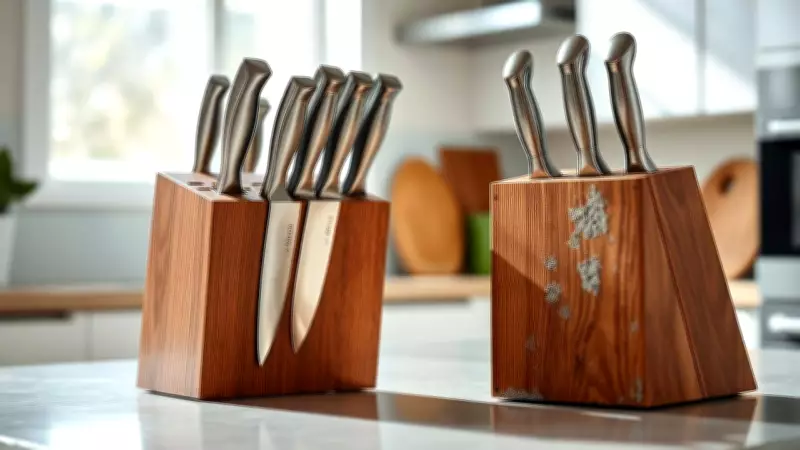
For those who prefer keeping countertops clear, traditional knife blocks remain a viable option when used correctly. The key lies in thoroughly cleaning and completely drying knives before inserting them into the slots. Leaving a damp knife in a wooden block creates an environment ripe for mold development and rust formation on the blade surface. Opt for durable hardwood blocks made from materials like acacia or walnut to provide maximum protection for your investment.
Even budget-conscious cooks can protect their knives effectively. Inexpensive edge guards crafted from cork or plastic can sufficiently isolate knife blades when drawer storage is unavoidable. The fundamental principle remains consistent: protecting the cutting edge from contact with other objects makes the crucial difference between a well-maintained tool and a damaged one.
The Science Behind Superior Cutting Performance
Neglecting proper utensil care extends beyond creating dull edges—it negatively affects both mental and physical wellbeing during food preparation. The Washington Post article explains that blunt knives require significantly more effort to use, substantially increasing the likelihood of accidental cuts as cooks apply excessive pressure that risks blade slippage on ingredients like onions and peppers.
Conversely, properly maintained sharp knives enable effortless slicing while minimizing injury risks. The cutting edge of a professional-grade knife has been honed to a razor-like thinness finer than a human hair strand—making it particularly vulnerable to damage when stored alongside metal ladles and other utensils.

Transforming Your Kitchen Habits
Many households continue using junk drawers for cutlery storage due to insufficient education about proper techniques. Casual cooks often assume knives are virtually indestructible, overlooking their delicate construction. Following guidelines from sources like Food Network, consistent practices including hand washing, thorough drying, and appropriate storage distinguish disorganized cooks from efficient ones.
By treating knives as valuable instruments worthy of careful maintenance, you'll spend less time struggling with food preparation while enjoying the cooking process more fully. Proper storage represents a small investment that yields substantial returns in kitchen safety, efficiency, and culinary satisfaction.
