

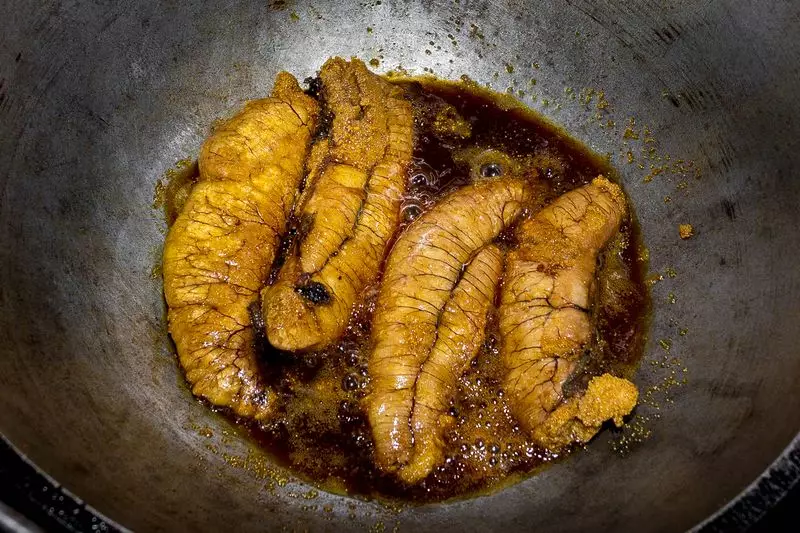
A rare and highly prized culinary treasure has made its way to the bustling fish markets of Kolkata, sending waves of excitement among seafood connoisseurs and chefs alike. A special consignment of Hilsa fish, carrying eggs (known as 'roj' or 'jatka'), has arrived from Bangladesh, offering a seasonal delicacy that is celebrated for its exceptional flavour and texture.
The Golden Catch: What Makes Egg-Bearing Hilsa Special?
This particular variety of Hilsa is considered the pinnacle of the species for gourmet eating. The fish, caught during the monsoon breeding season as they swim upstream from the Bay of Bengal to the Padma River, are prized for the rich, creamy eggs they carry. These eggs, or roe, are not just a bonus but are believed to enhance the overall flavour profile of the fish, making it richer and more succulent.
The arrival of this consignment is a carefully timed event. The fish were sourced from Bangladesh and transported to Kolkata, where they are now being sold at a premium. The presence of eggs signifies the peak of the Hilsa season and represents a short window of opportunity for those seeking the ultimate Hilsa experience.

Market Dynamics and Premium Pricing
The rarity and demand for this delicacy are directly reflected in its market price. Reports indicate that this egg-bearing Hilsa is commanding a price between Rs 2,500 to Rs 3,000 per kilogram in select Kolkata markets. This is a significant premium over regular Hilsa, which itself is a valued fish.
The high cost is attributed to several factors: the specific breeding phase of the fish, the logistical efforts involved in sourcing and transporting them fresh from Bangladesh, and the intense demand from a niche segment of buyers who value quality over cost. For many Bengali households and high-end restaurants, this annual arrival is a much-anticipated event, justifying the expense for festive meals or special occasions.
A Seasonal Tradition with Culinary Significance
The consumption of Hilsa, or 'Ilish', is deeply woven into the culinary and cultural fabric of Bengal. The monsoon season is traditionally associated with enjoying this fish. The egg-bearing variant, however, is the crown jewel. It is typically prepared using traditional methods that highlight its natural taste—often steamed in a mustard paste ('Ilish Bhapa') or cooked in a light curry.
Food experts and veteran chefs note that the texture of the fish during this stage is at its best, and the eggs add a unique, melt-in-the-mouth quality that is incomparable. This consignment serves as a reminder of the region's rich gastronomic heritage and the lengths to which enthusiasts will go to procure the finest ingredients.
Implications and the Future of the Delicacy
While the arrival is a cause for celebration, it also brings focus to topics of sustainable fishing and conservation. Hilsa populations have faced pressures from overfishing and environmental changes. The trade of this specific, breeding-stage fish is a sensitive subject, with regulations in place in both India and Bangladesh to protect the species during crucial spawning periods.
The legal import through proper channels, as seen with this consignment, indicates a regulated trade that aims to balance gourmet demand with ecological responsibility. For now, Kolkata's food lovers are seizing the moment, indulging in a fleeting luxury that defines the essence of monsoon dining in the region. This event underscores the city's status as a hub for specialised gourmet markets and its enduring love affair with the king of fish.






