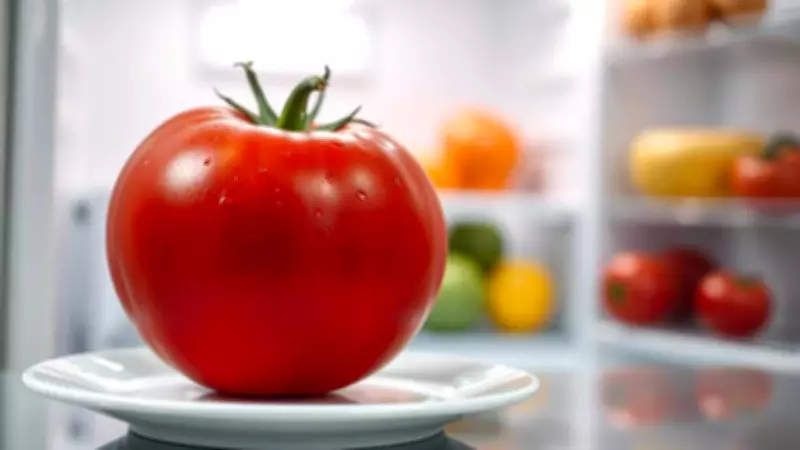
The Disappointing Truth About Refrigerated Tomatoes
There is a particular letdown when you take a large bite from a beautifully red, perfectly shaped tomato only to find it completely lacking in taste. While it may appear flawless on the outside, the interior often turns out mealy and flavorless, missing the sun-kissed, freshly-picked essence that defines a genuine tomato. Many people instinctively blame supermarkets or soil quality, but the real culprit might be much closer to home—specifically, inside your kitchen refrigerator.
The Refrigerator: A Flavor Tomb for Tomatoes
Our natural tendency is to place fruits and vegetables in the refrigerator immediately after purchase to prevent spoilage. However, for tomatoes, the crisper drawer acts as a tomb for their vibrant flavor. Refrigerating tomatoes can be compared to muffling a lively orchestra into hushed whispers. They may still look fresh externally, but their maturation process has been disrupted, resulting in a loss of sweetness and depth. This is not merely a culinary myth; substantial scientific evidence supports this phenomenon.
The Science Behind Flavor Loss in Chilled Tomatoes
A tomato's flavor profile is not solely dependent on sugar or acid content. Instead, it hinges on volatile compounds that generate a unique aroma when consumed. Scientific research indicates that refrigeration halts the production of these essential flavor compounds. Even more frustrating is that this damage is typically permanent. Studies have shown that even when tomatoes are returned to room temperature to allow for recovery, they fail to regain their full flavor profile. Cold temperatures cause irreversible harm to the chemical structures within the fruit.

A research paper titled Temperature-induced changes of flavor and odour-active compounds of tomato details how chilling disrupts the balance of twenty-one distinct odor compounds, leading to a bland, watery taste. This chemical imbalance is a primary reason why refrigerated tomatoes often taste insipid compared to their room-temperature counterparts.
How Cold Storage Ruins Tomato Texture
Texture suffers significantly when tomatoes are stored in the refrigerator. As tropical plants, tomatoes are ill-suited to the adverse conditions caused by chill injury at temperatures around 4°C. Low temperatures cause cellular membranes to rupture, resulting in a mealy, unappealing texture. The timing of harvest also plays a critical role in how tomatoes respond to cold exposure.
Research published in the journal Foods observed that tomatoes picked before full ripeness are even more susceptible to cold damage. Placing a slightly green tomato in the refrigerator does not just slow ripening—it essentially halts the process entirely, ensuring the fruit never reaches its flavor potential.
Optimal Storage Practices for Maximum Flavor
For the best flavor, keep tomatoes at room temperature, away from direct sunlight. Overripe tomatoes are ideal for making sauces or can be frozen for future use in stews and soups. To achieve superior DIY results at home, treat tomatoes like fine wine rather than perishable dairy. Store them on the counter in a single layer, stem-side down, to prevent bruising. If you have a large garden harvest, this method helps maintain quality.
If your kitchen is overflowing with overripe tomatoes that are not yet suitable for composting, transform them into tomato sauce or freeze them for later culinary applications. By respecting the ideal temperature range for tomatoes, you preserve their distinctive taste. Next time you consider reaching for the refrigerator door, remember that the counter is where truly superior tomatoes belong.