

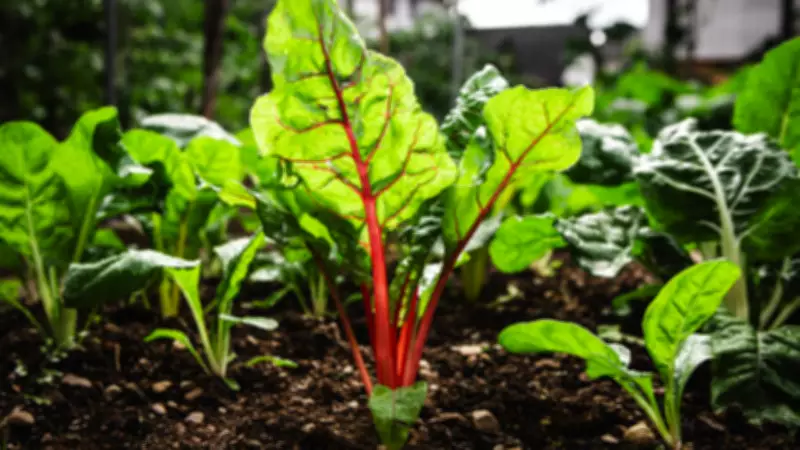
Rhubarb: The Timeless Garden Treasure That's Surprisingly Simple to Cultivate
Rhubarb often evokes a nostalgic, old-fashioned charm, reminiscent of grandmothers tending to it in garden corners and transforming its stalks into delicious summer crumbles. Yet, this very quality makes it an exceptional choice for modern gardeners. It's a resilient, low-maintenance plant that returns faithfully each year, requiring minimal effort once established. For those new to gardening, rhubarb serves as an ideal and forgiving introduction to cultivating your own produce.
Getting Started: Crowns Versus Seeds for Optimal Growth
Most gardeners opt to grow rhubarb from crowns rather than seeds, and this preference is well-founded. Crowns are small root sections with a bud on top, allowing for much faster establishment compared to seeds. Typically available at garden centers in late winter or early spring, they provide a head start. If you choose the seed route, be prepared for a longer wait; rhubarb grown from seed takes more time to develop, and you'll see minimal harvest in the initial years.
Plant your crown in early spring as the soil begins to warm. Dig a hole deep enough so the bud sits just at or slightly above soil level. Planting too deep can cause rot, while too shallow may lead to drying out. Aim for about an inch or two above the surface for optimal results.

Ideal Conditions and Essential Care for Thriving Rhubarb
Rhubarb thrives in full sun but can tolerate partial shade, so don't worry excessively about finding the perfect spot. The critical requirement is good drainage, as it dislikes waterlogged soil. If your garden tends to retain water after rain, consider raising the bed slightly or mixing in compost to enhance drainage before planting.
Provide ample space for each plant, as mature rhubarb can spread about a meter wide. Avoid crowding them with other plants and select a permanent location, as rhubarb prefers not to be moved once settled. A well-established plant can continue producing for over a decade, making it a long-term garden investment.
The Crucial First-Year Rule for a Bountiful Harvest
Patience is key with rhubarb: refrain from harvesting anything in the first year. Although it may be tempting when thick red stalks appear, the plant needs this initial growing season to strengthen its root system. Harvesting too early can weaken it before it's properly established. Wait, and you'll be rewarded with a more generous yield the following spring.
In the second year, harvest lightly. By the third year, you can freely pick stalks from late spring through midsummer. Always leave at least one-third of the stalks on the plant to ensure it continues to nourish itself and sustain future growth.
Important Safety Tips and Low-Maintenance Benefits
Remember that only the stalks of rhubarb are edible; the leaves are toxic to both humans and pets. Cut them off and compost them, but never use them in cooking. Beyond this, rhubarb is genuinely low-maintenance. Water it during dry periods, apply a general fertilizer in spring, and it will reliably produce season after season with little intervention.

