

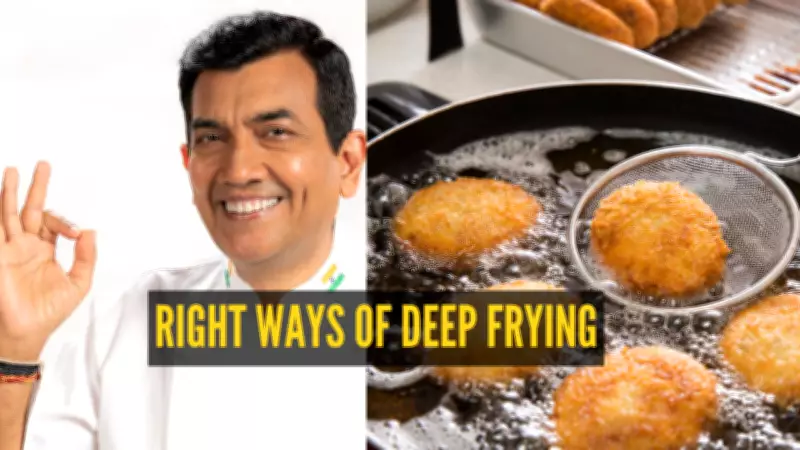
Mastering the Art of Deep Frying: Sanjeev Kapoor's Expert Guide
Deep-fried foods hold a cherished place in the diverse tapestry of Indian regional cuisines. From the crispy samosas of North India to the golden kachoris of Rajasthan and the sweet indulgence of gulab jamun, this cooking method is celebrated across the subcontinent. While often labeled as unhealthy, deep frying, when executed correctly, can yield results as delightful as baked or steamed dishes. The key lies in understanding the proper techniques and adhering to smart guidelines. Renowned celebrity chef Sanjeev Kapoor has generously shared a comprehensive list of ten expert tips and tricks for deep frying that promise to elevate your culinary results. Let's delve into these invaluable insights.
1. Selecting the Appropriate Oil
Choosing the right oil is paramount for successful deep frying. According to Chef Sanjeev, oils with a neutral flavor are generally preferred, though the choice may vary based on the dish being prepared. For instance, in West Bengal, mustard oil is favored due to its health benefits and high smoking point. Ensuring you select the correct oil for your specific fried food is crucial for optimal results.
2. Maintaining Optimal Oil Temperature
Temperature control is essential in deep frying. The oil must be heated to just the right temperature, which can depend on the type of food. Frying in excessively hot oil may cook the outer crust while leaving the interior raw. Conversely, if the oil is not hot enough, the food will absorb excessive oil, making it heavy and greasy. Striking the perfect balance is key.

3. Draining Excess Water Thoroughly
When preparing ingredients that have been soaked in water, it is imperative to completely drain off any excess moisture. Oil and water do not mix, and introducing water into hot oil can cause dangerous sputtering, posing a risk of burns. Chef Sanjeev emphasizes the importance of caution in this step to ensure safety and quality.
4. Avoiding Overcrowding in the Pan
Frying too many pieces at once can lead to uneven cooking. Overcrowding the pan disrupts the maintenance of consistent temperature, often resulting in half-cooked ingredients. Additionally, adequate space is necessary to flip the pieces, ensuring they are fried evenly on both sides for a uniform texture.
5. Testing Oil Temperature Accurately
Chef Sanjeev recommends a simple yet effective method to check if the oil is ready for frying. Drop a small testing portion, such as a bit of batter, into the oil. If it rises to the surface immediately, the oil is sufficiently heated. If it sinks or rises slowly, the oil needs more time to reach the ideal temperature.
6. Managing Bread Crumbs and Coatings
Many deep-fried dishes are coated with semolina or breadcrumbs to achieve a satisfying crunch. A common issue is these crumbs falling off and settling in the oil. To prevent this, ensure the crumbs are properly adhered by dipping the food in corn starch before coating. Additionally, dust off any excess crumbs before frying to avoid disintegration in the pan.
7. Exercising Patience During Frying
Deep frying requires patience and attentiveness. If the oil is at the correct temperature, frequent flipping is unnecessary; one or two turns should suffice. Excessive handling can cause the food to break apart in the pan, compromising both appearance and texture.
8. Choosing the Right Equipment
The tools you use can significantly impact the frying process. Chef Sanjeev advises using a perforated spoon for frying, as it allows excess oil to drain effectively, resulting in less oily food. He also recommends a non-flat bottom pan, which requires less oil and promotes better frying outcomes.
9. Maintaining Hygiene Between Batches
Hygiene is crucial in cooking. Chef Sanjeev suggests cleaning the oil after each batch of frying. For example, when frying items like masala puri, particles such as onion or coriander may settle in the pan. Removing these burnt particles ensures they do not stick to subsequent batches, preserving the flavor and quality of the food.

10. Ensuring Uniform Size of Ingredients
Consistency in the size of the items being fried is essential for even cooking. When all pieces are of similar size, they will fry at the same rate, making the process more manageable and ensuring that each piece is perfectly cooked. This attention to detail simplifies frying and enhances the final dish.
By following these ten expert tips from Chef Sanjeev Kapoor, you can master the art of deep frying, achieving dishes that are not only delicious but also prepared with greater care for nutrition and technique. Embrace these guidelines to transform your frying experience and enjoy the crispy, golden results that define Indian culinary traditions.
