

Essential Soil Mix Tips for Healthy Plant Growth: A Comprehensive Guide
Healthy plants rely on more than just sunlight and water; the foundation of robust growth begins with the right soil mix. Whether you are cultivating indoor plants, balcony greens, or a small garden, soil quality plays a pivotal role in plant vitality. A well-crafted soil mix ensures proper drainage, nutrient supply, and root support, all critical for strong and healthy development. Many beginners overlook soil composition, but even the finest plants can struggle in subpar soil. Mastering the art of creating an optimal soil mix can significantly enhance plant health and longevity. Here are practical and effective strategies to help you prepare the best soil mix for your plants.
Base Soil: The Foundation of Growth
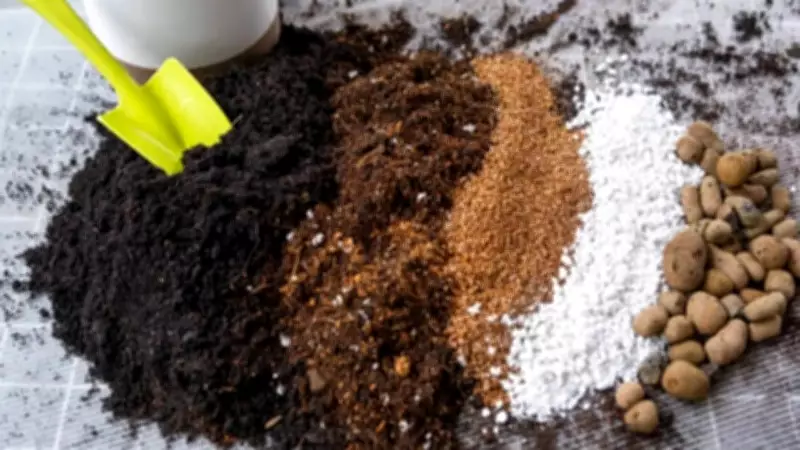
Base soil is a fundamental component in crafting an effective soil mix. Typically, it consists of garden soil or potting soil, both rich in natural minerals and nutrients essential for the plant life cycle. However, plain soil can hinder root development if it is too dense. Therefore, selecting loose and well-aerated soil as the base is crucial. Its primary function is to create an environment where roots can expand freely, promoting healthy growth from the ground up.
Compost for Nutrient Enrichment
While base soil provides initial nutrients, these deplete over time, rendering the soil less fertile. To counteract this, incorporate compost into your mix to supply additional nutrients like nitrogen, potassium, and other vital minerals. Organic compost, such as kitchen waste compost or vermicompost, also boosts beneficial microorganisms, which are indispensable for sustaining plant health and vitality.

Ensuring Drainage with Sand and Perlite
Proper drainage is essential to prevent over-watering, which can lead to root rot and plant death. Including sand or perlite in your soil mix creates spaces for excess water to drain away efficiently. This not only prevents waterlogging but also ensures roots receive adequate air, facilitating normal development and reducing the risk of disease.
Water Retention with Coco Peat
In contrast to drainage elements, water retention is achieved by adding coco peat to the mix. Unlike sand, coco peat retains moisture in the soil while still allowing for free water flow. This ensures plants remain hydrated during hot days or occasional water shortages, maintaining necessary soil moisture levels for consistent growth.
Customizing Soil Mix for Plant Types
Different plants have specific soil requirements. For example, cactus plants thrive in mixes with high sand content and minimal water-retentive materials, while flowering plants benefit from abundant compost. Leafy plants require a balanced approach between water retention and soil density. Tailoring your soil mix to the plant type is key to optimizing growth and health.
Preventing Soil Compaction
Compacted soil impedes root growth and slows nutrient absorption. To avoid this, regularly loosen the soil to allow plants to breathe and develop properly. Additionally, avoid compressing soil during potting, as this restricts root expansion. Maintaining loose soil ensures plants do not encounter issues related to compaction, promoting healthier root systems.
Renewing and Replacing Soil Mix
Over time, soil nutrients diminish, making it less suitable for plant growth. To address this, refresh the soil by adding new compost or replacing parts of the mix periodically. This practice ensures plants continue to receive essential minerals, supporting long-term health and vitality. Regular renewal helps sustain a fertile environment for ongoing plant success.

