The Hidden Dangers in Summer's Favorite Fruit
Watermelons reign as one of the most beloved fruits during the scorching summer months, prized for their refreshingly sweet flavor and exceptionally high water content that provides natural cooling relief. However, a disturbing trend has emerged in recent years, where unscrupulous vendors have been found to dye or inject watermelons with artificial substances to enhance their visual appeal and perceived sweetness. This deceptive practice poses significant health risks to unsuspecting consumers, making vigilance during fruit selection absolutely essential.
Why Chemical Treatment of Watermelons Is Alarmingly Common
The motivation behind adulterating watermelons stems from commercial greed—artificial dyes can make the flesh appear vibrantly red, while injections may artificially boost sweetness to meet consumer expectations. Many shoppers overlook the critical signs of tampering, unaware that simple observational techniques and basic home tests can reveal whether their fruit is natural or chemically processed. Distinguishing between authentic and adulterated watermelons might seem challenging initially, but by carefully examining color, texture, seed characteristics, and performing straightforward tests, anyone can become proficient at identifying safe produce.
Comprehensive Guide to Detecting Artificial Watermelons
Analyze Color and Visual Appearance: A fundamental method involves scrutinizing the watermelon's coloration. Naturally grown watermelons typically exhibit an irregular, somewhat muted red hue rather than an unnaturally bright, uniform red. If the fruit's color appears excessively vivid or perfect, it strongly suggests artificial enhancement through dyes.

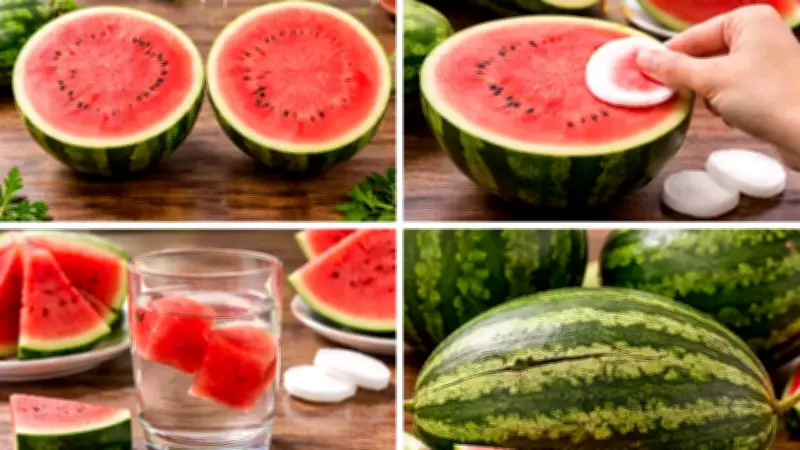
Conduct the Cotton Ball Test: Food safety experts frequently recommend this rapid assessment technique. Simply cut open the watermelon and gently wipe its flesh with a white cotton ball or tissue. If the cotton absorbs red pigment, artificial dyes are likely present. No color transfer indicates the fruit is organic and untreated.
Perform the Water Test at Home: Another effective procedure involves placing small pieces of watermelon flesh into a clear glass of water. If the water rapidly turns reddish, chemical dyes have probably been used. Authentic, natural watermelons will not release color into the water, making this a quick and reliable verification method.
Examine Seed Characteristics: Seed inspection offers valuable clues about a watermelon's authenticity. Naturally developed seeds are typically black or dark brown. Seeds that appear reddish, pale, or discolored may indicate chemical treatment or adulteration.
Assess Texture and Firmness: Chemically injected watermelons often display inconsistent textures. Be wary of fruits that feel unusually soft in some areas while remaining firm in others, as natural watermelons generally maintain uniform firmness throughout.
Search for Injection Marks or Surface Anomalies: Carefully inspect the watermelon's exterior for tiny holes, minute cracks, or unusual markings. These could be injection sites where chemicals were introduced. Experts advise avoiding any fruit exhibiting such suspicious surface irregularities.
Health Implications of Consuming Adulterated Watermelons
While chemical treatments might temporarily improve a watermelon's marketability, consuming these adulterated products can lead to serious health consequences. Certain artificial dyes and injected substances may trigger digestive disturbances, allergic reactions, or other adverse health effects. By developing awareness and applying these simple detection techniques, consumers can confidently select safe, natural watermelons and fully enjoy their nutritional benefits without health compromises.
Ultimately, informed purchasing decisions combined with basic home testing empower individuals to protect themselves and their families from food adulteration risks. As summer approaches, spreading knowledge about these verification methods becomes increasingly important for public health and food safety awareness.