

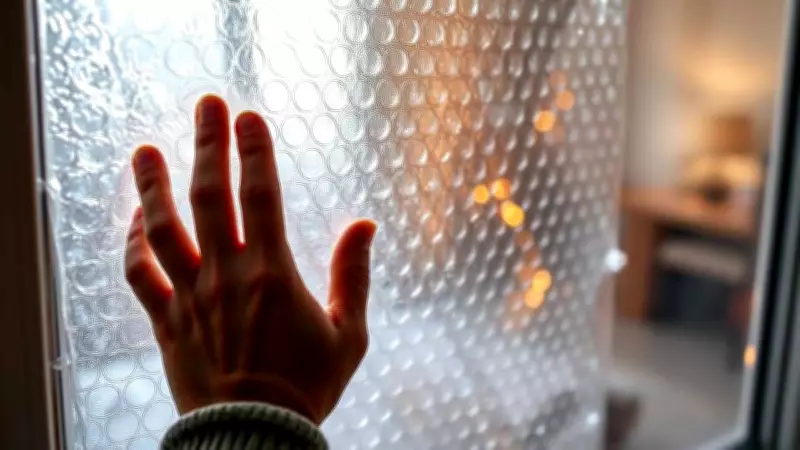
Bubble Wrap to Blinds: Simple Hacks to Stop Winter Heat Loss Through Windows
As winter sets in, many people fall into a familiar routine: adjusting the thermostat, bundling up in warm sweaters, and meticulously locking windows to keep the cold at bay. We often believe that locking windows seals out the chill, but even with insulated rooms and tightly shut panes, a persistent breeze often sneaks through gaps in the glass. This issue isn't solely due to aging frames or faulty seals; even modern glass allows significant heat flow. Despite being encased in sturdy walls, a single pane of glass offers limited resistance to temperature differences, remaining relatively thin and enabling heat to escape toward colder surfaces. Scientists are now exploring creative, low-cost solutions to mitigate these losses, with one potential answer possibly hiding in your garage: bubble wrap insulation.
Bubble Wrap Insulation: An Unexpected Savior
While using polyethylene bubble wrap as thermal insulation might seem like an improvised fix, it's grounded in solid scientific principles. Research published in the International Journal of Thermal Sciences indicates that this common packing material can provide effective thermal protection. Its efficiency stems from the air chambers within the bubbles, which create a highly porous structure with minimal thermal conductivity compared to plain glass.
Applying a layer of bubble wrap to the back of a window mimics the effect of double-glazed windows at a fraction of the cost. The static air bubbles prevent convective currents from carrying body heat away near the cold window surface. Moreover, it remains transparent, allowing visibility. Even simple practices like closing interior blinds at night can serve as effective barriers, helping keep homes warmer and utility bills lower. Researchers are actively investigating innovative ways to enhance window thermal performance beyond these basic methods.

Addressing Hidden Leaks and Installation Flaws
Beyond the well-known issues with glass, hidden leaks in window frames are also a major concern for heat loss. Even the smallest gap in a closed window frame can lead to substantial heat leakage. According to a study titled Role of airtightness in energy loss from windows: Experimental results from in-situ tests, sealing these gaps and using airtight materials like window covers can reduce heat losses by approximately 33%. This highlights that while glass type is important, proper window installation is crucial for preventing excessive energy consumption.
Daily Practices to Retain Heat and Cut Costs
Though taping bubble wrap to windows might appear drastic, there are simpler, everyday strategies to conserve energy and save money. For instance, interior decorating choices can enhance thermal insulation. Roller shades and Venetian blinds not only provide privacy but also act as additional insulation barriers.
Scientific trials in cold climate zones have demonstrated that fully closing internal roller shades at night can reduce window heat loss by more than 11%. The effectiveness depends on the snug fit between the shade and the window, which minimizes air movement and prevents cold glass from chilling the room. This zero-cost habit can significantly boost comfort during the darkest winter months.
For those planning future homes, windows are evolving into devices that regulate temperature using integrated fluids. The key takeaway is clear: windows do more than admit sunlight; they play a vital role in room climate control. By blocking air leaks, installing insulating curtains, or even using bubble wrap insulation, you can heat your space more efficiently without incurring high costs.

