

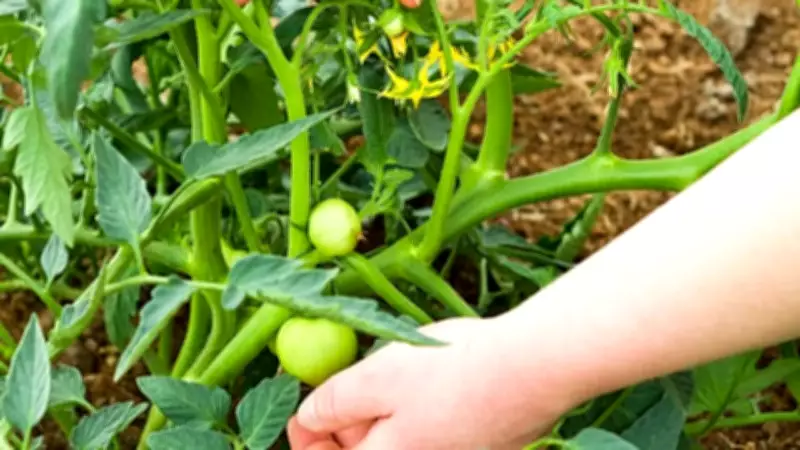
Master Tomato Gardening: Optimal Timing, Soil Mix & Expert Growth Tips
Growing tomatoes is a favorite pursuit for gardeners worldwide, prized for their versatile culinary uses and relatively straightforward care requirements. However, many enthusiasts fall short of achieving bountiful harvests due to common oversights during planting or the growth cycle. To overcome these challenges and cultivate robust, productive plants, adhering to fundamental guidelines is essential. This comprehensive guide delves into the critical aspects of tomato cultivation, from timing to troubleshooting.
The Ideal Time to Plant Tomatoes
Timing is a pivotal factor in the successful cultivation of tomatoes. These plants flourish in warm climates, requiring minimum temperatures between 20°C and 30°C for optimal development. It is generally advised to initiate planting during moderate weather conditions to avoid stress on the plants. In India, the prime window for planting tomatoes spans from late winter through midsummer, typically avoiding the extremes of cold or intense heat. By aligning planting with these periods, gardeners can significantly enhance their chances of a thriving crop.
Creating a Perfect Soil Blend
Soil quality profoundly impacts the health and yield of tomato plants. For best results, prepare a balanced mixture comprising equal parts of garden soil, compost, and either sand or coco peat. The compost supplies essential nutrients, while the sand or coco peat ensures proper aeration, preventing soil compaction. Aim for a loose, moderately acidic soil texture, free from pebbles or rocks, to facilitate root growth and nutrient absorption. This blend creates an ideal environment for vigorous plant development.

Planting and Spacing Tips
Proper spacing is crucial, especially when growing tomatoes in containers. Allow sufficient room between plants to promote healthy growth and reduce disease risk. Sow seeds at a depth of approximately half an inch, and if using pots, select those with a diameter of 12 to 15 inches to accommodate root expansion. Transplant seedlings to their permanent locations once they reach 2 to 3 inches in height. Adequate spacing not only prevents overcrowding but also minimizes the spread of plant diseases.
Proper Watering and Support System
A common mistake in tomato care is overwatering, which can lead to root damage and fungal issues. Instead, maintain consistent soil moisture, particularly during the flowering and fruiting stages. Tomatoes thrive with 6 to 8 hours of direct sunlight daily, which is vital for photosynthesis and fruit development. Additionally, providing sturdy supports, such as stakes or cages, helps plants bear the weight of growing fruit and improves air circulation, further enhancing productivity.
Fertilization and Pest Control
Regular fertilization is key to sustaining healthy tomato plants. Apply compost or vermicompost once or twice monthly to replenish nutrients, and consider potassium-rich fertilizers to boost flower and fruit production. Vigilance against pests is equally important, as infestations can severely impact plant health. Utilize natural repellents like neem oil to manage common pests effectively, ensuring your plants remain robust and productive throughout the season.
Disclaimer: This article is for general informational purposes only. The tomato growing tips provided are based on standard gardening practices and may vary based on climate, soil conditions, and regional factors. Readers are encouraged to adapt these suggestions to their local environment and consult professional gardeners or agricultural experts for tailored advice.

