

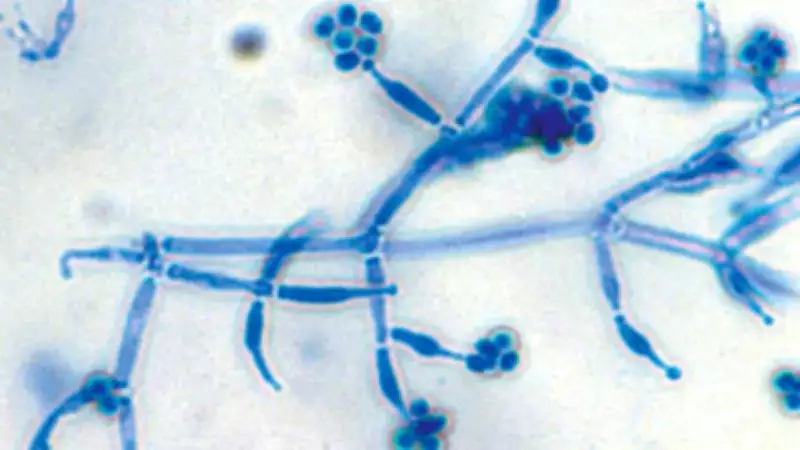
Unlocking the Power of Trichoderma: Your Indoor Garden's Biological Shield
Transforming your indoor garden into a resilient, thriving ecosystem begins with understanding the remarkable capabilities of Trichoderma, often called 'The Green Guard.' This naturally occurring soil fungus serves as a powerful biological defense system against destructive soil-borne pathogens that commonly plague home plants. Research from the University of Connecticut (UConn) reveals that specific strains like Trichoderma harzianum colonize the rhizosphere—the soil area surrounding plant roots—creating a protective barrier through mechanisms like mycoparasitism and inducing systemic resistance in plants.
What Exactly Is Trichoderma and How Does It Benefit Plants?
Trichoderma represents a large group of beneficial, naturally occurring soil fungi found worldwide in virtually every soil type. Unlike harmful fungi that damage plant roots and stems, Trichoderma forms symbiotic partnerships with plant roots, providing multiple advantages:
- Biological Defense: Creates a protective shield against pathogenic organisms
- Growth Enhancement: Stimulates plant development and physiological transitions
- Nutrient Optimization: Improves mineral absorption and soil nutrient availability
These remarkable properties have made Trichoderma extensively popular among organic producers and home gardeners seeking natural solutions for plant health.

Protective Mechanisms and Targeted Plant Diseases
One of Trichoderma's primary functions is acting as a biological fungicide. According to UConn research, the T-22 strain of Trichoderma harzianum specifically protects plants against devastating root rot diseases by preying on and consuming pathogenic fungi like Pythium and Rhizoctonia through mycoparasitism. This natural predation occurs before pathogens can establish themselves, ensuring plants remain protected from the earliest stages of growth.
The most effective application methods for home gardeners include:
- Soil Drench: Applying Trichoderma solution directly to soil
- Soil Amendment: Mixing Trichoderma powder into potting soil before planting
- Root Treatment: Soaking plant roots in Trichoderma slurry during transplantation
Beyond Protection: Trichoderma as a Powerful Biostimulant
Research published in the International Journal of Molecular Sciences demonstrates that Trichoderma's benefits extend far beyond mere protection. Studies show ornamental plants treated with Trichoderma asperellum exhibit significantly higher dry weights and greater chlorophyll content compared to untreated plants. This translates to visibly greener, more vigorous growth in your indoor garden.
The biostimulant effects occur through several mechanisms:
- Nutrient Solubilization: Trichoderma helps break down soil nutrients into forms more easily absorbed by plant roots
- Physiological Enhancement: Improves plant metabolic processes and growth transitions
- Stress Resistance: Increases plant tolerance to environmental challenges
Practical Application Guidelines for Home Gardeners
New Plant Preparation: When introducing new plants to your indoor garden, soak the root base in a Trichoderma slurry (1-part powder to 10 parts water) for 10-15 minutes. This treatment helps plants transition smoothly without suffering transplant shock while establishing beneficial fungal colonization from the beginning.
Soil Conditioning: Before planting, thoroughly mix Trichoderma powder into your potting soil while it's dry or slightly damp. After planting, water lightly to settle the mixture and activate the fungal organisms.
Routine Maintenance: Reapply Trichoderma every 4-6 weeks as a soil drench to maintain healthy fungal populations in your containers. This regular application ensures continuous protection and growth stimulation throughout your plants' lifecycle.

Optimizing Trichoderma Performance in Indoor Environments
To successfully harness Trichoderma's benefits, create conditions that support fungal growth and activity. Trichoderma thrives in specific environmental parameters:
- Temperature Range: 68-86°F (20-30°C)
- Moisture Levels: Consistently moist but well-drained soil
- Soil Composition: High organic matter content from compost or coco-peat
- pH Balance: Neutral to slightly acidic conditions
Critical Consideration: Avoid using chemical fungicides for at least 7-10 days after applying Trichoderma, as these chemicals can kill the beneficial fungi. The organic matter in your soil provides essential energy sources that help Trichoderma establish and multiply effectively.
By implementing these strategies, home gardeners can transform their indoor spaces into vibrant, resilient ecosystems where plants receive natural protection against diseases while enjoying enhanced growth, improved nutrient uptake, and overall vitality. Trichoderma represents a sustainable, effective approach to indoor gardening that aligns with organic principles while delivering measurable results in plant health and appearance.
