

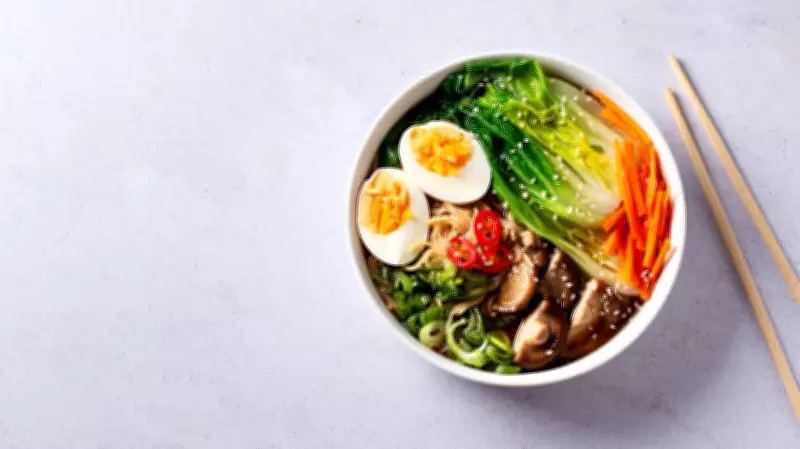
Ramen, the beloved Japanese noodle soup, has long been synonymous with rich, savory broths made from pork, chicken, or fish. But in India, a culinary revolution is simmering: vegetarian and vegan ramen that eschews fish broth entirely, replacing it with innovative plant-based alternatives. This shift caters to the country's large vegetarian population and growing demand for sustainable, ethical dining options.
The Rise of Plant-Based Broths
Traditional ramen relies on dashi, a broth often made with bonito flakes (dried fish) or kombu (seaweed). However, Indian chefs are crafting broths from locally sourced ingredients like mushrooms, tomatoes, and soy. Shiitake mushroom broth offers an umami punch, while roasted tomato and garlic create a hearty base. Some restaurants even use cashew cream or coconut milk for a creamy, rich texture without any animal products.
Key Ingredients in Veg Ramen
- Miso paste: Fermented soybean paste adds depth and saltiness.
- Nutritional yeast: Provides a cheesy, savory flavor.
- Seaweed: Kombu or nori gives a subtle oceanic taste.
- Vegetable stock: Slow-cooked with carrots, onions, and celery for a robust base.
Popular Veg Ramen Variations in India
From fine-dining restaurants to street food stalls, veg ramen is gaining traction. Here are some standout versions:

- Spicy Tomato Ramen: A tangy, fiery broth with grilled vegetables and noodles.
- Mushroom Miso Ramen: Earthy shiitake and enoki mushrooms in a miso base.
- Thai-Inspired Coconut Ramen: Creamy coconut milk with lemongrass and chili.
Health Benefits of Plant-Based Ramen
Vegetarian ramen is often lower in saturated fat and cholesterol compared to traditional versions. It's packed with vegetables, providing essential vitamins and fiber. Many recipes are also gluten-free when using rice noodles or gluten-free soy sauce.
Where to Find Veg Ramen in India
Major cities like Mumbai, Delhi, and Bangalore now host dedicated ramen shops offering plant-based options. Chains like Ramen Ya and Fat Lulu's have introduced veg menus, while local cafes experiment with fusion flavors. Home cooks can also try easy recipes using store-bought miso paste and fresh vegetables.
The veg ramen trend reflects a broader shift toward mindful eating in India. As more people embrace plant-based diets, the humble noodle bowl is getting a delicious, ethical makeover. So next time you crave ramen, remember: no fish broth, please—just pure, plant-powered goodness.

