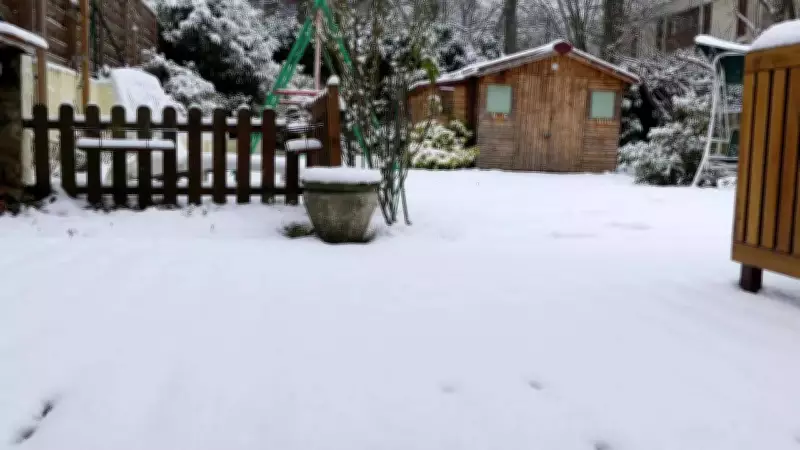
Freezing weather operates as a silent destroyer, inflicting gradual damage that often goes unnoticed until it's too late. Unlike dramatic storms or sudden impacts, cold damage works through subtle processes that accumulate over time. When frigid air combines with moisture from rain, snow, or even dense fog, that moisture infiltrates spaces we rarely consider in our daily lives.
The Hidden Mechanics of Cold Damage
Small cracks, seams, joints, hoses, and electrical wiring become vulnerable entry points for moisture. As temperatures plummet, any trapped water expands with considerable force. Materials contract and tighten under the cold, with some weakening internally without showing visible signs. The true extent of the problem frequently reveals itself much later, often when winter ends and items are brought back into regular use.
That's when previously hidden cracks suddenly appear, electronics mysteriously stop functioning, or fittings begin leaking unexpectedly. Even items marketed as outdoor safe aren't always engineered to withstand prolonged freezing conditions. A simple preventive measure—moving vulnerable belongings into protected spaces like garages, sheds, or basements before winter sets in—can save significant money and frustration when spring arrives.

Winter's Most Vulnerable Victims: 7 Items That Suffer Outside
Cold weather doesn't treat all outdoor possessions equally. While some materials demonstrate better tolerance to freezing conditions, these seven items typically suffer the most when left exposed throughout winter months.
Patio Furniture
Outdoor furniture that remains outside all winter might appear deceptively intact upon first inspection. The reality emerges when you attempt to move or use it. Wood components often develop cracks along the grain due to repeated freezing and thawing cycles. Metal parts rust where water collects in joints and crevices, while plastic or wicker materials become brittle and prone to breaking under pressure.
Garden Planters
Clay and terracotta pots possess a porous nature that allows them to absorb moisture even when their surfaces appear completely dry. When this absorbed moisture freezes, it expands within the material's structure. Over time, this creates internal fractures that may remain invisible until the planter completely breaks apart in spring.
Electronics
Cold temperatures combined with condensation create a hostile environment for electronic components. Wiring, circuit boards, and display screens can fail without warning when exposed to freezing conditions. Even weather-resistant electronics benefit significantly from indoor storage once temperatures remain consistently below freezing.
Lights and Extension Cords
Electrical cords stiffen considerably in cold weather, making them more susceptible to cracking or internal damage. Indoor-rated cords should never be used outdoors during winter months, as moisture infiltration combined with temperature fluctuations dramatically increases safety risks.
Cleaning Products and Chemicals
Freezing temperatures can permanently alter the composition of many liquid materials. Paint may separate into unusable layers, cleaning solutions lose their effectiveness, and liquids thicken beyond practical use. Granular materials absorb moisture and clump together, rendering them ineffective for future applications.
Pressure Washers and Outdoor Equipment
Water trapped inside pumps, hoses, or storage tanks expands when frozen, potentially causing fittings and seals to crack. Even with careful draining procedures, it's nearly impossible to remove all water from hidden internal areas of pumps and hoses.
Outdoor Decor and Garden Statues
Decorative items crafted from ceramic, glass, or lightweight concrete gradually absorb moisture over time. Freezing creates internal pressure that leads to surface cracking, flaking, or sudden catastrophic breakage.

What Can Safely Remain Outside with Proper Preparation
Not every outdoor item requires indoor storage, but appropriate winter preparation makes a substantial difference. Grills and fire pits can remain outside when properly covered to prevent rust formation. Rain barrels should be drained, disconnected, and stored upside down. Hard outdoor toys withstand cold conditions better when stored in covered containers or under waterproof protection. A little advance planning saves considerable time and trouble when warmer weather returns.