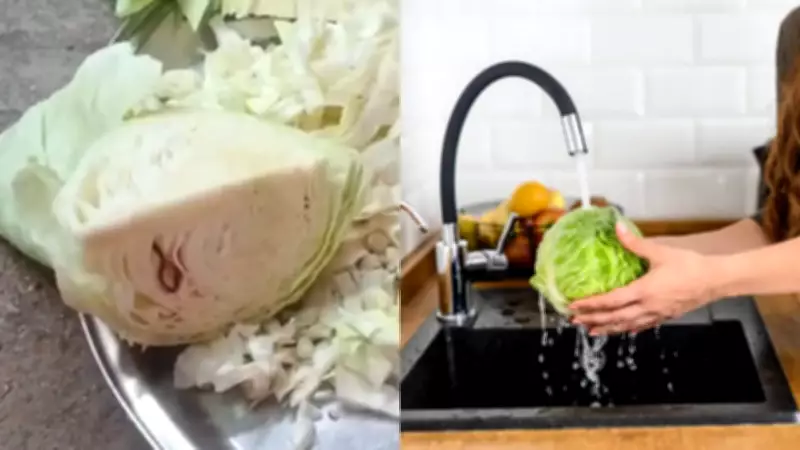
Woman Discovers Worm or Snake Inside Cabbage, Sparks Food Safety Concerns
In a startling incident reported by Dainik Bhaskar, a woman in Madhya Pradesh found a tiny worm or snake-like creature hidden within a cabbage she had purchased. This discovery has brought renewed attention to the critical importance of properly cleaning fruits and vegetables before consumption. The Food Safety and Standards Authority of India (FSSAI) has issued comprehensive guidelines to help consumers mitigate such risks and ensure their produce is safe to eat.
The Nutritional Value and Hidden Dangers of Cabbage
Cabbage is a highly nutritious leafy vegetable belonging to the cruciferous family, celebrated worldwide for its versatility and mild, slightly sweet flavor. It is packed with essential nutrients, including vitamin C, vitamin K, dietary fiber, and powerful antioxidants. These components contribute significantly to improved digestion, enhanced immunity, and overall health. However, despite its benefits, cabbage is particularly susceptible to contamination by worms and microbes, as highlighted by the recent incident.
Why Cabbage is Prone to Contamination
Experts explain that the structural characteristics of cabbage make it an easy target for pests. The vegetable grows in tight, layered leaves that curl inward to form a dense head. These overlapping layers create an ideal breeding ground for insects and worms to lay eggs and harbor larvae. Additionally, cabbage naturally produces specific compounds that attract certain pests, notably cabbage worms, which are the larvae of moths and butterflies. This inherent vulnerability underscores the necessity for extra caution when handling not only cabbage but all fruits and vegetables.

FSSAI's Essential Guidelines for Food Safety
To combat contamination and promote hygiene, FSSAI has outlined a series of crucial steps for consumers to follow:
- Wash Your Hands Thoroughly: Always wash your hands with soap and water both before and after handling fruits, vegetables, and any packaged food items. This simple practice helps prevent the transfer of germs and contaminants.
- Scrub Produce Under Running Water: It is imperative to wash or scrub all fruits, vegetables, and packaged foods under clean, running water before using them for any purpose. To avoid confusion, consider labeling items as 'pre-washed' after cleaning.
- Refrigerate Promptly: FSSAI advises refrigerating chopped, peeled, or cooked food items as soon as possible, ideally within two hours. Use a refrigerator thermometer to ensure the temperature remains at 40°F or below, which inhibits bacterial growth.
- Clean Utensils and Surfaces: The guidelines emphasize washing cutting boards, countertops, and utensils with hot, soapy water both before and after use. This step is vital to prevent cross-contamination from raw foods.
- Store Separately: Always store fruits and vegetables away from raw meat, poultry, and seafood. These items can drip juices containing harmful germs. It is recommended to use separate cutting boards for produce and meats to further reduce contamination risks.
By adhering to these FSSAI recommendations, consumers can significantly lower the chances of encountering contaminants like worms or microbes in their food. This incident serves as a stark reminder of the importance of vigilance and proper hygiene in everyday food preparation, ensuring that nutritious choices like cabbage remain safe and beneficial for health.