Every ecosystem includes plants, animals, and other elements necessary to maintain balance. However, some species have an enormous influence on the stability of the entire ecosystem they inhabit. These organisms are called keystone species. Their extinction can bring dramatic consequences to the ecosystem as a whole. Keystone species include predators that control prey populations and other animals that shape the landscape. Here are seven fascinating examples and why they matter so much.
Sea Otters – Guardians of Kelp Forests
The primary function of a sea otter is to help maintain a stable ecosystem in the kelp forest environment. Sea otters eat sea urchins, keeping their numbers under control. This protects kelp from being destroyed by sea urchins. Without sea otters, kelp forests would become much poorer, reducing biodiversity.
Wolves – Nature's Population Managers
The grey wolf is a well-known example of a keystone species. Wolves manage the population of various herbivores such as deer or elk. In areas without enough wolves, herbivore populations increase excessively, destroying the environment. As a result, vegetation is ruined, negatively affecting many more animals.

Beavers – Engineers of Wetland Ecosystems
Beavers are called the engineers of nature due to their dam-building activities. By creating dams, beavers form new wetland ecosystems where different animals can live. These water ecosystems prevent erosion and retain moisture, increasing habitat variety and allowing many living beings to survive even after the beavers leave.
African Elephants – Architects of the Savanna
An African bush elephant creates its habitat by pulling down trees, distributing seeds, and opening pathways in thick forests. This activity balances forests and savannahs, allowing other animals to develop and flourish. Elephants ensure vegetation diversity and other features important for various animal species.
Bees – Essential Pollinators
Honeybees and other pollinating bee species are crucial for flowering plants' reproduction, as they transfer pollen and enable fruit development. These animals help ensure the functioning of entire ecosystems supported by flowering plants.
Sharks – Maintaining Ocean Balance
Shark species are key elements of various food chains as apex predators in marine ecosystems. Sharks maintain ecosystem balance by preventing one species from becoming too dominant and taking resources from others.
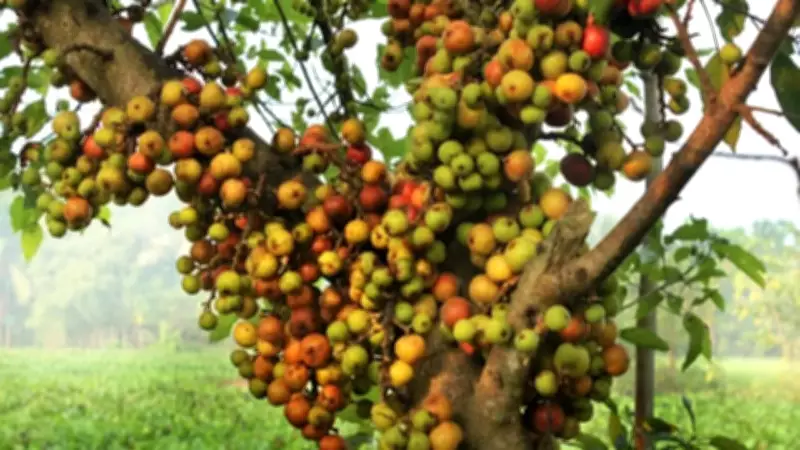
Fig Trees – A Lifeline for Wildlife
The fig tree is a key plant species. Unlike most trees, it produces fruit several times a year, providing food for many animals even when other plants bear no fruit. Fig trees are especially important for many bird species that depend on their fruit.