

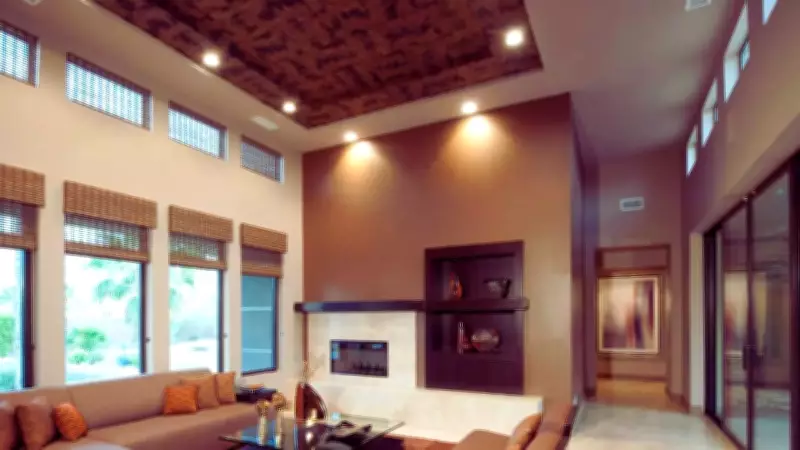
The Hidden Psychology of Ceiling Height in Architectural Design
Entering a space often triggers subtle, unexplained emotions that go beyond mere aesthetics. While most people overlook spatial dimensions, these elements profoundly shape our psychological responses. Ceiling height, typically viewed as a visual design feature, exerts a deep influence on human psychology, brain activity, emotional states, and sensory experiences.
The Science Behind Spatial Perception
Prior research confirms that spatial dimensions directly and indirectly impact cognitive processes. As a fundamental aspect of any environment, ceiling height primes our emotional states and self-perception. We consulted Akansha Gupta, founder of Studio A, who elaborated on why ceiling heights create such significant psychological effects.
How Ceiling Height Affects Cognitive Function
Why do taller ceilings evoke feelings of openness and expansiveness, while lower ceilings induce sensations of restriction and enclosure? The impact extends far beyond visual perception, reaching into psychological and emotional realms. Designers leverage this understanding to shape emotions and trigger specific responses intentionally.

A study published in The Journal of Environmental Psychology demonstrated that individuals in rooms with higher ceilings (approximately 10 feet) performed better on tasks requiring creativity and abstract thinking. Conversely, lower ceilings (around 8 feet) encouraged detail-oriented tasks but also increased feelings of confinement.
"Ceiling height can affect the way people process information; higher ceilings promote a sense of freedom, which in turn activates abstract thinking and creativity," explained Joan Meyers-Levy, co-author of "The Influence of Ceiling Height: The Effect of Priming on the Type of Processing People Use" from the University of Minnesota.
Psychological Impacts of Different Ceiling Heights
Impact of Higher Ceilings:
- High ceilings provide breathing space that stimulates abstract thinking and encourages imaginative exploration of possibilities.
- They create a sense of openness and freedom, often invoking feelings of grandeur and luxury.
- This spatial freedom offers a more liberating experience, increasing joy by reducing fear and anxiety levels.
Impact of Lower Ceilings:
- Lower ceilings contract space and minimize distractions, thereby enhancing focused and analytical thinking.
- They make spaces feel cozier and more intimate, fostering a sense of safety and security.
The Critical Importance of Balance in Design
As the saying goes, 'balance is key'—and this principle applies perfectly to ceiling heights. Excessively high ceilings can create unsettling echoes and complicate temperature regulation, negatively impacting environmental comfort. Conversely, ceilings that are too low may be evaluated less favorably, potentially increasing feelings of constraint, fear, and anxiety.
Designing Spaces with Psychological Intention
Ceiling height represents a design element with substantial emotional consequences. When spaces are designed without considering occupants' psychological responses, we risk creating subtly stressful environments that drain rather than support. Thoughtful design, however, can actively promote creativity and well-being.
Understanding these psychological impacts guides architects to implement higher ceilings in areas requiring innovative thinking, grandeur, and aesthetic appreciation—such as workspaces, art galleries, and retail hubs. Meanwhile, lower ceilings prove ideal for spaces demanding focus and analytical thinking, including research laboratories and study rooms.
Ultimately, exceptional design transcends visual appeal—it creates experiences that are deeply felt. Often, that transformative feeling begins right above our heads, in the vertical dimension we frequently overlook but that profoundly shapes our mental and emotional landscapes.

