As winter tightens its grip, residents of modern apartments across Indian cities often find themselves battling an unexpected chill indoors. The issue isn't just the outdoor temperature; it's how our living spaces seem to magnify the cold. Interior expert Sanya Mehta captures the essence perfectly, noting that "Warmth is as much about comfort and perception as it is about temperature." For many, turning up the heater is not a viable solution, especially with the constant worry of soaring electricity costs. The good news? You can transform your flat into a cozy haven without spending a single rupee, using intelligent adjustments and a basic understanding of heat behavior.
Why Apartments Feel Colder: Understanding Heat Loss
The core challenge with flats is their tendency to lose warmth much faster than independent houses. This can be attributed to several common factors in modern construction: thin walls, poorly sealed windows and doors, and extensive use of tiles or marble for flooring—materials that are excellent for summer but exacerbate cold in winter. Dr. Shree Deshmukh, an environmental design researcher based in Lucknow, explains, "Most winter discomfort in apartments occurs because warm air escapes faster than our bodies can adapt. The key is to trap existing heat and proactively block cold air from entering." The solution, therefore, lies in strategic intervention, not expensive appliances.
Zero-Cost Strategies to Trap Heat and Block Cold
The first and most crucial step is to play detective and find the primary sources of drafts. Often, a significant gap under the main door or a slightly ajar window is the main villain letting in cold winds.

Seal Gaps with Household Items: For gaps under doors, use rolled-up old towels, cotton dupattas, or shawls. Simply place them at the bottom to create an effective seal. For window gaps, tightly rolled newspapers inserted into the crevices and secured with tape work wonders as temporary insulation. You can also reposition heavy furniture like bookshelves or wardrobes against external walls to cover larger gaps and add a layer of insulation.
Harness the Power of Textiles and Sunlight: Indian homes are naturally rich in fabrics, which can be used strategically. Interior stylist Sattvik Mohanty from Mumbai advises, "Textiles can change how warm a room feels almost instantly." Use thick curtains, old blankets, or even spare bedsheets to cover windows, which are major sites of heat loss. Conversely, during the day, throw these curtains open wide. Architect Vaibhav Srivastava from Lucknow emphasizes, "Winter sun can heat interior surfaces like walls and floors. They absorb this warmth and release it slowly through the evening, naturally keeping your flat warmer for longer." Make it a habit to sit in sunny spots to soak in natural heat.
Focus on Personal Warmth and Smart Layouts
Instead of trying to heat the entire apartment, focus on warming yourself and your immediate surroundings. This is a more efficient and cost-effective approach.
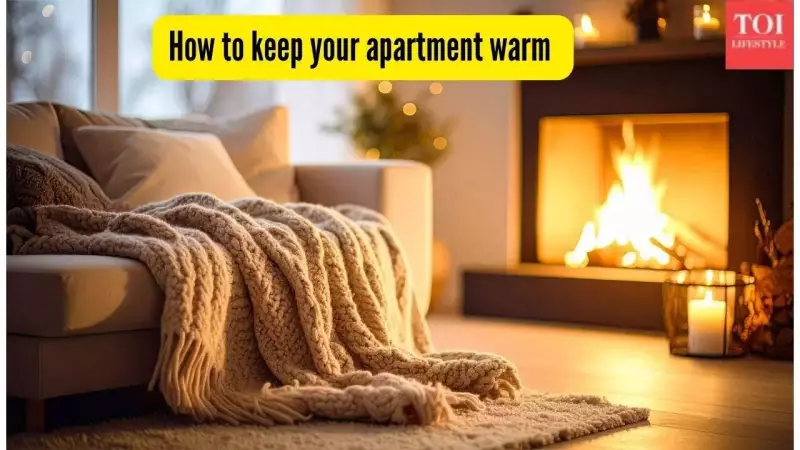
Layer Up and Insulate Surfaces: Wear ample layers of clothing and always wear socks indoors. Cover sofas and beds with warm throws and blankets. Ankur Singh, an architect based in Noida, suggests, "Once your body maintains its core temperature, the sensation of cold reduces. Support this by consuming warm drinks like tea, soup, or hot milk."
Modify Your Space: Cold floors are a common complaint. Cover tiled or marble floors with rugs, dhurries, or even folded bedsheets. Hang tapestries, shawls, or spare fabric on large bare walls to add insulation, especially behind beds. At night, adopt a few key habits: layer multiple blankets instead of using one heavy quilt, keep your bed away from windows, close balcony doors and spare rooms to reduce the area that needs heating, and lower all blinds and curtains before sunset to trap the day's warmth.

Ultimately, combating the winter chill in an apartment is less about purchasing new gadgets and more about using available resources wisely. By understanding heat flow and implementing these simple, expert-backed tricks, you can create a significantly warmer and more comfortable living environment, ensuring your home remains a cozy retreat all season long without impacting your electricity bill.