

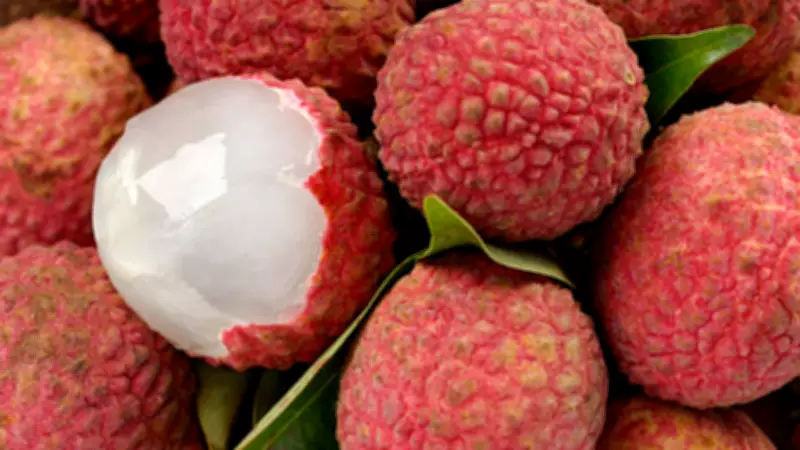
Litchi wasn't always part of India. It arrived here as an outsider, like so many things did, and what happened next is the kind of agricultural love story you don't usually hear about. The fruit came from somewhere else entirely, got adopted by Indians, adapted to Indian soil, and eventually became so thoroughly Indian that most people forget it was ever foreign at all.
The Chinese Origins of Litchi
The litchi's real home was China. We're talking thousands of years back—ancient Chinese emperors were obsessed with the fruit, poets wrote about it, and it was basically the luxury status symbol of imperial courts. But it stayed locked away in China for centuries. The fruit was so prized that the Chinese government actually restricted exports of litchi saplings.
How Litchi Reached India
Things changed around the 18th century. It wasn't until the 18th and 19th centuries that litchi started moving beyond China's borders. According to historical records documented by the Ministry of Agriculture & Farmers Welfare, litchi cultivation eventually spread to Southeast Asia, and from there, it found its way to India through Myanmar and the North East region during the 18th century. The spread of litchi to other parts of the world was rather slow, probably due to its soil, climatic requirements, and the short life span of its seed, it says. And slowly, litchi stopped being an exotic curiosity and became something that could actually grow here.

From Foreign to Familiar
What's fascinating is how quickly litchi became associated with India once it took root. By the early 20th century, litchi cultivation had spread across different regions—Assam, Bihar, and parts of the western regions. Local farmers developed their own varieties. They weren't just copying Chinese methods anymore; they were creating something distinctly Indian. According to agricultural records, India developed its own litchi cultivars adapted to local conditions. The soil chemistry was different from China's. The monsoon patterns were different. The seasons were different. So Indian farmers bred litchis that could handle these differences.
India's Current Litchi Production
India has basically become a litchi powerhouse, though not many people realize it. The country produces somewhere around 700,000 to 800,000 tonnes annually, according to data from the Ministry of Agriculture & Farmers Welfare. That's a massive jump from where things were just a couple of decades ago. Bihar dominates the production landscape; the state accounts for roughly 60% of India's total litchi output. It has become so associated with litchi that the fruit is basically woven into Bihar's agricultural identity. Assam comes in second, followed by West Bengal, Jharkhand, and smaller volumes from Maharashtra and other regions. Each state has its own varieties and harvest seasons, but Bihar is the real heavyweight. The quality has improved too. Better farming techniques, disease management, and cold chain infrastructure mean that Indian litchis now compete seriously in domestic markets and even get exported. Summer in India basically means litchi season, and that has become a real economic driver for farming communities across multiple states.
When It Became Truly Indian
Somewhere along this journey, litchi stopped being a fruit that India grew and became a fruit that was fundamentally Indian. Summer without litchis became unthinkable. Families looked forward to the season. Food culture absorbed it completely. Kids across the country grew up expecting litchis in May and June. The recognition through GI tagging, whether it was Tezpur, Bombai, or other regions, came much later, in the 2010s. By then, litchi was already deeply woven into Indian agriculture and Indian eating habits. What's remarkable is that litchi's journey mirrors something larger about India itself. A foreign thing arrives, gets adapted, gets improved by local knowledge and effort, and becomes so thoroughly integrated that it feels like it was always here. That's not just agricultural history. That's cultural history too.

