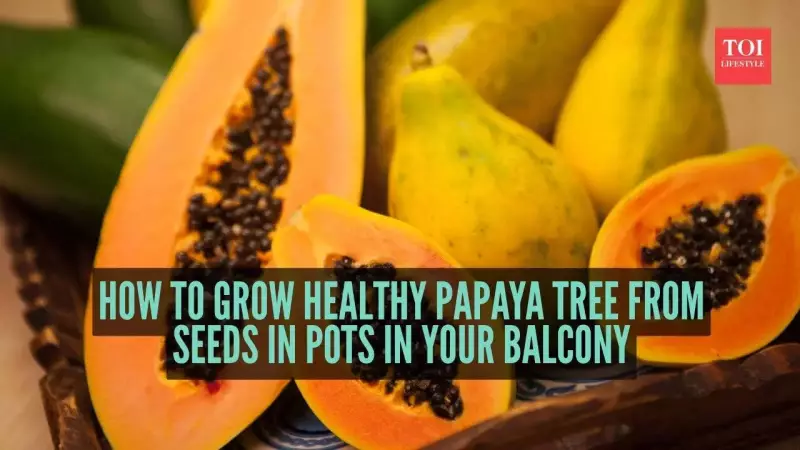
Transforming your balcony into a lush, fruit-bearing oasis is an achievable dream for many urban gardeners in India. One of the most rewarding projects is growing a papaya tree from seeds right in a pot. This fast-growing tropical plant can thrive in containers with the right care, offering not just greenery but also the potential for sweet, homegrown papayas. Here is a detailed, step-by-step guide to ensure your balcony papaya cultivation is a success.
From Seed to Sprout: Laying the Foundation
The journey begins with selecting the right seeds. Always choose seeds from a fully ripened, healthy papaya fruit. Extract the seeds, carefully wash off the gelatinous coating surrounding them, and allow them to dry in a shaded area for about a day. It is crucial to avoid using seeds from unripe or damaged fruits, as fresh, high-quality seeds have significantly better germination rates and set the stage for a robust plant.
Next, choosing an appropriate container is vital for healthy root development. Papaya plants develop extensive root systems. Therefore, select a pot that is both wide and deep, with minimum dimensions of 18 to 24 inches in both depth and width. A pot of this size ensures proper drainage, prevents waterlogging, and provides the stability needed to support a tall plant on a windy balcony.

The soil mix plays a pivotal role. Papayas prefer well-drained, loose soil. You can create an ideal blend by mixing garden soil with an equal part of sand or cocopeat. This combination prevents compaction and facilitates excellent drainage. A common practice is to plant papayas on a slight mound within the pot, which further helps in keeping the roots away from excess moisture.
The Care Regimen: Sunlight, Water, and Nutrition
Once your pot and soil are ready, sow three to four seeds about half an inch deep in the centre. Water them gently. Germination typically takes between 10 to 20 days. When the seedlings reach a height of about 6 to 8 inches, carefully remove the weaker ones, leaving only the strongest, healthiest seedling to grow. This ensures it receives all the necessary nutrients without competition.
Sunlight is non-negotiable for a fruitful papaya plant. Your pot must be placed in a balcony spot that receives at least 6 to 8 hours of direct sunlight daily. Inadequate sunlight will lead to weak, spindly stems and severely hamper fruit production. The more sun, the better the growth and yield.
Regular watering and feeding are the pillars of maintenance. Keep the soil consistently moist but never waterlogged. During the intense heat of Indian summers, daily watering may be necessary. For nutrition, fertilize the plant every two to three weeks using organic options like compost, vermicompost, or a balanced liquid fertilizer. This regular feeding supports rapid growth and fruit development.
Supporting Growth and Ensuring Fruit Formation
As the papaya tree grows tall, its soft stem often needs support. Insert a sturdy stake into the pot and tie the stem to it loosely. This prevents the plant from twisting or breaking due to strong winds or the weight of developing fruits. Regularly inspect the plant and remove any yellowing or diseased leaves to improve air circulation and deter pests. Papaya plants require minimal pruning; simply removing old leaves is usually sufficient.
A unique aspect of papaya cultivation is understanding its pollination. Papaya plants can be male, female, or hermaphroditic. For balcony gardens, hermaphroditic plants are preferred as they can self-pollinate. If you notice flowers but little fruit development, you can assist pollination by gently shaking the plant or using a soft-bristled brush to transfer pollen between flowers.
Cultivating a papaya tree from seed in a balcony pot is a deeply satisfying and practical green initiative. With adequate sunlight, the right soil mix, and consistent care, you can achieve gardening success even in limited urban spaces. This endeavour brings you closer to nature and promises the unique joy of harvesting fresh, organic fruit from your own home.