

Hotel Lounge Design Secrets: 7 Principles Homeowners Can Steal for Calm Spaces
There is something profoundly transformative about stepping into an exceptional hotel lounge. The frantic pace of the outside world seems to dissolve, ambient noise fades into a gentle hum, and a deep sense of ease settles over you almost instinctively. This experience is not accidental; it is meticulously engineered. The world's premier hospitality spaces are crafted with extraordinary precision, considering mood, human flow, and the subtle play of light throughout the day. Every element—from the choice of materials and placement of seating to the ambient scent—is deliberate. The core principles behind these serene environments are far more accessible and transferable to residential settings than most homeowners realize.
A pivotal 2026 study published in the International Journal of Hospitality Management confirms this, stating: “Carefully designed atmospheric elements, including lighting, layout, and materiality, significantly influence guest relaxation, dwell time, and overall satisfaction.” This research directly validates that the immersive, calming aura of luxury hotel lounges is intentionally crafted through strategic design. Drawing inspiration from some of the globe's most celebrated hotel spaces, here are seven powerful design lessons you can apply at home, no five-star renovation budget required.
The Ned, London: Use Architectural Weight to Ground a Room
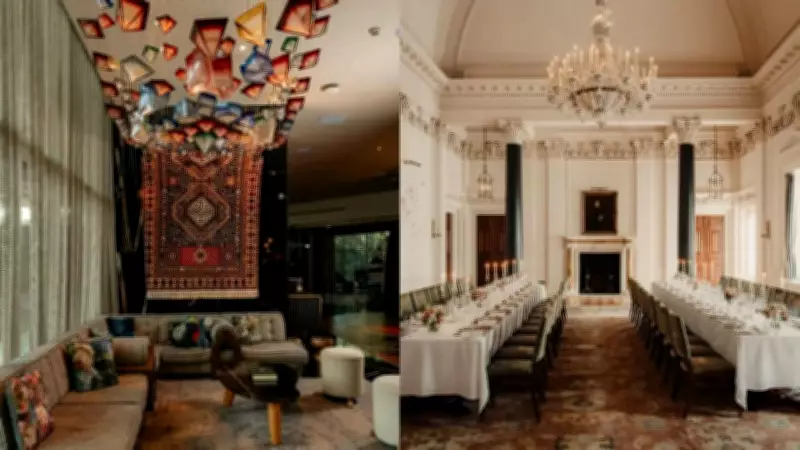
The Ned in London captivates with its soaring ceilings and intricate period details, creating an immediate sense of permanence and stability. You can replicate this grounding effect at home through scale and material heft. Incorporate elements like rich, dark timber, substantial stone surfaces, or oversized furniture that commands the space rather than appearing to float within it.

Geoff Brand, Founder of Bean Bags R Us, an Australian brand supplying premium seating globally, has extensive experience at the intersection of comfort and design. In an interview, he emphasized, “People underestimate how much a room's ‘weight’ affects how relaxed you feel in it. Heavy, grounded spaces feel safer and more settled. Even one anchor piece, such as a large sofa or a solid coffee table, can shift the entire mood.”
Faena Hotel, Miami: Add One Theatrical Focal Point
The Faena Hotel's lobby, famously nicknamed The Cathedral, is built around a central spectacle. This principle translates beautifully to residential spaces on a more intimate scale. Introduce one bold, dramatic element—a striking piece of art, an oversized mirror, or a statement light fixture. This gives the eye a definitive place to land and instantly defines the room's personality.
W Dubai Mina Seyahi: Layer Colour Through Texture, Not Paint
The lobby at W Dubai Mina Seyahi masterfully uses jewel tones through fabrics, tiles, and varied surfaces instead of relying solely on wall color. You can introduce similar depth and warmth with velvet cushions, woven throws, and richly textured rugs, avoiding the commitment of a full repaint. “Colour is about layering,” Geoff Brand explained. “A room with three different textures in the same tone feels far more considered than one with a bold wall and plain furniture.”
1 Hotel Mayfair: Bring Nature into the Core of the Room
1 Hotel Mayfair's lobby is a masterclass in biophilic design, seamlessly integrating natural materials, living plants, and the sensory presence of water. At home, even a single, large indoor plant or a natural stone tabletop can inject that same grounded, restorative quality into your living area. A 2026 study in Frontiers in Psychology supports this approach, finding: “Incorporating natural elements, layered textures and multisensory cues leads to measurable reductions in stress and increases in perceived comfort within indoor spaces.” This shows that bringing nature indoors is not merely aesthetic but psychologically restorative.

W Osaka: Use Lighting as Atmosphere, Not Just Function
W Osaka employs colored and layered lighting to craft a specific mood, moving far beyond simple illumination. Homeowners should think in terms of creating light zones: ambient overhead lighting, warm side lamps for task lighting, and accent lights to highlight art or architectural features. A single, harsh overhead light rarely fosters an inviting atmosphere. “Lighting is the most affordable way to transform a room,” said Geoff Brand. “Two lamps and a dimmer switch will do more for the feel of a space than almost any piece of furniture.”
The Reverie Saigon: Embrace Controlled Maximalism
The Reverie Saigon is a study in opulence, featuring marble columns, gold accents, and jewel-tone decor, yet it never descends into chaos. The secret is rigorous intentionality—every element belongs to a cohesive visual narrative. At home, this means more decor is perfectly acceptable, provided it is carefully curated. Select a defined color palette, commit to it, and then thoughtfully layer patterns and objects within that framework.
Conservatorium Amsterdam: Design for Conversation First
Known as “Amsterdam's Living Room,” the Conservatorium's atrium is meticulously arranged to foster human interaction, with plush seating clusters, coffee tables at ideal heights, and natural light that draws people together. The crucial lesson for homeowners is to plan seating arrangements around facilitating conversation, not positioning them solely for television viewing.
A 2026 study in the Journal of Environmental Psychology revealed: “Furniture arrangement and spatial orientation play a critical role in facilitating social interaction, with inward-facing layouts increasing engagement and conversation frequency.” This directly supports designing for dialogue, demonstrating that seating layouts actively shape how people connect in a space.
“Hotel designers ask: where will people sit and how will they face each other? Most living rooms are arranged for screens, not conversation,” Geoff Brand noted. “Rotate your seating inward, add a low central table and watch how differently the room gets used.”
He added a final, empowering insight: “The good news is that hotel designers work with the same fundamental principles whether the budget is £500 or £500,000. It's about layering comfort, being deliberate with light, and choosing seating that genuinely invites people to stay. Start with how you want the room to feel, then work backwards from there. Flexible, low-profile seating is one of the most overlooked tools in residential design. Hotels use it constantly because it's approachable, moveable, and signals relaxation immediately.”
You do not require a full-scale renovation to transform your home. Often, a single, considered addition or a thoughtful rearrangement is all it takes to imbue your living space with the serene, intentional calm of a world-class hotel lounge.
