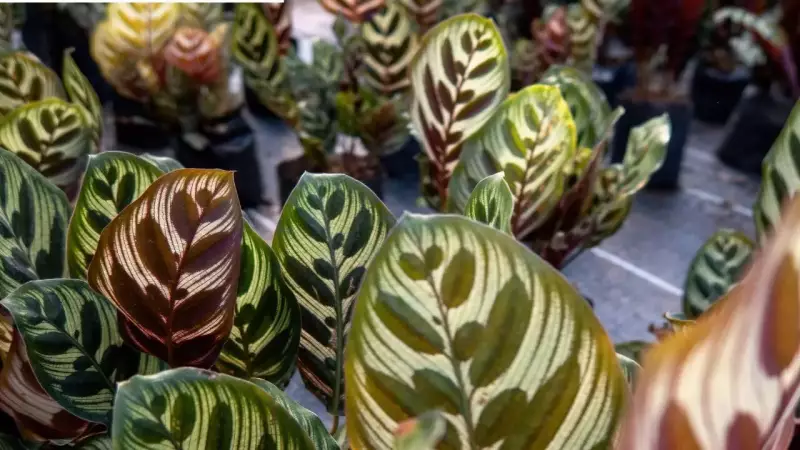
The Peacock Plant, scientifically known as Calathea Makoyana, stands out as one of the most visually arresting houseplants you can bring into your home. Its magnificent foliage, resembling the fine feathers of a peacock with intricate deep green patterns, has the power to instantly elevate any indoor space. While it presents a rewarding challenge for plant enthusiasts, the joy of nurturing a healthy, vibrant Peacock Plant makes every effort worthwhile.
Essential Care Guide for Your Peacock Plant
Success with this tropical stunner hinges on mastering a few key elements: light, water, soil, and humidity. Contrary to its delicate appearance, with the right conditions, the Calathea Makoyana can flourish indoors throughout the year, showcasing its spectacular leaves without fail.
1. Mastering Light and Placement
Unlike many popular indoor plants, the Peacock Plant is highly sensitive to direct sunlight. Exposure to harsh rays can cause its vivid leaves to fade or even scorch. The ideal spot offers bright, indirect, or filtered light. Consider placing it in a room with sheer curtains or in a location a few feet away from a window. This low to medium light environment is perfect for preserving the plant's stunning leaf patterns and promoting steady, healthy growth.

2. The Art of Watering Correctly
Hailing from tropical forests, Calathea Makoyana prefers its soil to be consistently moist but never waterlogged. A good rule is to water it at least twice a week, allowing the top inch of soil to dry slightly between sessions. A simple finger test is the best way to check: insert your finger into the soil up to the second knuckle; if it feels dry, it's time to water. Always ensure your pot has drainage holes and never let the plant sit in a saucer of standing water, as this will quickly lead to root rot.
3. Choosing the Perfect Soil Mix
The foundation of good Peacock Plant care is a well-draining, airy potting mix. The roots need oxygen and a breathable medium to stay healthy. Opt for a lightweight potting soil that allows excess water to flow through easily, preventing the soil from staying soggy. Enhancing a standard mix with ingredients like coco peat or perlite can significantly improve drainage and aeration. Given the plant's low tolerance for waterlogging, the right soil is critical for its long-term survival.
4. Creating the Ideal Humidity and Climate
Humidity is non-negotiable for this tropical native. To mimic its natural rainforest habitat, aim to maintain a moist atmosphere around the plant. Daily misting with room-temperature water or using a humidifier nearby works wonders. Naturally humid spots in your home, like a well-lit bathroom or kitchen, can also be excellent locations. Temperature-wise, keep your Peacock Plant in a comfortable range between 19°C and 24°C, and protect it from cold drafts and sudden temperature swings.
5. Fertilising for Lush Growth
Feed your plant with a balanced, diluted liquid fertiliser once a month during its active growing season in spring and summer. This supports robust leaf development and overall vitality. As growth slows in the autumn and winter months, reduce feeding to once every two months. Over-fertilisation can harm the roots and cause the leaves to turn yellow, so it's better to err on the side of less.
Caring for a Peacock Plant requires a blend of attentiveness and patience, but the result is a breathtaking living decor piece. By providing appropriate light, consistent moisture, well-draining soil, high humidity, and timely feeding, you will be rewarded with a thriving specimen. Its elegant charm and striking patterns make it a fantastic addition to any interior, offering immense satisfaction to every plant lover who succeeds in its cultivation.