

A snake sighting in the garden can turn a calm evening uneasy in seconds. Among the many species that slip through yards and undergrowth, the copperhead snake stands out for its camouflage and habit of staying still. It does not chase people, yet many bites happen because it goes unnoticed. Knowing how to recognise this snake, and where it prefers to hide, can make the difference between a close call and a safe distance.
Distinctive Color Patterns
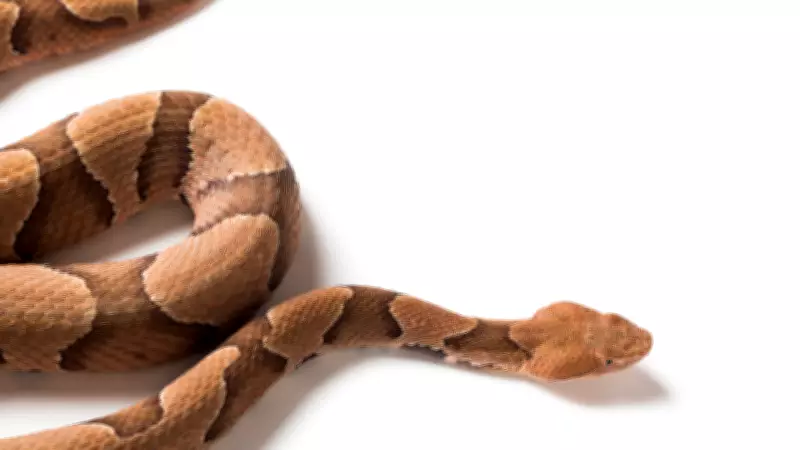
Despite its name, a copperhead does not shine like metal. Its body carries a warm, earthy tone, ranging from light brown to pinkish tan, with darker bands that resemble hourglasses. These bands are narrow along the spine and widen on the sides, creating a series of saddle-like markings. The head appears slightly more coppery than the rest of the body, especially in sunlight. However, this contrast is subtle rather than dramatic, allowing the snake to blend easily with dry leaves and soil. This is why many people step close without realising it is there.
Body Shape and Behavior
Unlike long, slim garden snakes, copperheads have a thicker, more muscular body. The head is triangular but not sharply pointed, sitting wider than the neck and giving a slightly blocky appearance. What often misleads people is how still the snake remains. Instead of slithering away, it freezes in place. That stillness, combined with leaf-like markings, makes it almost invisible against the ground. In many cases, the snake is spotted only when it moves or, worse, when it feels threatened.

Indoor Hiding Spots
Inside homes, copperheads are not common, but they do slip in when conditions are favourable. Cool, dark, and undisturbed spaces attract them the most. Dark areas with cracks or open vents are prime spots. Storage areas filled with boxes or clutter offer perfect cover. Garages also become hiding places when doors are left open or gaps exist under them. It is important to note that copperheads are not looking for people. They seek shelter, stable temperatures, and sometimes rodents.
Garden Habitats
Gardens provide everything a copperhead needs: shade, moisture, and prey. Woodpiles are a favourite hiding spot because the gaps between logs create cool pockets where the snake can rest unnoticed. Thick shrubs, overgrown hedges, and piles of dry leaves are equally inviting. Stones, garden décor, and unused pots also offer cover. Even compost heaps can attract them because they draw small animals. Copperheads choose these spots because they offer both protection and food, a combination that keeps them returning.
Signs of Presence
Direct sightings are rare, but a few subtle clues can hint at their presence. Shed snake skins, especially in shaded corners, are one sign. A sudden silence among small animals or birds in a specific area can be another. Rodent activity increases the chances of snakes nearby, as predators follow prey. Yet, the most important sign remains awareness of surroundings. Taking careful steps in dense garden areas reduces the chance of an unexpected encounter.
Safety Disclaimer
This article is meant for awareness and general information only. Snake identification can be difficult, and many harmless species resemble venomous ones. If a snake is spotted, it is best to keep a safe distance and contact local wildlife or pest control experts. Avoid handling or provoking any snake, regardless of identification.

