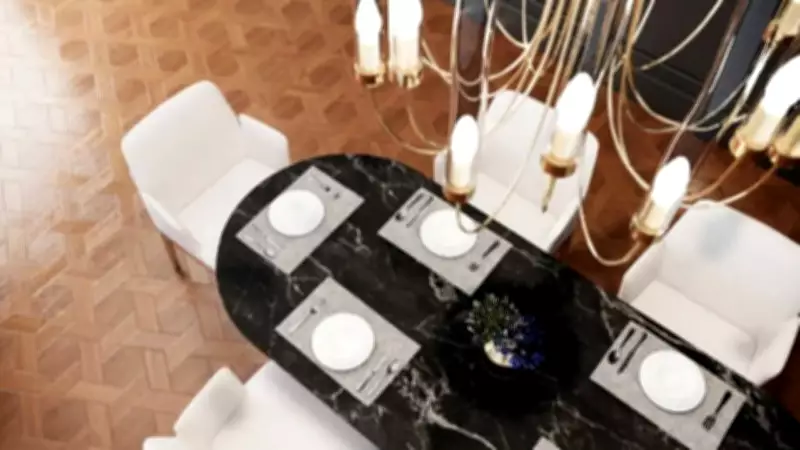
Marble vs Solid Wood Dining Table: 7 Differences Every Homeowner Should Know
The dining table serves as a central piece in any home, where families gather to share meals, conversations, and moments. Choosing between marble and solid wood is a common dilemma for homeowners. Both materials offer distinct benefits, but they differ significantly in key areas. Understanding these differences helps in making an informed purchase.
1. Appearance and Visual Appeal
Marble tables exude luxury and elegance, featuring natural veining patterns that give a premium look. They are often seen as statement pieces in high-end interiors. Solid wood, on the other hand, brings warmth and character through its natural grain textures, fitting well in cozy or traditional settings.
2. Durability and Longevity
Marble is extremely durable and resistant to wear over time, but its hardness makes it prone to chips and cracks under impact. Solid wood is less hard, so it can suffer scratches and dents more easily; however, these imperfections are often repairable with sanding or refinishing, extending the table's life.

3. Maintenance Requirements
Marble is porous and absorbs spills quickly, requiring regular sealing and careful cleaning to prevent stains. Solid wood demands less intensive care, but it can discolor from moisture and needs occasional polishing and protective coatings to maintain its finish.
4. Weight and Mobility
Marble tables are heavy due to the density of the stone, providing stability but making relocation difficult. Solid wood tables are lighter and easier to move, ideal for those who like to rearrange their dining space frequently.
5. Resistance to Heat and Everyday Use
Marble withstands high heat well, so hot dishes can be placed directly on the surface without damage. However, it can scratch easily. Wood is less heat-resistant and may warp or burn if exposed to high temperatures, but scratches and minor damage are simpler to repair.
6. Cost and Investment Value
Marble dining tables are generally expensive due to the material's cost and craftsmanship. Solid wood offers a broader price range: premium hardwoods can be costly, but more affordable options exist. Budget-conscious buyers may prefer wood for its value.
7. Best Fit for Different Interior Styles
Marble complements modern, contemporary, and luxury designs, enhancing elegance. Solid wood is versatile, suiting rustic, traditional, Scandinavian, and even modern interiors. Personal taste and existing decor will guide the best choice.
Ultimately, the decision between marble and solid wood depends on your priorities regarding aesthetics, maintenance, durability, and budget. Both materials can create a beautiful dining space when chosen thoughtfully.