

The Evolution of Interior Design: From Rigid Rules to Personal Expression
Interior design stands as one of the most crucial elements defining any residential space, whether it's a compact apartment or an expansive mansion. The internal aesthetic fundamentally shapes the living experience. Decades ago, a well-regarded home primarily emphasized cleanliness and organization. Whitewashed walls, high ceilings, intricately carved railings, and wooden windows were considered the height of style. Symmetry dominated interior layouts, with design approaches remaining subdued and conservative.
Today, the landscape has transformed dramatically. Long windows, transparent glass elements, bold color palettes, and multi-functional furniture are now integral to contemporary homes. Modern design philosophy has shifted away from adhering to strict aesthetic rules. The current focus is on creating spaces with depth, clear purpose, and genuine emotional resonance. As homeowners become increasingly design-savvy, trends once synonymous with "good design" now often appear predictable and superficial.
There is a pronounced movement away from perfectly styled, symmetrical, and trend-driven interiors. People are gravitating toward spaces that feel layered, intuitively understandable, and deeply personal. This evolution fosters a more thoughtful design methodology that prioritizes warmth over coldness, unique character over rigid coordination, and a lived-in elegance over sterile visual perfection. Anuj Ramchandran, Associate Director of Retail Design & Build at Livspace, provides exclusive insights into the specific design trends fading from popularity and the innovative concepts taking their place.

1. The Decline of All-White Interiors
The all-white aesthetic, long a staple in kitchens and living rooms, is increasingly associated with coldness and impracticality. In the context of Indian homes, which often host multi-generational families and vibrant daily activities, stark white spaces can feel overly staged and challenging to maintain. This trend is being supplanted by warm minimalism and color-drenched interiors that inject depth and personality. Designers now favor soft neutrals, layered tonal variations, and richer, deeper colors. These palettes cultivate a sense of warmth, lived-in comfort, and visual intrigue while preserving the clean lines and sophisticated elegance characteristic of modern design.
2. Moving Beyond Perfect Symmetry
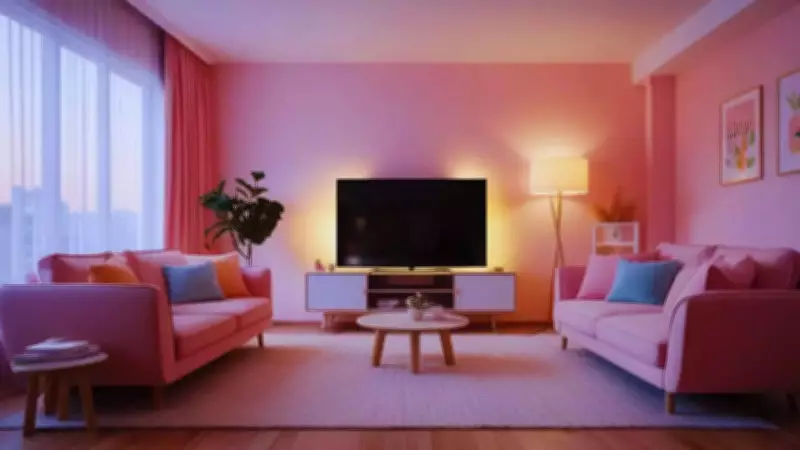
For an extended period, the ideal furniture arrangement involved matching sofas flanking a central coffee table, complemented by identical side tables and lamps. In contemporary settings, such strict symmetry is viewed as overly predictable and formal, potentially rendering rooms stiff rather than inviting. The concept of asymmetrical balance is now challenging this norm. This approach involves the careful distribution of visual weight without mirror-image repetition, thereby introducing dynamic movement and infusing the space with distinctive personality.
3. The Shift from Cool Grays to Warm Tones
While cool gray shades once conveyed a sleek, modern atmosphere, they now risk appearing dull and impersonal, reminiscent of corporate office interiors. Although low-maintenance, these colors can drain energy from a room, especially one blessed with ample natural light. In response, designers are embracing warm, layered color schemes. Earthy tones like clay, beige, and olive, often paired with matte or textured finishes, are gaining prominence. These combinations add comfort, richness, and a timeless quality, making residential spaces feel more welcoming and authentically lived-in.

4. The End of Monotone Wood Veneer Dominance
The practice of using a uniform wood tone for floors, cabinets, and furniture—whether light or dark—is losing favor. Pale veneers can appear washed out, while darker tones may make rooms feel confined and heavy. In Indian homes, where natural light and ventilation are prized, single-tone wood can look flat and uninspiring. Contemporary designers now advocate for mixed wood palettes that artfully combine light and dark grains to create visual interest. There is also a move away from using veneer as a primary finish, instead employing it for accent pieces. Incorporating raw or unfinished wood elements adds valuable texture, warmth, and a sense of authenticity to the interior.
5. From Bulky to Proportionally-Scaled Furniture
Large, heavy furniture with wide armrests, chunky silhouettes, and dark, solid forms was historically seen as a marker of luxury. In urban dwellings, such pieces often consume excessive space and hinder movement. The current trend champions right-sized, lighter furniture with higher legs, slimmer profiles, and softer contours. The emphasis has shifted to craftsmanship, material quality, and intelligent proportion. This results in interiors that feel modern, elegant, and harmonious, while remaining supremely comfortable and functional for everyday family life.
6. Simplifying Overly Ornate Ceilings
False ceilings laden with excessive decoration, layered trays, heavy moldings, intricate cut-outs, or abundant cove lighting were once considered luxurious. Today, these elements are seen as adding visual weight, detracting from architectural integrity, lowering perceived ceiling height, and creating cleaning challenges. The modern focus is on simpler, more architectural ceiling treatments. Clean planes, subtle recesses, integrated lighting, and material-based details are now preferred. The ceiling is envisioned as a serene design element that enhances room proportion, improves light quality, and contributes to overall spatial calm.
7. Rethinking Oversized and Ostentatious Lighting
Large chandeliers, numerous wall lamps, and an abundance of light fixtures were traditional indicators of affluence. However, such lighting often made rooms resemble showrooms, created harsh glare, incurred high energy costs, and did little to enhance comfort. The contemporary home prioritizes comfort and style alongside convenience. Just as fashion evolves, so do design sensibilities, making it essential to update certain aspects to keep a space inviting. Redesigning interiors need not be a prohibitively expensive endeavor but is certainly a mindful one. With a modest budget and creative imagination, one can profoundly transform the look and feel of a home.
About the Author: Smita Mishra is the Editor of Times of India Lifestyle, Times Food, and Times Travel. Renowned for crafting in-depth, compelling features that blend storytelling with sharp analysis, her writing explores culinary arts, travel, style, relationships, health, and literature. She leads TOI Books and oversees editorial aspects for the Times of India's literary initiatives, including the Times Literature Festivals and AutHer Awards. With extensive digital expertise from previous roles at Zee News, Dainik Jagran, and India Today, her contributions have been pivotal in launching numerous online properties and driving significant editorial enhancements.
