

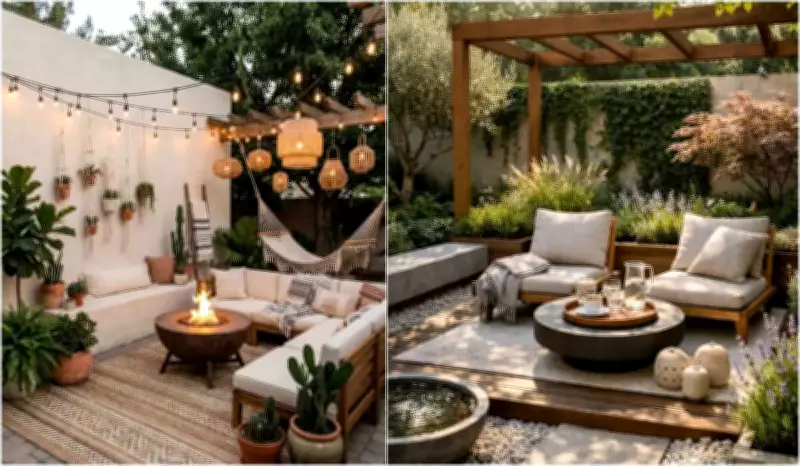
Outdoor Living Revolution: Backyards Transform into Climate-Responsive Second Living Rooms
Outdoor spaces have undergone a dramatic transformation, evolving from basic afterthoughts into fully designed extensions of the living room. What was once a simple patio or garden setup has now become a complete, multifunctional area dedicated to relaxation, entertainment, and unwinding. This shift reflects a broader trend where homeowners are reimagining their yards as integral parts of their daily lives.
The Rise of Outdoor Living as a Priority
According to the most recent Outdoor Living Trend Report, outdoor living has emerged as a clear priority for homeowners across the United States. Approximately 77% of US homeowners express a desire to spend more time outdoors, while nearly 60% have concrete plans to invest in upgrading their outdoor spaces. These areas are no longer sparse or utilitarian; they are now layered with plush seating arrangements, soft ambient lighting, and even fully equipped outdoor kitchens, effectively bringing the comfort and ease of indoor living into the open air.
What’s Driving the Shift Towards Outdoor 'Second Living Rooms'
Experts point to a fundamental redefinition of luxury as the core driver behind this movement. Modern luxury increasingly prioritizes wellness, privacy, and curated experiences over mere square footage. Outdoor areas offer unparalleled benefits such as uninterrupted natural light, fresh air, and a profound sense of openness that indoor spaces often lack.

"At the luxury level, this shift is fundamentally driven by wellness design principles. Access to nature is now considered essential for overall well-being, with biophilic design viewed as non-negotiable for supporting mental health and promoting longevity. Homeowners are no longer satisfied with just a garden; they seek fully designed, curated experiences that extend their lifestyle beyond the traditional dining table. For luxury buyers, it is about creating a seamless extension of how they live," explains Imran Khan, a concept designer at The Gold Leafing Studio, an acclaimed interior design firm.
Designing the Ultimate Outdoor Living Room
Seating forms the heart of this outdoor transformation. Designers are opting for deep, inviting furniture upholstered in advanced weather-resistant fabrics that mimic the softness and comfort of indoor pieces. "Furniture in outdoor settings is often thoughtfully layered with natural materials like cane or jute. This adds warmth, rich texture, and an easy, relaxed character to the space," notes Namrata Saigal, a prominent interior designer.
Structural elements play a crucial role in making these spaces functional year-round. Pergolas, retractable ceiling shades, and waterproof roller curtains are key components. "They soften the inherent openness of an outdoor area and introduce a sense of enclosure, almost like creating temporary ceilings and walls. This allows the space to open up or close down dynamically based on the weather or the homeowner's mood," Saigal adds.
Combating Heat with Smart, Natural Design
As global temperatures rise, luxury homeowners are proactively redesigning their outdoor spaces to remain cool, comfortable, and stylish. "Luxury homeowners are effectively countering heat by transforming outdoor areas into climate-responsive extensions of their living rooms. Materials like lime plasters offer natural cooling properties, while adaptive louvers intelligently manage sunlight exposure. Strategically layered greenery, pergolas, and integrated water features work together to create cooler microclimates. These are complemented by ambient lighting and low-heat design elements, ensuring these spaces remain comfortable and usable well into the evening hours," says Khan.

Key Elements for a Livable Outdoor Space
- Structure Sets the Tone: Pergolas, retractable shades, and weatherproof curtains create essential shelter, making the space usable through sun, rain, and changing seasons.
- Green Layering Adds Depth: Plants are thoughtfully arranged in layers to soften architectural edges, build natural privacy screens, and create an immersive, calming backdrop.
- Ambient Lighting Matters: Warm, diffused lighting solutions replace harsh glare, allowing the space to transition seamlessly from bright daytime use to intimate evening gatherings.
- Comfort Comes First: Plush seating, outdoor rugs, and soft furnishings bring indoor-like ease and coziness into the open-air environment.
- Smart Living Outdoors: Automated lighting systems, adjustable shades, and subtle, integrated sound systems enhance comfort and convenience without overwhelming the natural ambiance.
Increasingly, these sophisticated outdoor rooms include a defined dining area and a compact bar setup, effectively turning the backyard into a natural extension for everyday meals, slow weekend evenings, and casual entertaining with friends and family.
Namrata Saigal, an interior designer: "Outdoor spaces today are designed as climate-responsive living rooms, using materials like lime plaster, strategic greenery, and water features to naturally beat the heat."
Imran Khan, concept designer at The Gold Leafing Studio: "For luxury buyers, it is no longer 'the garden' but a fully designed extension of how they live."
