

Experts Warn: Certain Pink Paint Shades Can Decrease Home Value by Thousands
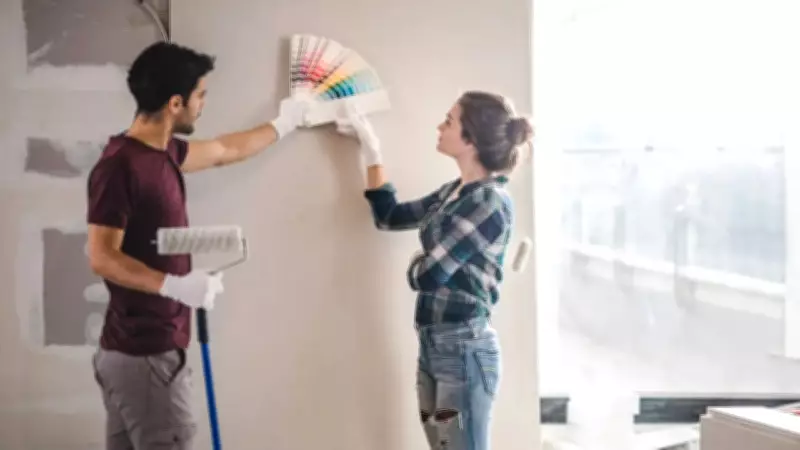
Selecting the perfect paint color for your home should be an exciting and creative process, but interior design professionals are issuing a serious warning. According to experts, choosing the wrong wall color, particularly certain shades of pink, could potentially knock thousands of dollars off your property's market value. The color you paint your walls significantly influences how spacious rooms appear, how inviting they feel, and whether potential buyers can envision themselves living in the space.
The Problematic Pink Palette
Jessie Brooks, Product Manager at Davincified, a premium platform specializing in custom paint-by-numbers kits, has identified specific pink shades that homeowners should avoid. In an exclusive interview with the Times of India, Brooks explained, "Certain shades might look appealing in the paint tin, but once they're applied to your walls, they can completely drain the life and energy from a room."
Brooks specifically cautioned against two categories of pink: muddy blush tones and outdated bubblegum pinks. These colors, while popular in recent years, are now showing their age and creating negative effects in living spaces.

Why Muddy Pink Shades Create Problems
Muddy blush tones—those greyish, muted pinks that gained popularity in contemporary interior design—present particular challenges. "These muddy pinks lack essential warmth," Brooks noted. "They don't reflect light effectively, which makes rooms feel significantly smaller and darker than they actually are. Over time, these colors simply begin to look dingy and unappealing."
A comprehensive 2026 study published in the Journal of Environmental Psychology supports this observation. The research found that "wall color significantly influences perceived room size, brightness, and overall desirability, with darker or muted tones consistently reducing perceived spatial openness." This scientific validation explains why muddy pink shades can negatively impact buyer impressions during property viewings.
The Bubblegum Pink Dilemma
Bubblegum pinks present a different but equally problematic scenario. While these bold, vibrant shades might seem fun and playful initially, they date remarkably quickly. What appears contemporary and energetic one year can look juvenile and outdated the next. Potential home buyers often struggle to see past these intensely colored walls, making it difficult for them to imagine the space with their own furnishings and decor.
"Trendy colors have an extremely short shelf life in interior design," Brooks emphasized. "When homeowners find themselves repainting every few years simply to keep up with changing trends, they're wasting both time and financial resources that could be better invested elsewhere."
Property Value Implications
The connection between wall color and property valuation has been substantiated by multiple studies. A 2026 survey published in Housing Studies revealed that "properties with highly personalized or non-neutral interior color schemes were more likely to receive lower valuation estimates due to anticipated renovation costs." Pink walls frequently trigger this valuation reduction, as prospective buyers mentally calculate the expense and effort required to repaint entire rooms.
Real estate professionals consistently report that certain wall colors actively discourage potential buyers. Pink frequently appears near the top of this list of problematic colors. When viewers enter a pink room, they immediately begin calculating redecoration expenses, which often translates directly into lower purchase offers.
"Most buyers want to move into a property without undertaking major renovation work," Brooks explained. "If they're confronted with the need to repaint entire rooms before they can comfortably settle in, they'll either walk away from the property entirely or reduce their offer price to account for the additional hassle and expense."
The Psychology of Color in Living Spaces
Color psychology extends far beyond marketing concepts and genuinely affects how people experience and feel within a space. While pink can provide calming effects in small doses or specific applications, certain shades create unexpected negative reactions when applied to large wall surfaces.

Muddy pink tones can make occupants feel sluggish or uninspired. These colors lack the energizing quality of brighter hues while simultaneously missing the calming neutrality of true neutral tones, creating an uncomfortable middle ground that fails to satisfy either preference.
A 2026 Frontiers in Psychology study provided scientific backing for these observations, revealing that "muted and low-saturation color palettes were associated with lower stimulation and reduced positive affect, while balanced warm neutrals produced the highest comfort ratings." This research validates why muddy pinks often feel dull or uninspiring, while warm neutral tones create more universally appealing environments.
"Your wall colors establish the fundamental mood for everything else in the room," Brooks stated. "If the base color feels off or inappropriate, nothing else in the space will look or feel quite right either."
Alternative Color Recommendations
For homeowners who love pink tones but want lasting appeal, Brooks recommends considering warmer terracotta shades or soft peachy colors that offer greater depth and complexity. "Terracotta has been utilized in residential spaces for centuries because it provides warmth, earthiness, and compatibility with almost any design style," Brooks explained. "Rather than competing with your furniture or artwork, it complements and enhances them."
For those preferring lighter options, soft creams with warm undertones create gentle, welcoming atmospheres without the risks associated with pink shades. These colors reflect light beautifully, make rooms appear more spacious, and work harmoniously with virtually any decorating approach.
Greiges—those sophisticated grey-beige hybrid colors—maintain their appeal over time because they function as genuinely neutral backgrounds. They don't impose specific moods or styles, ensuring they won't feel dated within a few years.
"The most effective wall colors are those you eventually stop noticing consciously," Brooks advised. "They should enhance the living space while allowing your furniture, artwork, and personal decorative touches to take center stage."
Creating Timeless Interior Spaces
Developing a home that feels contemporary without being overly trendy requires long-term thinking about color choices. Brooks recommends selecting wall colors that homeowners can comfortably live with for at least a decade, if not longer.
"Ask yourself whether this particular color will still feel appropriate and appealing when your furniture changes, when design trends inevitably shift, and when you've rotated different artwork," Brooks suggested. "If the answer is uncertain or negative, continue exploring other options."
White remains perennially popular for excellent reasons: it provides cleanliness, brightness, and remarkable adaptability. However, stark white can sometimes feel cold, so warmer whites with subtle cream or ivory undertones typically work better in residential settings.
Soft grey tones perform well in modern homes, though they require careful selection. Some grey shades can appear purple or blue depending on lighting conditions, making it essential to test paint samples in the actual space before committing to large-scale application.
Many homeowners chase temporary trends without considering long-term impacts on their property's value. Certain pink shades might feel fresh and contemporary initially, but they age poorly and can genuinely harm resale potential. Buyers typically want to visualize a blank canvas they can personalize, and overly specific colors like muddy blush or bubblegum pink make this visualization nearly impossible.
Jessie Brooks concluded with this final advice: "Timeless design shouldn't mean boring or uninspired spaces. Warm neutrals, soft creams, and earthy tones create inviting environments that work harmoniously with any style. They allow your personality to shine through furniture and artwork rather than fighting against bold, dominating walls. When selecting paint colors, consider whether you'll still love them in ten years and whether future buyers will appreciate them too."
