

Kitchen Hack: Use Plastic Wrap to Prevent Paint from Drying Out in Cans
We have all experienced that particular moment of frustration when you pry open the lid of a not-quite-full gallon of paint, only to discover a large, rubbery skin sitting on top of the liquid. After spending considerable time and effort hunting down that elusive shade of "eggshell" or "misty morning," the expensive paint has transformed into a useless lump that cannot be practically restored to its original, usable state.
Most people simply slam the tin lid back on in disappointment, but the reality is that common paint cans have a notorious habit of allowing small amounts of air to seep through over time. This seemingly minor flaw can lead to significant waste of valuable paint.
The Simple Solution: Plastic Wrap from Your Kitchen Drawer
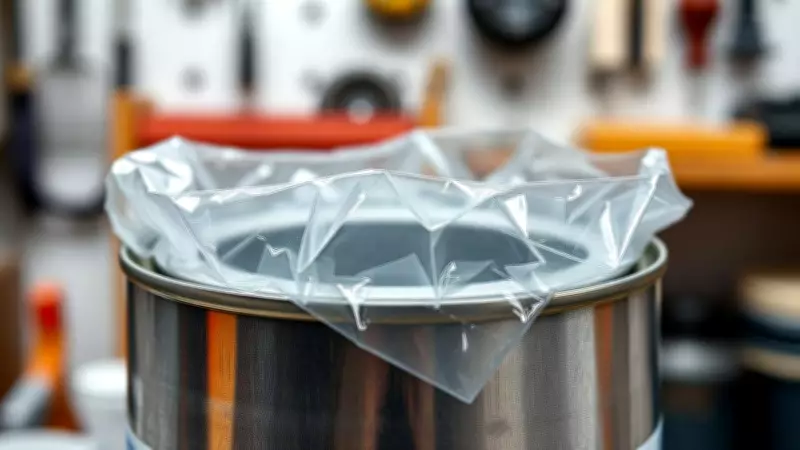
To prevent your leftover paint from being wasted, all you need is an item that likely lies right in your kitchen drawer alongside the aluminium foil: plastic wrap. The technique is straightforward: apply a thin layer of plastic wrap directly on top of the paint before sealing the lid. This creates an additional gasket that effectively blocks air exposure, ensuring your paint remains fresh and does not dry out easily.

The Chemistry Behind Paint "Skin" Formation
To understand why paint becomes useless when it forms a skin, it is essential to view it as a chemical process rather than simple drying. Paints are not designed to dry merely through contact with oxygen, as liquids like water do. Instead, paints undergo a molecular bonding process that solidifies them.
According to research published in Construction and Building Materials, key causes of material breakdown include loss of moisture and exposure to air. When a container is not tightly sealed, the liquid components evaporate, allowing oxygen to act on the paint and cause hardening. Placing plastic wrap on top halts this process by preventing air exposure, thereby stopping the formation of that rubbery skin. This simple method preserves both the paint's moisture content and its mechanical integrity for future applications.
Even the smallest airflow is sufficient to affect the mechanical characteristics of paint. The soft, malleable seal—akin to wrapping a sandwich in plastic foil—closes the microscopic gaps between the metal lid edge and the paint can body. This effectively locks the paint in a near-vacuum state, keeping all moisture and air securely out.
Maintaining Paint's Prime Mechanical Condition
The goal here extends beyond mere moisture retention; it is about preserving the paint's mechanical integrity. If paint begins to dry even slightly within the can, it loses its ability to form proper bonds when applied to walls or other surfaces.
A study on the shrinkage and mechanical properties of drying oil paints reveals that the drying process involves significant physical stresses. As liquid components evaporate, the remaining paint shrinks and pulls inward, leading to the formation of that tough surface skin. Stirring this skin back into the liquid paint introduces tiny solid particles, which can ruin the smooth texture of your next coat.
The study confirms that maintaining the moisture content of paint ensures its strength remains unaffected. By employing the plastic wrap technique, you create a micro-environment with a cushioning effect. The headspace above the paint stays moist, preventing any film from developing.
Practical Tips for Effective Sealing
To maximize the effectiveness of this technique, follow these steps:

- Clean the Rim: Use a damp cloth to thoroughly clean the rim of the paint can before sealing. If dried paint remains on the rim, the lid cannot achieve a complete seal, regardless of plastic wrap use.
- Cut the Wrap: Cut a piece of plastic wrap large enough to cover the rim by approximately two inches on all sides.
- Apply and Secure: Press the wrap down so it contacts the paint surface if possible, or stretch it tightly over the top. Then, place the lid on and tap it firmly with a rubber mallet to ensure a snug fit.
- Extra Protection (Optional): Some DIY enthusiasts store their wrapped cans upside down. This allows the paint itself to act as an additional liquid seal against the lid, though this should only be done if you are confident in your plastic wrap gasket's integrity.
With this straightforward, kitchen-based practice, you protect your valuable investment and ensure that every home improvement project looks flawless. It is an environmentally friendly method that enables you to use your favourite colours whenever inspiration strikes, reducing waste and saving money in the long run.
