

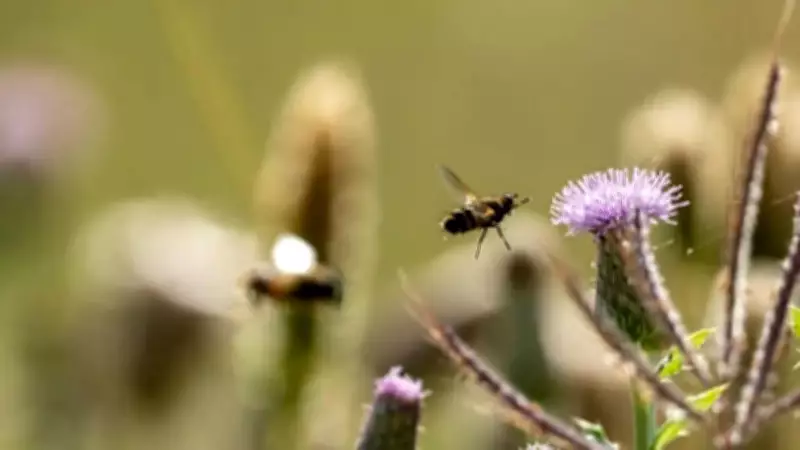
Balcony gardening in India is evolving from simple pots and flowers to a more purposeful concept: pollinator balconies. These spaces are designed exclusively to attract butterflies, bees, and other beneficial insects. By incorporating a variety of plants, herbs, and even miniature water sources, urban gardeners create habitats that support insect survival amid urbanisation. Beyond enhancing biodiversity, pollinator balconies bring liveliness and natural beauty to compact apartments. Here is why this trend is rapidly gaining momentum among Indian city dwellers.
Butterfly Pea: A Climber Loved by Butterflies
Butterfly pea is an excellent choice for Indian balconies. It grows quickly, requires minimal space, and provides attractive coverage for railings and grills. This plant not only draws butterflies but also produces edible flowers used in herbal teas. Butterfly peas thrive in pots and are ideal climbing plants for vertical gardening.
Marigold: Bright Blooms That Attract Pollinators
Marigolds are a top pick for pollinator balcony gardens due to their easy growth and vibrant yellow and orange blossoms. These flowers are rich in nectar, attracting butterflies, bees, and other pollinators. Marigolds tolerate Indian climate conditions well and offer long blooming periods, making them popular among apartment gardeners.

Lavender: Fragrant Flowers That Lure Bees
Lavender has gained popularity for its calming scent and pollinator-friendly flowers, which are nectar-rich and attract bees. It prefers sunny spots and well-drained soil, needing moderate watering. Beyond its ecological benefits, lavender adds elegance to balconies with its purple blooms.
Tulsi: Sacred Indian Herb for Boosting Biodiversity
Tulsi is valued for its health benefits and its ability to attract butterflies and bees when flowering. It withstands harsh Indian climates, making it a staple in pollinator gardens. Its nectar-rich flowers draw beneficial insects, while its dense foliage provides greenery to balconies.
Small Pools and No Chemicals: Key Practices
In addition to selecting specific plants, many gardeners include small artificial pools where butterflies and bees can drink safely. Experts advise against excessive chemical pesticides, which can harm visiting insects. Instead, organic fertilisers, compost, and companion planting are encouraged to maintain a healthy ecosystem.
Pollinator Balconies Create Mini Natural Ecosystems
The popularity of this trend stems from its ability to transform apartment balconies into lively green spaces. Visits from butterflies and birds foster a connection to nature, even in urban settings. Urban gardeners report that pollinator balconies help restore ecological balance at home, making them a rewarding addition to modern living.
Disclaimer: This article is for general informational and gardening awareness purposes only. The presence of butterflies, bees, and other pollinators may vary depending on local climate, season, plant selection, pesticide use, and surrounding environmental conditions. While pollinator-friendly gardening can support urban biodiversity, readers are advised to use safe and region-appropriate plants suitable for their area. For gardening guidance, pest management, or balcony safety concerns, consult local horticulture experts, nurseries, or environmental authorities.

