

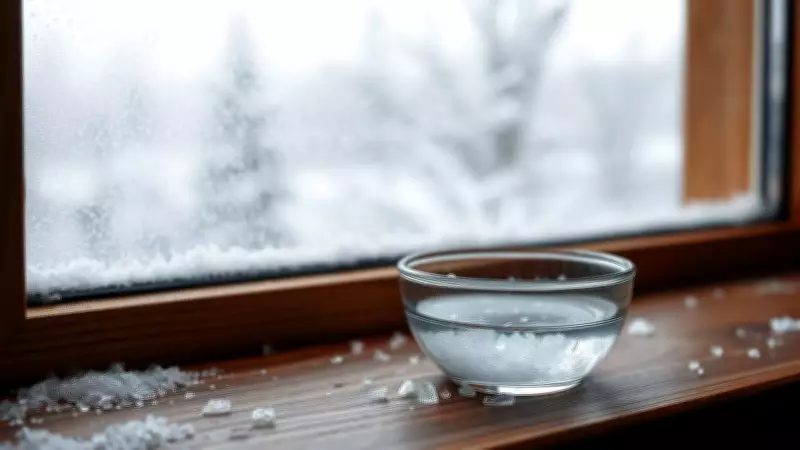
Combat Winter Window Condensation with a Simple Salt Water Hack
On chilly winter mornings, a common nuisance many homeowners face is the thick layer of mist that forms on the inside of windows. This persistent issue often leads to damp curtains, wet window frames, and the unwelcome threat of mould growth. While it's tempting to blame poor insulation or faulty double glazing, the root cause is typically excess indoor humidity. Surprisingly, a solution might be hiding in your kitchen pantry.
The Salt Water Dehumidifier: An Efficient DIY Fix
An easy-to-make do-it-yourself dehumidifier has gained popularity for its effectiveness, requiring just a small bowl of salt water. Salt, known for enhancing flavors in cooking, possesses natural hygroscopic properties that allow it to absorb moisture from the air. By placing a bowl on your windowsill, you create a dry zone that prevents fog from forming, eliminating the need for daily morning clean-ups.
How Salt Absorbs Humidity: The Science Explained
Salt acts as a hygroscopic material, meaning it draws moisture from the air. When humid air contacts a cold surface like a window, the temperature drop lowers the dew point, causing condensation. In this setup, moisture evaporating near the window pane is captured by the salt water solution.

A study titled Hygrothermal Performance of Salt (NaCl) for Internal Surface Applications explored salt's use on building interiors for humidity management. Researchers found that salt effectively regulates moisture in its immediate environment by functioning as a moisture absorber. This natural process prevents fog buildup and safeguards indoor plants or workspaces from fungi and rust. For optimal results, refresh the solution weekly to maintain clear windows throughout the season.
Why This Method Works Better Than Insulation Alone
In domestic settings, this DIY approach mimics large-scale industrial dehumidification. Salt traps water molecules from the air, keeping the area dry. As noted in a journal on materials, even high-end window designs can suffer from surface condensation if indoor humidity levels are too high. While insulation retains heat, it cannot remove water vapor generated by activities like breathing, cooking, or plant transpiration. Instead of heating the glass, the salt bowl targets the actual source: excess water in the air.
Protecting Indoor Gardens and Workspaces
Rooms with plants or workshops are prone to higher humidity due to continuous transpiration, which can lead to issues like fungi or rust during winter. Using a salt solution offers a safe, chemical-free way to protect these spaces. It is non-toxic and biodegradable, making it ideal for eco-friendly homes. This low-tech buffer stabilizes the environment by absorbing excess moisture.
To set it up, dissolve a generous amount of common table salt in warm water until saturation is reached, then place the bowl on the sill where fogging is most severe. Remember, this is not a set-and-forget solution; the salt will become saturated over time, so refresh the bowl weekly, especially during cold spells.
Enhancing Effectiveness with Airflow Strategies
For best results, combine this salt method with smart airflow practices. Opening windows for about ten minutes daily helps circulate air and reduce humidity. This simple adjustment demonstrates that costly renovations aren't always necessary to solve everyday winter problems, keeping your windows bright and clear all season long.

