A quiet revolution is reshaping the interiors of modern Indian homes. The focus is shifting from mere aesthetics to creating deeply personal, experiential, and expressive spaces. At the heart of this transformation is a courageous move: elevating sculptures from decorative afterthoughts to fundamental design elements. This dramatic shift is sparking widespread fascination, as it signals a return to the core principles of sculptural art, integrating it into the very fabric of daily living.
From Sacred to Spatial: The New Language of Sculpture
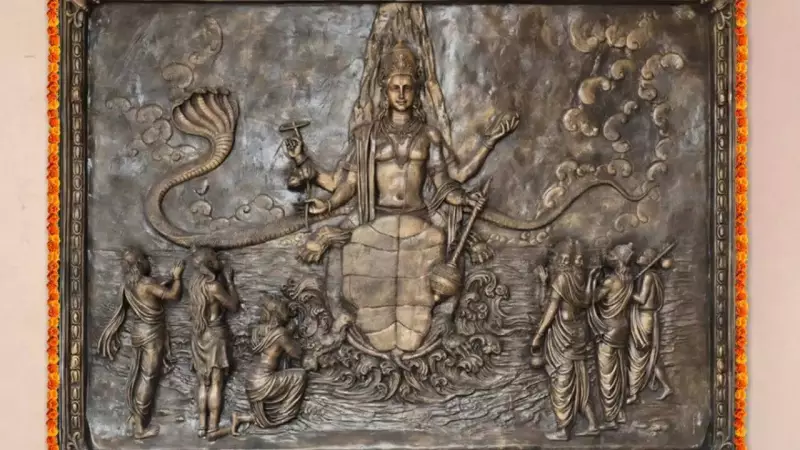
Internationally acclaimed Indian sculptor Murtikar Naresh Kumar Kumawat, renowned for his iconic Samudra Manthan mural in the new Parliament building, believes this trend is permanent. He notes that while traditional Indian sculpture predominantly depicted divinity, animals, and exquisite stone carvings—traditions still revered today—the palette has dramatically expanded. Contemporary Indian artists are now boldly exploring abstraction, kinetic art, and unconventional materials like industrial steel, polished resin, and ceramic alloys.
This evolution means sculptures are no longer confined to museums or gardens. They are now being thoughtfully woven into residential architecture, enhancing atmosphere and actively guiding movement within a house. For instance, a large, abstract metal sculpture in a minimalist foyer doesn't just occupy space; it creates a dynamic visual dialogue with the architecture itself. Its texture and energy can transform a quiet room into a vibrant one, acting as a central artwork that defines the environment.

Sculptures as Architectural Tools
Sculptures possess a unique three-dimensional power that two-dimensional art cannot match. They invite viewers to move around them, changing perspective and thus influencing the flow within a room. Designers are leveraging this characteristic as a strategic tool.
Designers now use sculptures to choreograph how people navigate a space. A sequenced row of wall-mounted pieces can lead the eye, while a gently suspended work can create rhythm. A strategically placed, tall vertical sculpture in an open-plan area can function as a sophisticated, soft partition—separating a living zone from a dining area without the need for a physical wall. This architectural utility is highly valued by homeowners seeking fluid yet defined living environments.
Art as Identity and an Ecosystem Booster
There is a growing desire among homeowners to make their living spaces an authentic reflection of their identity, artistic taste, and personal philosophy. This has led to a surge in demand for sculptures that resemble small-scale architectural installations. In the best modern designs, the sculpture is often selected before the furniture. This pivotal piece then informs the room's color palette, material textures, and lighting plan, with furnishings chosen to complement, not compete with, the artistic core.
Furthermore, sculptures are being used to blur the lines between interior and exterior. A substantial stone or bronze piece placed at a key transition point can powerfully ground the space, connecting sleek indoor aesthetics with the natural, evolving elements of a garden, fostering a timeless and intentional relationship with nature.
Kumawat highlights that this trend is empowering the Indian contemporary art ecosystem. Homeowners are actively commissioning work, collaborating directly with both emerging and established Indian sculptors on site-specific pieces. This practice ensures aesthetic perfection and fosters a personal connection to local craftsmanship. The use of materials like reclaimed wood, repurposed textiles, or recycled industrial waste also resonates with the growing environmental consciousness among Indian consumers, adding layers of meaning to the artwork.
Ultimately, sculptures are shedding their role as mere accent pieces. They are emerging as the protagonists and structural pillars of modern Indian homes, converting ordinary living areas into elegant, complex, and deeply personal galleries of art. This movement mirrors a cultural moment that is both optimistic about self-expression and discerning in its pursuit of meaningful beauty.