

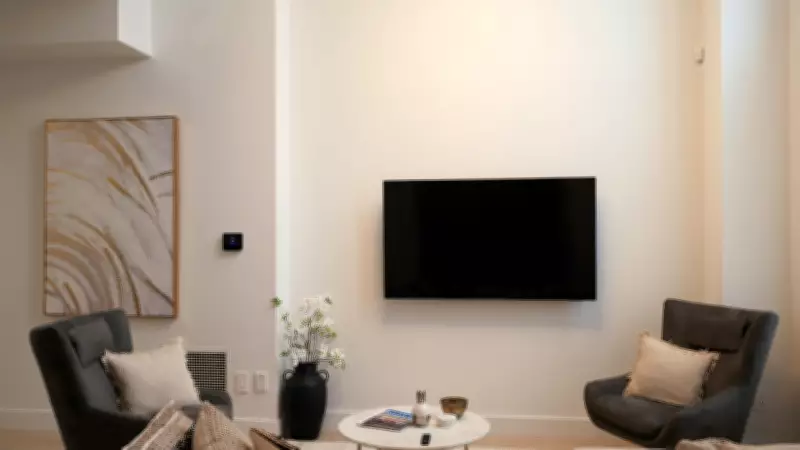
Struggling with a small home? These smart design tricks can make your 200 sq ft space feel twice as big. A 200 sq ft home can feel tight on paper, but space is often more about perception than numbers. The way light moves, how furniture is placed, and what the eye sees first all shape how large or small a room feels. Urban housing experts have pointed out that efficient design and smart layout choices can significantly improve livability in compact homes, even when square footage is limited.
The goal is not to 'add space' but to remove visual and physical clutter. Done right, a small apartment can feel calm, open, and surprisingly generous.
Let the eye travel without interruption
Most small homes feel cramped because the eye hits too many stops. Sharp contrasts, bulky partitions, and crowded layouts break the visual flow. Try this instead: keep sightlines open. Use low furniture, avoid tall dividers, and align key pieces along walls. Even leaving one wall mostly empty can create a sense of depth. Architects say that a room feels larger when the eye can move freely across it. Glass partitions or sheer curtains work better than solid walls if separation is needed. They define zones without closing them off.

Light is not decoration, it is structure
A well-lit room always feels bigger than a dim one. Natural light works best, so avoid blocking windows with heavy curtains or furniture. Use mirrors thoughtfully. A mirror placed opposite a window reflects light and extends the view, making the room appear almost double its size. This is not a trick; it is a principle used in both traditional Indian homes and modern design. For evenings, layer lighting. A mix of ceiling lights, wall lamps, and floor lamps creates depth. A single harsh light flattens the room, while layered lighting adds dimension.
Furniture should earn its place
In a 200 sq ft home, every piece of furniture must serve more than one purpose. A bed with storage, a foldable dining table, or a sofa-cum-bed can change how the space works through the day. But scale matters more than quantity. Oversized furniture makes even an empty room feel cramped. Slim, raised-leg furniture creates visible floor space, which makes the room feel lighter.
Use vertical space like a pro
When floor space is limited, the walls become valuable real estate. But filling them randomly can backfire. Think in layers. Install open shelves higher up for storage that is used less often. Keep everyday items at eye level. This keeps the lower half of the room visually lighter. Tall shelves that go up to the ceiling can actually make the room feel taller, not smaller. The trick is to keep them neat and not overcrowded. A cluttered wall shrinks space faster than a cluttered floor.
Colour can stretch a room
Light colours reflect more light and make a room feel open. Shades like off-white, soft beige, pale grey, or muted pastels work well in compact homes. But this does not mean everything has to be plain. A single accent wall or a textured surface can add character without overwhelming the space. The key is consistency. Too many colours break the visual flow, making the room feel smaller. A limited palette creates calm and continuity.
Decluttering is not minimalism, it is strategy
A small home does not need to look empty. It needs to look organised. Keep surfaces clear. Store items out of sight where possible. Use baskets, under-bed storage, and hidden compartments. The less visible clutter there is, the larger the room feels. But keep a few personal elements. A plant, a framed photo, or a small artwork adds warmth. A completely bare space can feel cold and uninviting. There is a simple test: if an item does not add function or joy, it is taking up space.
Space is designed, not given
A 200 sq ft home can feel restrictive or refreshing. The difference lies in choices. Light, layout, and restraint matter more than size. Small homes demand more thought, but they also reward it. With the right approach, even the tiniest apartment can feel like a place to breathe.
Disclaimer: This article is for general informational purposes only. Design outcomes may vary based on layout, structure, and personal needs. For structural changes or major renovations, consulting a certified architect or interior professional is recommended.

